Leave Your Message

Top 10 Benefits of Spunbond Non Woven Machines for Buyers

In the evolving world of manufacturing, the importance of Spunbond Non Woven Machines cannot be overstated. Dr. Emily Chen, a leading expert in non-woven technology, emphasizes, "Investing in a Spunbond Non Woven Machine can elevate production efficiency and quality." This statement encapsulates the transformative potential of these machines in various sectors, particularly in textiles and packaging.

Manufacturers are increasingly attracted to the versatile applications of Spunbond Non Woven Machines. They offer a robust solution for producing lightweight, durable materials. The benefits extend beyond mere production; they contribute to sustainability by reducing waste and improving material efficiency. However, some buyers often overlook the maintenance aspect, which can impact long-term productivity.

As industries strive for innovation, understanding the benefits of Spunbond Non Woven Machines becomes essential. Each machine presents unique advantages, but without proper knowledge and foresight, buyers may face challenges. It is crucial to approach purchasing decisions with careful consideration to maximize returns and ensure reliability in production processes.
Top 10 Benefits of Spunbond Non Woven Machines for Buyers

Benefits of High Production Efficiency in Spunbond Non Woven Machines

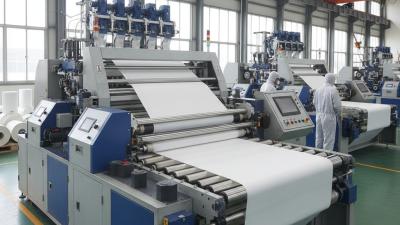
Spunbond non-woven machines are known for their remarkable production efficiency. These machines streamline the manufacturing process, allowing for quicker output. High-speed production lines minimize downtime and maximize throughput. This efficiency translates directly into higher profit margins for manufacturers.

In addition to speed, spunbond technology ensures precision in fabric creation. The machines can produce consistent quality, meeting diverse needs. Buyers appreciate the reduced waste and resource usage. However, operating these machines requires skilled labor to maintain efficiency. It’s crucial to invest in training to prevent errors during production.

Reliability is another key advantage. High production efficiency needs machines to perform consistently over time. While it’s tempting to focus solely on speed, reliability must be prioritized. Regular maintenance checks can prevent costly setbacks. Balancing speed with consistent quality may require ongoing adjustments. Over time, this balanced approach leads to sustainable growth in the industry.
Top 10 Benefits of Spunbond Non Woven Machines

Cost-Effectiveness of Spunbond Machines in Material Production

Spunbond non woven machines have become crucial in material production. These machines offer cost-effectiveness, greatly impacting manufacturers' decisions. According to a recent industry report, spunbond technology reduces production costs by 25% compared to traditional methods. This significant reduction allows manufacturers to allocate resources more efficiently.

The versatility of spunbond machines adds to their value. They can produce a variety of materials for different industries. For instance, medical, agriculture, and packaging sectors benefit immensely. The report indicates that demand for spunbond materials is expected to grow by 15% annually, driven by increasing applications. However, the initial investment in machines can be daunting for small businesses.

Many buyers also face challenges in choosing the right machine. They often require guidance to understand machine specifications and maintenance needs. A miscalculation in machine selection can lead to increased operational costs. Therefore, thorough research and expert consultations become essential to harness the full potential of spunbond technology effectively.

Versatility of Spunbond Non Woven Fabric Applications for Diverse Industries

Spunbond non-woven fabric offers remarkable versatility across various industries. From medical applications to automotive and agriculture, its uses are countless. This fabric is lightweight yet durable, making it ideal for disposable items like masks and gowns. In the automotive sector, it serves as insulation and soundproofing material, enhancing the user experience significantly.

In agriculture, spunbond non-woven fabric protects crops from harsh weather. It acts as a barrier while allowing air and moisture to penetrate. Buyers appreciate how easily this fabric adapts to different needs, promoting sustainability. However, it’s crucial to acknowledge that not all spunbond fabrics are created equal. Some may underperform or lack the required strength.

When considering spunbond non-woven machines, buyers should prioritize quality and reliability. Do thorough research before making a purchase. Check for certifications and seek recommendations from experienced users. Always verify the performance metrics of fabric produced. Finding a balance between cost and quality ensures better long-term results. Remember, the right choice can influence the efficiency of production and the success of your applications.

Top 10 Benefits of Spunbond Non Woven Machines for Buyers

Benefit Description Applicable Industries Potential Applications
High Efficiency Spunbond machines produce non-woven fabric quickly, improving production rates. Textiles, Medical Surgical gowns, wipes
Cost-Effective Lower material waste and reduced labor costs lead to higher profitability. Packaging, Disposable Products Shopping bags, filters
Eco-Friendly Made from recyclable materials, reducing environmental impact. Home Goods, Fashion Reusable shopping bags, eco-friendly products
Customizable Fabric properties such as weight and thickness can be tailored to meet specific needs. Automotive, Construction Insulation materials, protective covers
Versatile Applications Can be used in various sectors from healthcare to agriculture. Agriculture, Hygiene Plant covers, hygiene products
Durability Non-woven fabrics manufactured are strong and long-lasting. Construction, Automotive Car interiors, building wraps
Lightweight Spunbond fabrics are lightweight, making them easy to handle and transport. Apparel, Medical Lightweight clothing, medical masks
Breathability Allows air to pass through, which is essential for many applications. Packaging, Apparel Food packaging, sportswear
Chemical Resistance Resistant to various chemicals, making them suitable for industrial applications. Industrial, Healthcare Protective garments, filters
High Production Versatility Adaptable for different production needs with easy machine adjustments. Various Industries Home textiles, industrial products

Environmental Sustainability Advantages of Using Spunbond Technology

Spunbond non woven machines offer key environmental sustainability advantages that resonate strongly with today's buyers. According to the European Bioplastics Association, approximately 1.6 million tons of non-woven products are made from recyclable materials each year. This figure reflects a growing trend towards sustainable manufacturing processes. Spunbond technology uses less energy compared to traditional methods, promoting lower carbon emissions throughout production.

The lifecycle of spunbond products demonstrates notable environmental benefits. These materials can be produced without harmful solvents, reducing the risk of toxic emissions. A report by the Global Nonwovens Association indicates that 75% of spunbond products can be recycled or repurposed. However, some challenges persist, as recycling rates can vary significantly between regions.

Despite these advantages, some buyers still view spunbond technology skeptically. Concerns regarding biodegradability persist, especially in areas with limited waste management resources. Addressing these gaps requires continuous innovation and investment in recycling infrastructure. By enhancing awareness and encouraging sustainable practices, the spunbond industry can further align itself with global sustainability goals. Decisions made today will shape our environmental future tomorrow.

Enhanced Product Quality and Consistency with Advanced Spunbond Processes

The adoption of advanced spunbond technology significantly enhances product quality and consistency. Spunbond non-woven machines produce fabrics with uniform characteristics, ensuring reliable performance across various applications. According to industry reports, these machines can achieve a production rate up to 800 kg per hour. This efficiency allows manufacturers to meet high demand while maintaining quality standards.

Investing in spunbond technology also offers long-term benefits. Consistency in fabric density and strength reduces waste, contributing to more sustainable production processes. Data indicates that businesses can reduce material costs by 10% when switching to these machines. This cost-effectiveness, combined with superior output quality, makes spunbond machines an essential investment for manufacturers looking for a competitive edge.

Tip: Regular maintenance of spunbond machines can prevent quality issues. A well-maintained machine ensures that production runs smoothly and consistently. Small adjustments can have a major impact on the final product. In addition, consider involving your team in the maintenance process. Their insights can lead to better optimization strategies.