China Top Spunmelt Nonwoven Machine Features and Benefits?
The Spunmelt Nonwoven Machine has become a key player in the textile industry. It offers innovative solutions for producing nonwoven fabrics. This machine utilizes advanced technology to blend fibers seamlessly, ensuring high quality and durability.
In recent years, the demand for nonwoven materials has skyrocketed. Industries, from medical to automotive, require them for various applications. The efficiency of the Spunmelt Nonwoven Machine meets this growing need. However, companies must also consider the environmental impact of their production processes.
While the benefits are significant, challenges remain. The initial investment for high-quality machines can be substantial. Moreover, operators need specialized training to use these machines effectively. These factors highlight the importance of not just purchasing, but also understanding how to maximize the potential of a Spunmelt Nonwoven Machine. Balancing cost and efficiency is crucial for long-term success.
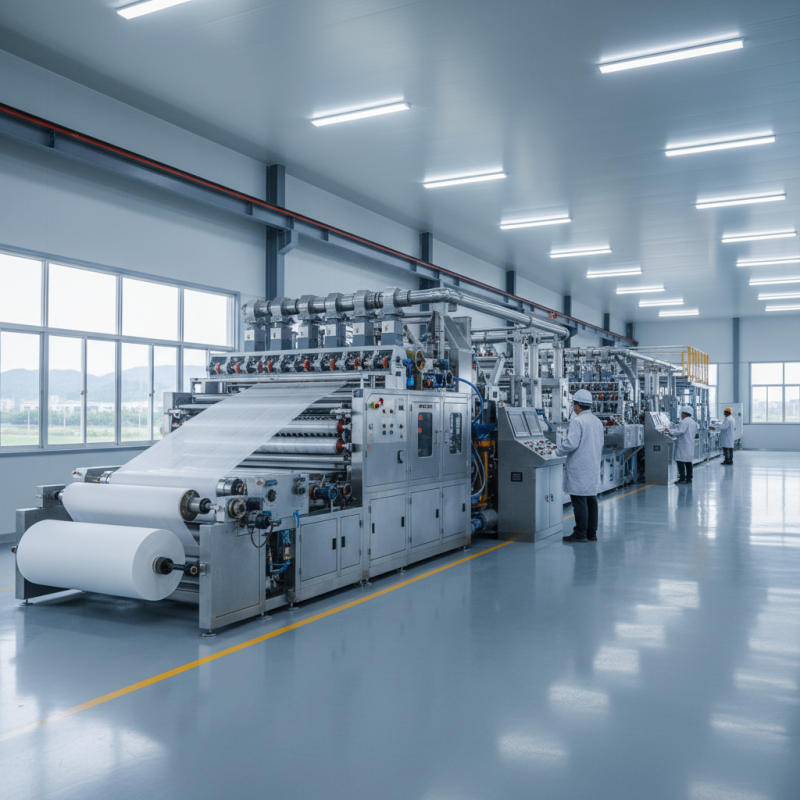
Key Features of China’s Top Spunmelt Nonwoven Machines
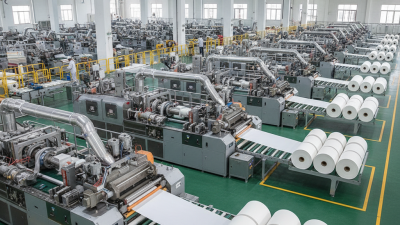
China's top spunmelt nonwoven machines stand out due to their advanced technology and design features. These machines utilize a unique process that combines polymers and fibers. This results in nonwoven fabrics with impressive strength and softness. The ability to produce various fabric weights adds to their versatility. Different applications can benefit from these tailored fabrics.
One key feature is the energy efficiency of these machines. They are designed to reduce energy consumption while maintaining high production rates. The integration of automation enhances precision and minimizes human error. This can lead to higher productivity and reduced costs. However, the complexity of the machinery can require skilled operators for optimal performance.
Another notable aspect is the quality of the final products. Nonwoven fabrics produced are often hypoallergenic and durable. This makes them ideal for a variety of markets, including hygiene and medical sectors. The reliance on quality raw materials is essential. Yet, sourcing these can sometimes create challenges. Areas for improvement include enhancing user interfaces for easier operation. Addressing these could lead to an even more efficient manufacturing process.
Advantages of Using Spunmelt Nonwoven Technology in Manufacturing
Spunmelt nonwoven technology is revolutionizing the manufacturing landscape. This technique combines spunbond and meltblown processes, producing fabrics that are lightweight yet strong. A recent market report suggests that the global nonwoven fabric market is expected to grow to $42 billion by 2026, driven by the increasing demand for hygiene products and medical applications.
One of the key advantages of spunmelt nonwoven technology is its versatility. It allows manufacturers to create fabrics with varying properties. For instance, the ability to adjust fiber density can lead to materials that are both soft and durable. This adaptability is crucial in sectors like healthcare and automotive, where specific fabric features are required.
Tips: Consider how your production needs align with spunmelt’s capabilities. Experimenting with different fiber compositions can yield unique fabric attributes. Additionally, always stay updated on market trends that influence material specifications.
Another benefit is sustainability. Spunmelt processes can incorporate recycled materials, helping reduce waste in manufacturing. However, there are challenges to navigate. Implementing this technology may require initial investments in equipment and training. Additionally, ensuring consistent quality can be complex, given the variability of raw materials. Manufacturers need to balance these factors while maximizing the benefits of spunmelt nonwoven fabrics.
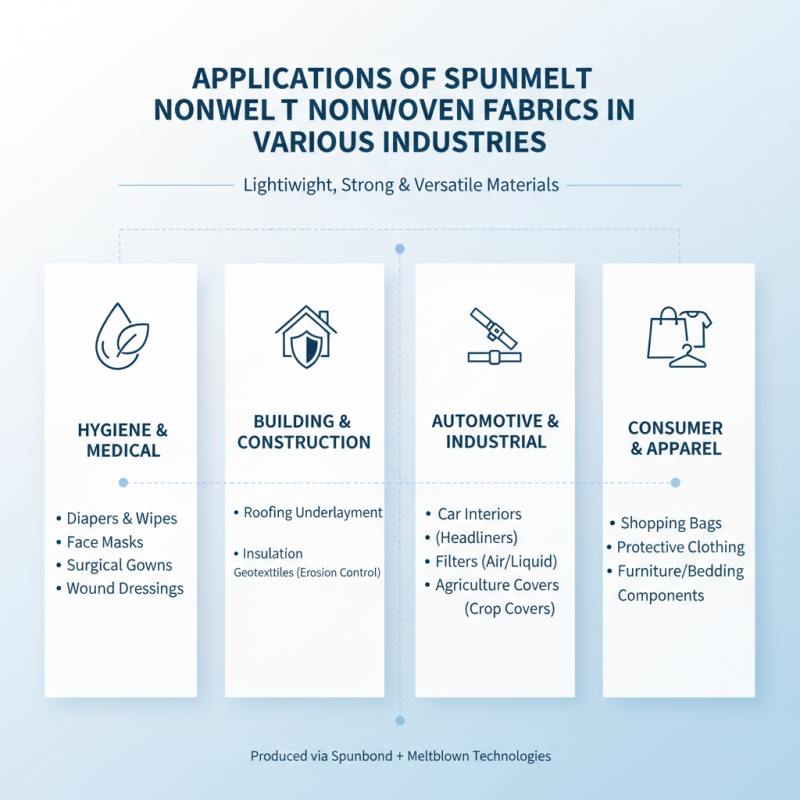
Applications of Spunmelt Nonwoven Fabrics in Various Industries
Spunmelt nonwoven fabrics are increasingly popular across various industries. They are produced through a unique process that combines melt-blown and spunbond technologies. This results in lightweight, strong, and versatile materials. Their application range is broad, from hygiene products to industrial uses.
In the medical sector, spunmelt fabrics are used in surgical masks and gowns. They offer protection while maintaining comfort. In the automotive industry, these fabrics help with insulation and sound absorption. The durability and customization of spunmelt products make them ideal for upholstery and interior applications.
While these fabrics have many benefits, challenges remain. The recycling process for spunmelt nonwovens is still underdeveloped. Innovations are needed to address environmental concerns. The industry must also work on balancing cost and sustainability. As demand grows, so must the focus on responsible manufacturing practices.
Comparison of China’s Spunmelt Machines to Global Competitors
When comparing China’s spunmelt machines to global competitors, several key differences emerge. Chinese spunmelt machines offer advanced technology and improved efficiency. These machines are designed with energy-saving features. This aspect is critical for manufacturers focused on sustainability. However, the initial cost can be higher than competitors from other regions.
In terms of production capacity, Chinese manufacturers have made significant progress. Many of these machines can produce a wider range of fabric types. This versatility is attractive to various industries, such as hygiene and medical. That said, some users find that after-sales support may not always meet expectations.
Global competitors often offer better customer service and support networks. Additionally, these companies may have a longer history in the market. This experience can lead to greater reliability in some cases. While China’s spunmelt machines are innovative, challenges remain in terms of quality control and consistent output. Manufacturers must weigh these factors carefully when making purchasing decisions.
Comparison of China’s Spunmelt Machines to Global Competitors
Future Trends in Spunmelt Nonwoven Technology in China
The future of spunmelt nonwoven technology in China looks promising with several noteworthy trends. One significant development is the push towards sustainable materials. Manufacturers are increasingly adopting biodegradable and recyclable raw materials to meet environmental standards. This shift not only helps reduce waste but also addresses consumer demands for greener products.
Another trend is the enhancement of production efficiency. Recent advancements in automation and machine intelligence have improved output quality while minimizing energy consumption. Companies are investing in smart technology that allows for real-time monitoring and optimization. This ensures high standards of production consistency and reduces downtime.
Tips: Consider exploring machines with energy-efficient designs. They can lower operating costs and align with sustainability goals.
Collaboration among industry players is also becoming more prevalent. Knowledge sharing can foster innovation and lead to the development of cutting-edge technologies. However, this openness may encounter challenges; stakeholders must navigate intellectual property concerns and competition issues thoughtfully.
Tips: Engage with local research institutions. This can provide additional insights and strengthen technology development.