How to Choose the Right Tnt Nonwoven Fabric for Your Projects?
Choosing the right Tnt Nonwoven Fabric for your projects is crucial in achieving desired results. This material is known for its versatility and durability. According to a recent report by Grand View Research, the global nonwoven fabric market is expected to reach $54.2 billion by 2027, highlighting its growing importance across various industries.
When selecting Tnt Nonwoven Fabric, consider factors like composition and application. For instance, the fabric's weight and thickness can impact its strength and suitability for specific projects. An industry report from Smithers confirms that polypropylene remains the most popular choice, accounting for 40% of the market share. This data emphasizes the significance of understanding different fabric types before making a decision.
It is essential to reflect on your project's unique requirements. Not all nonwoven fabrics are created equal, and some may not perform as expected. Take time to review specifications and consult expertise in the field. As the industry evolves, staying informed will help you navigate options effectively and select the best Tnt Nonwoven Fabric for your needs.
Understanding Tnt Nonwoven Fabric and Its Key Features
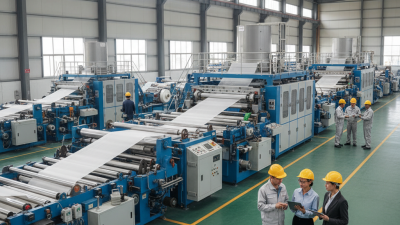
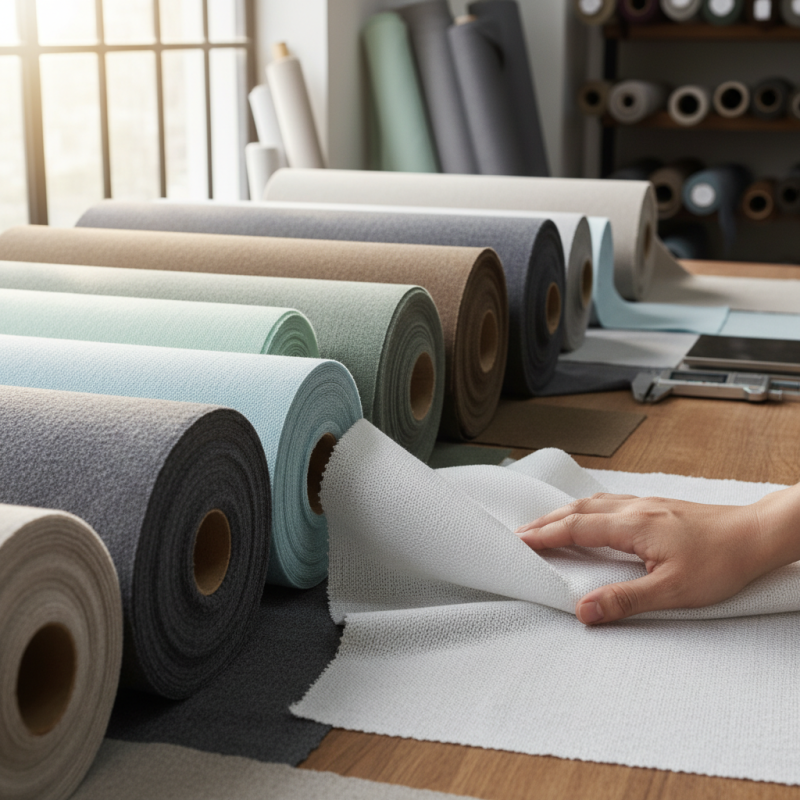
Tnt nonwoven fabric is versatile and widely used in various projects. Understanding its key features is essential for optimal results. This fabric is durable yet lightweight, making it suitable for both indoor and outdoor applications. Its breathability allows for air circulation, which can be crucial in certain settings, such as gardening or packaging.
When choosing Tnt nonwoven fabric, consider the thickness. Thicker material often provides more strength but can be less flexible. Thinner options are more adaptable but may wear out faster. Pay attention to the fabric's texture as well. A smoother finish can be better for projects requiring precise cuts or prints.
Tips: Always test a small section before full use. This can prevent larger issues later. It’s important to assess how the fabric performs in the specific environment it will be used. Different conditions may affect durability differently. Don't hesitate to consult with professionals or experienced users to gain insights into the best choices for your specific needs.
Identifying Your Project Requirements for Nonwoven Fabric Selection
When selecting nonwoven fabric for your project, identifying your requirements is crucial. Consider the fabric's intended use. Will it be for medical applications, filtration, or perhaps automotive interiors? Each application has unique demands. For example, medical uses often require high fluid resistance and sterilization properties. Meanwhile, automotive fabrics may prioritize durability and strength.
Next, think about the fabric's composition. Different materials can yield different outcomes. Polypropylene, for instance, is lightweight and resistant to moisture. In contrast, polyester offers excellent strength and abrasion resistance. Evaluate the weight and thickness of the fabric as well. Lighter fabrics are ideal for disposable items, while heavier variants may serve well in products requiring longevity.
It’s essential to reflect on your project's budget and timeline. High-quality nonwoven fabrics may come at a premium. Are you balancing quality with cost? Supplier reliability can also impact your decision. You want to ensure the fabric meets all required standards. Scrutinizing available certifications can help here. Familiarize yourself with the nuances of these materials to make the best choice for your specific project.
Comparing Different Types of Tnt Nonwoven Fabrics Available
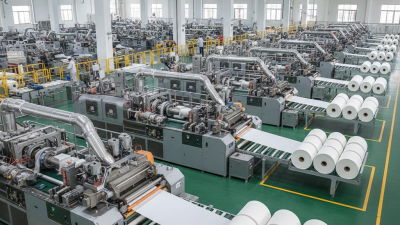
When selecting Tnt nonwoven fabric for your projects, understanding the various types available is crucial. Tnt, or “thermal nonwoven textile,” comes in different grades and characteristics, catering to diverse applications. Some types have a soft touch, ideal for clothing, while others are more durable, suitable for industrial uses. Each option has unique properties, from thickness to breathability, impacting your final product's quality.
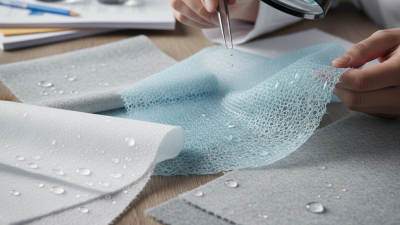
Tips: Always consider the intended use of the fabric. For instance, if your project requires moisture resistance, look for Tnt fabrics with hydrophobic properties. If breathability is key, opt for lighter-weight options. Experimenting with different types can help illuminate which fabric is best for your needs.
Keep in mind that not all Tnt fabrics are created equal. Some may fray or break down under stress, limiting their usability. It’s essential to test samples before bulk purchasing. This ensures you understand how the material reacts to different conditions. Minor mistakes in fabric choice can lead to disappointing results, so take the time to assess your options carefully.
How to Choose the Right Tnt Nonwoven Fabric for Your Projects? - Comparing Different Types of Tnt Nonwoven Fabrics Available
| Type of Tnt Nonwoven Fabric |
Primary Use |
Weight (g/m²) |
Breathability |
Cost per Meter |
| Spunbond |
Medical and hygiene products |
30-120 |
High |
$1.20 |
| Needlepunched |
Upholstery and carpet backing |
150-400 |
Medium |
$1.50 |
| Heat-bonded |
Geotextiles and insulation |
100-200 |
Low |
$1.00 |
| Meltblown |
Filtration and oil absorption |
20-60 |
Very High |
$2.00 |
| Composite |
Specialty applications |
80-300 |
Varied |
$1.80 |
Evaluating Fabric Quality and Performance Characteristics
When selecting Tnt nonwoven fabric, evaluating fabric quality is essential. Look for thickness and density, which directly influence durability. A thicker fabric can handle heavier loads, while a denser weave often provides better support. Test the fabric’s resistance to wear, as this will determine how well it holds up over time.
Performance characteristics also play a crucial role. Consider water resistance and breathability, especially for projects exposed to various elements. These factors can significantly impact the fabric's suitability for outdoor applications. It’s important to check for any treatment or coating that enhances these features.
Sometimes, colors and patterns can be misleading. A vibrant look does not always guarantee quality. Always ask for samples to assess texture and flexibility. Reflect on your project’s demands. Not every fabric will meet every need. Keep in mind that opting for a lower grade may lead to disappointment later. Evaluate your choices carefully.