2026 Top Trends in Nonwoven Pet Pads for Your Furry Friends?
As pet ownership continues to rise, the demand for innovative pet care products deepens. The nonwoven pet pad market has taken on a prominent role in this space. According to industry expert Dr. Laura Chen, “The future of nonwoven pet pads is about sustainability and efficiency.” Her insights emphasize the evolving nature of pet care solutions.
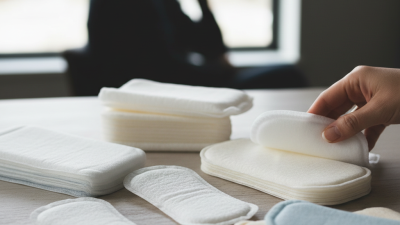
Nonwoven pet pads are more than just a convenience. They offer a hygienic way for pets to relieve themselves indoors. Their unique design allows for high absorbency and rapid drying, making cleanup efficient. These pads are engineered from advanced materials, prioritizing both effectiveness and pet safety. However, there is a need for continuous improvement in material sourcing and eco-friendliness.
Trends such as biodegradable options are catching consumer attention. Yet, the balance between performance and sustainability can be challenging. Some products claim to be eco-friendly, but may fall short in other aspects. As the nonwoven pet pad industry evolves, the emphasis will remain on quality, usability, and environmental impact. Reflecting on these dynamics is crucial for both manufacturers and pet owners alike.
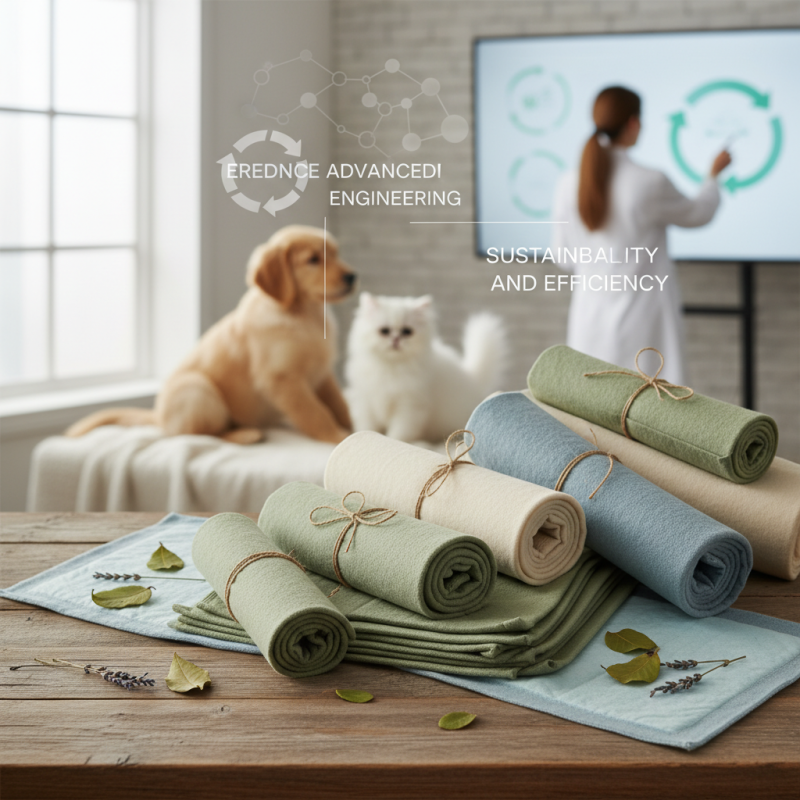
Emerging Materials in Nonwoven Pet Pads for Enhanced Absorbency
The demand for nonwoven pet pads is growing rapidly. These products use advanced materials to enhance absorbency, making them essential for pet owners. According to a report from Smithers Pira, the global market for absorbent materials is projected to reach $15 billion by 2026. This growth indicates the vital role that innovation plays in pet care.
Emerging materials such as superabsorbent polymers (SAPs) are particularly noteworthy. SAPs can absorb many times their weight in liquid. When used in nonwoven pet pads, they provide superior absorbency. Pets feel comfortable. Owners experience less mess. However, the sourcing of these materials can sometimes raise sustainability concerns. Not all manufacturers prioritize eco-friendly practices.
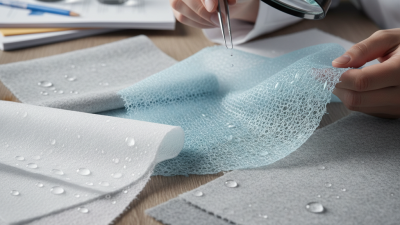
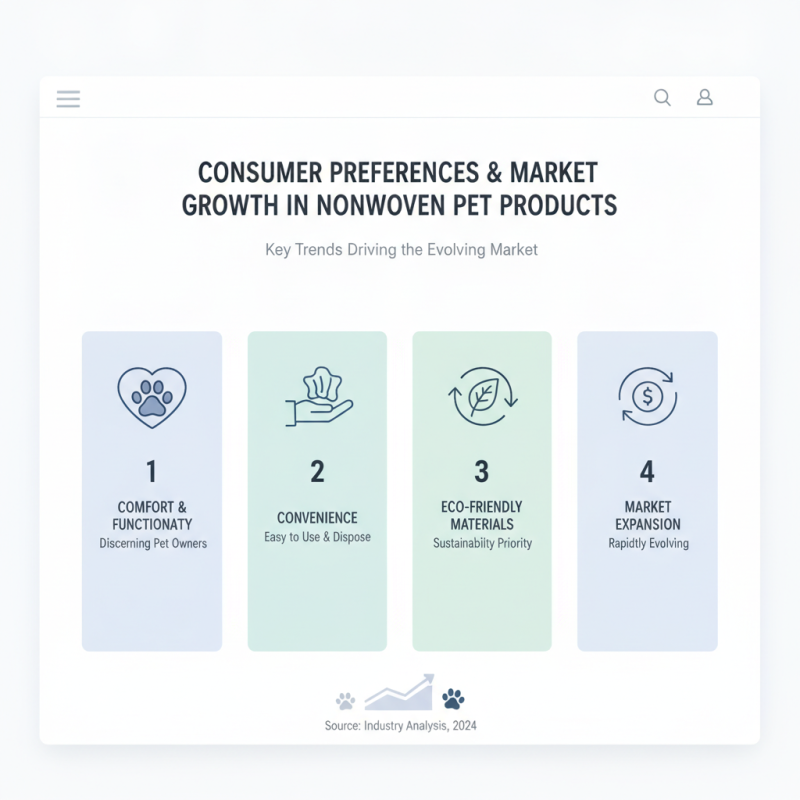
Another notable trend is the incorporation of biodegradable fibers into nonwoven fabrics. These fibers break down more quickly than traditional materials. Data from the Association of Nonwoven Fabrics Industry shows a significant consumer shift towards sustainability. Many pet owners now seek products that align with their ecological values. Still, ensuring that these materials perform adequately remains a challenge. Balancing functionality and environmental responsibility is essential for industry growth.
2026 Top Trends in Nonwoven Pet Pads for Your Furry Friends
| Trend |
Description |
Material Type |
Key Benefits |
Projected Growth Rate (%) |
| Enhanced Absorbency |
Development of materials that improve fluid retention and neutralize odors. |
Superabsorbent Polymers (SAP) |
Higher absorbency, reduced odor, longer use duration. |
15% |
| Biodegradable Options |
Use of eco-friendly materials to reduce environmental impact. |
Plant-based fibers |
Sustainable, compostable, and reduced waste. |
20% |
| Odor Control Technologies |
Integration of special additives that trap and neutralize odors. |
Activated Carbon, Zeolites |
Improved freshness, reduced odor embarrassment. |
12% |
| Custom Sizing for Pets |
Availability of various sizes to suit different pet breeds. |
Nonwoven synthetic blends |
Better fit, increased comfort for pets. |
10% |
| Advanced Leak-Proof Design |
Innovative structures preventing leakage from pet pads. |
Multilayer construction |
Enhanced reliability, reduces mess. |
18% |
Eco-Friendly Innovations for Sustainable Nonwoven Pet Pads
The demand for eco-friendly innovations in nonwoven pet pads is growing rapidly. Many pet owners are now aware of their choices' environmental impact. Sustainable materials are becoming a priority. Biodegradable fibers, organic substances, and recycled content are integral to this shift. Manufacturers are exploring plant-based materials. These options promise a reduction in landfill waste and resource depletion.
Innovative production techniques are also emerging. Companies are seeking methods that minimize emissions and energy use. Some are even venturing into local sourcing to reduce transportation impacts. While these advancements are encouraging, challenges remain. Not all materials perform as well as synthetic alternatives.
Durability and absorbency are crucial factors for pet owners.
The journey toward sustainability is complex. There is still room for improvement in material performance and cost-effectiveness.
Education is essential for both manufacturers and consumers. Many pet owners may not fully understand the benefits of eco-friendly options. Increased awareness can foster a shift in purchasing behaviors, ultimately leading to better choices for our furry friends and the planet.
Technological Advances in Nonwoven Fabric Manufacturing for Pet Care
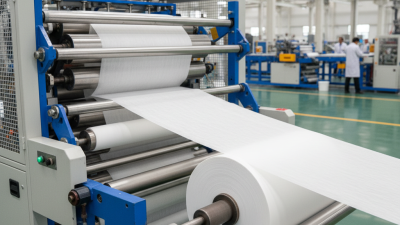
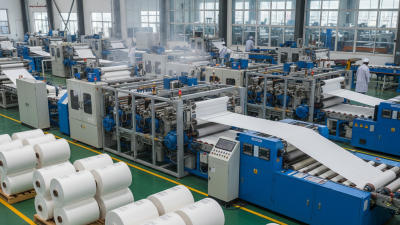
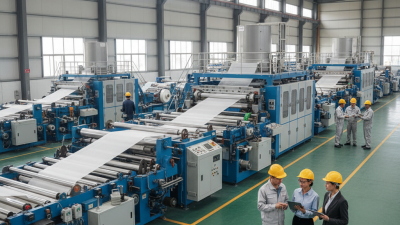
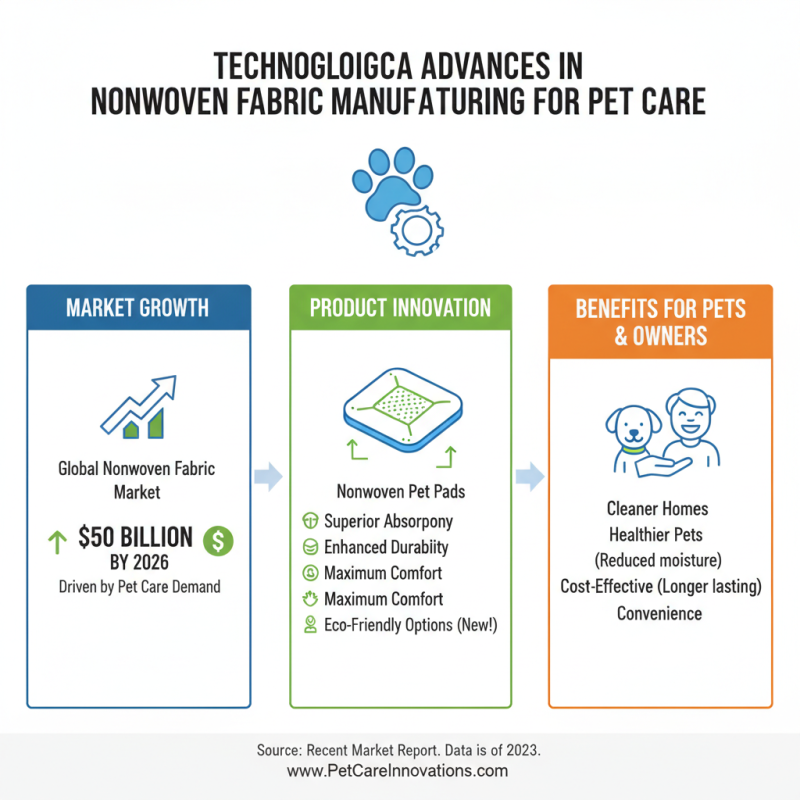
The pet care industry is witnessing significant advancements in nonwoven fabric manufacturing. According to a recent market report, the global nonwoven fabric market is projected to reach $50 billion by 2026. This growth reflects an increasing demand for high-quality pet care products, particularly nonwoven pet pads. These pads offer superior absorbency, durability, and comfort, making them a preferred choice for pet owners.
Technological improvements in nonwoven fabric production have played a crucial role in this trend. Innovations such as thermal bonding and spunlace processes enhance fabric quality while reducing production costs. As a result, manufacturers can create soft, breathable, and highly absorbent materials for pet pads. A study highlighted that over 70% of pet owners prefer pads made from advanced nonwoven fabrics due to their reliability and performance.
Despite these advancements, there is room for improvement. Some current nonwoven products still lack eco-friendliness. Innovations should focus on biodegradable options to reduce environmental impact. Continuous research and development in sustainable materials could lead to more responsible choices for environmentally-conscious consumers. This could reshape the landscape of pet care products for the better.
Design Trends in Pet Pads Catering to Different Animal Sizes and Breeds
As the pet industry evolves, nonwoven pet pads are becoming essential for various animal sizes and breeds. According to a recent market analysis, the demand for specialized pet pads is expected to grow by over 7% annually through 2026. This demand highlights the importance of tailored design in pet care products. Unique features are now being developed to accommodate small dogs, large breeds, and even cats.
For instance, lightweight pads for small breeds are designed with extra-absorbent materials to prevent leaks. In contrast, larger pads for bigger dogs incorporate reinforced edges to withstand vigorous use. The materials used are increasingly eco-friendly, meeting consumer demands for sustainability. However, the challenge remains in balancing comfort with functionality, as some pets may prefer different textures.
While advancements in design are promising, there is an inconsistency in quality standards across the industry. Some pads may not perform as expected, leading to owner frustration. Feedback suggests that regular evaluations and updates could enhance reliability. Continuous research into animal behavior can provide insights that drive improvements. Quality assurance remains vital in maintaining trust among pet owners.