2026 How to Choose the Right Spunmelt Nonwoven Machine for Your Needs?
Choosing the right Spunmelt Nonwoven Machine can be challenging. Various factors come into play. Quality, efficiency, and cost-effectiveness are essential elements to consider. Each project demands specific outcomes, which influences your machine choice.
Spunmelt technology is widely used across many industries. From hygiene products to medical textiles, the applications are vast. Understanding your needs is crucial. Evaluate your production scale, desired output, and material types. Each decision impacts your efficiency and profitability.
The market offers diverse machines with different features. Not all machines are created equal. Some may excel in speed while others focus on versatility. Balancing these aspects is vital for your success. Reflecting on your past experiences can guide you. Identify what worked and what didn’t. This process is not perfect, but it is necessary for improvement.
Understanding Spunmelt Nonwoven Technology
Understanding spunmelt nonwoven technology is crucial for manufacturers aiming to produce high-quality materials. This technology combines polymer fibers to create a fabric that is lightweight yet incredibly strong. According to industry reports, the global nonwoven market is projected to reach $30 billion by 2026, driven by increased demand in hygiene and medical applications.
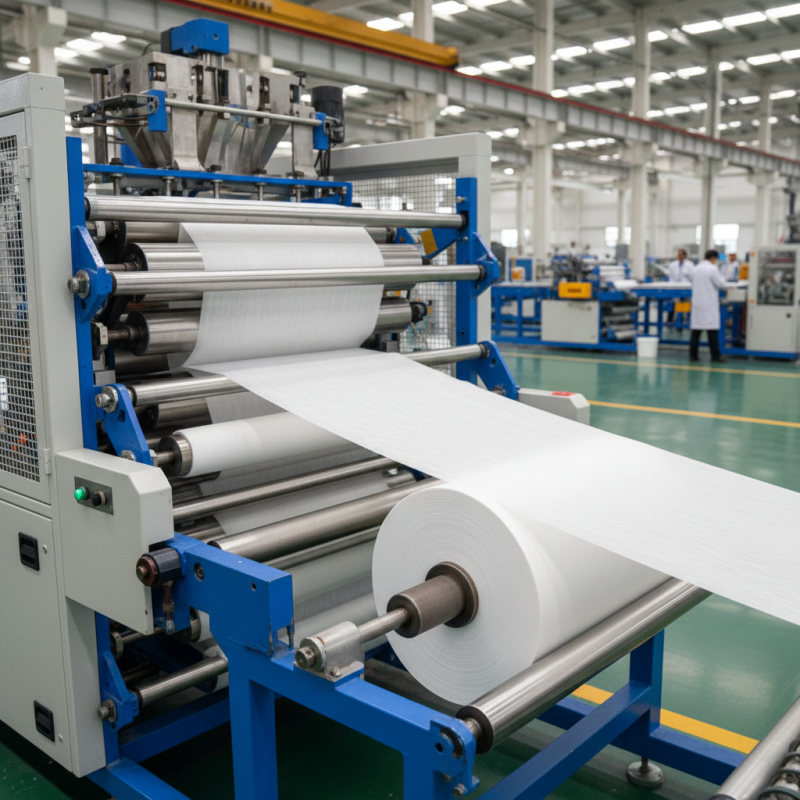
To make the right decision for your production needs, consider factors such as machine efficiency and the type of polymers used. Spunmelt machines can vary in configuration, affecting speed and output quality. The versatility of spunmelt allows for the integration of various additives, influencing the final product's characteristics, like softness and durability.
Tips: When selecting a machine, assess your production requirements thoroughly. Look for equipment offering flexibility in fabric weight and composition. Don’t overlook after-sales support; it’s vital for long-term operation. Keep in mind potential technological advancements, as frequent updates may render older machines less efficient. Balancing these factors can lead to better operational outcomes and product quality.
Key Factors to Consider When Choosing a Spunmelt Machine
When selecting a spunmelt nonwoven machine, several key factors come into play. The production capacity is crucial. Machines vary in their output capabilities. Consider your business size and the expected demand. It’s vital to align the machine's capacity with your production goals.
Another factor is material compatibility. Different spunmelt machines work best with specific fibers. Understanding the types of nonwoven products you plan to create is essential. Not all machines handle every material effectively. This might limit your product range and affect your market adaptability.
Energy efficiency is often overlooked. A machine that consumes less energy can reduce operational costs significantly over time. Reflect on your long-term investment. Is the upfront cost worth the savings? There isn't always a clear answer. Balancing between initial expenditure and future savings is challenging but necessary for sustainable growth.
Comparing Different Types of Spunmelt Nonwoven Machines
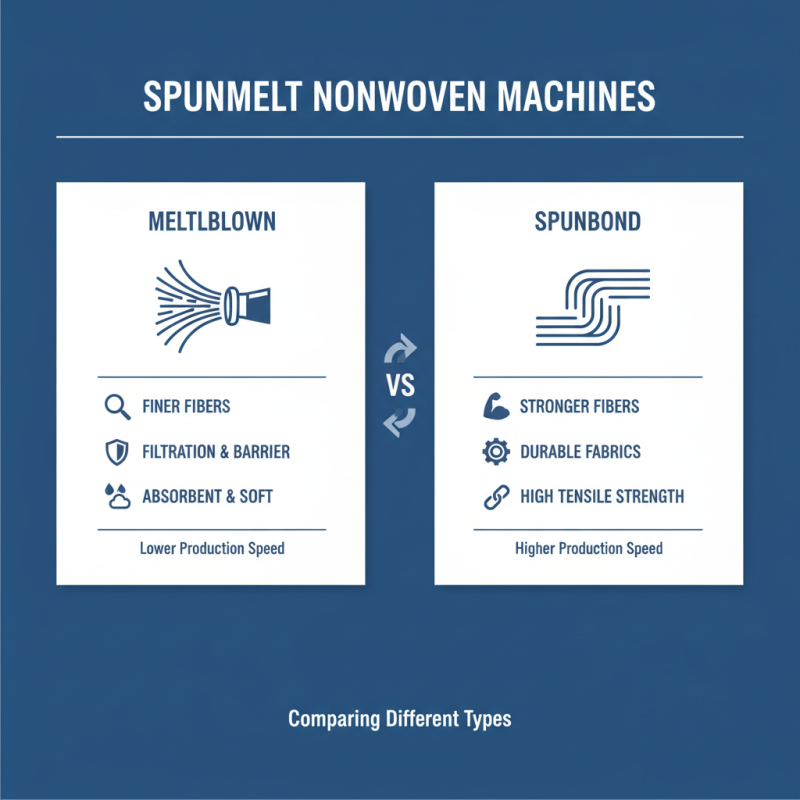
When selecting the right spunmelt nonwoven machine, understanding the various types is critical. Spunmelt machines generally fall into two main categories: meltblown and spunbond. Meltblown machines produce finer fibers, making them ideal for applications requiring filtration and barrier fabrics. This type often has lower production speeds but yields products with excellent absorbency and softness.
On the other hand, spunbond machines generate thicker and stronger fibers. They are better suited for durable applications, such as geotextiles and agricultural covers. The strength of spunbond products can be a significant advantage in many sectors. However, their limitations become apparent in situations where finer filtration is needed. Choosing between these two types requires careful consideration of your specific application, desired properties, and production capacity.
Many users overlook the importance of machine compatibility with raw materials. Not every spunmelt machine can handle all types of polymers. It's essential to evaluate the available options and their technical specifications. Taking time to reflect on your production goals and material choices could lead to better results. In the end, the choice of a spunmelt nonwoven machine should align with both your current needs and future growth potential.
Evaluating Production Capacity and Efficiency Requirements
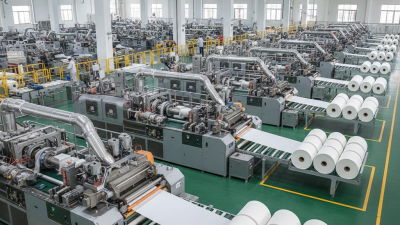
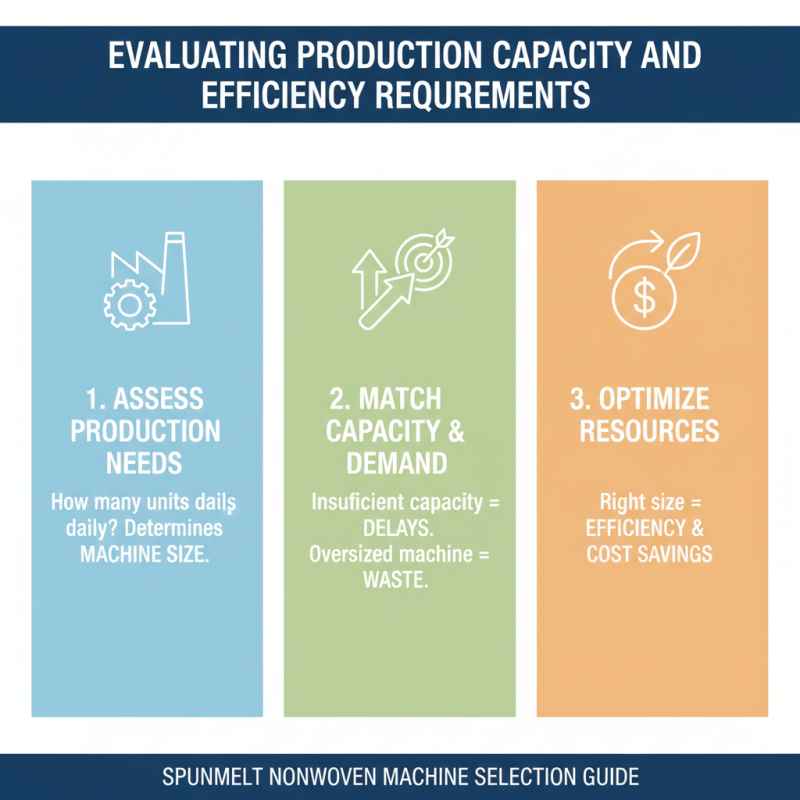
When selecting a spunmelt nonwoven machine, understanding your production capacity is essential. Start by assessing your current production needs. How many units do you require daily? This number helps you identify the right machine size. A machine that cannot keep up with demand will lead to delays. Alternatively, an oversized machine can waste resources and increase operational costs.
Efficiency is another important factor. Machines differ in speed and output quality. Evaluate how quickly your chosen machine can produce nonwoven fabrics. Productivity is often directly linked to operational efficiency. Despite investing in advanced technology, it is critical to monitor the machine's performance. Regular maintenance is essential to maintain consistency and avoid downtimes.
Be prepared for adjustments. As your production needs evolve, your equipment may need upgrades. The initial choice may not suffice long-term. Reflect on your forecasts and industry trends. Flexibility in your machinery will allow for adaptation, ensuring you remain competitive. Keeping an eye on both capacity and efficiency will ultimately lead to better production outcomes.
Assessing Cost and Maintenance Needs for Spunmelt Machines
When selecting a spunmelt nonwoven machine, evaluating cost and maintenance is crucial. The cost of these machines can vary significantly, typically ranging from $400,000 to $2 million. Understanding your production scale is vital. A smaller operation may benefit from a more affordable model, while larger factories may need high-capacity machines despite the higher upfront cost.
Maintenance needs must also be assessed. Regular maintenance is essential to keep machines running efficiently. According to industry reports, about 20% of total operating costs are linked to maintenance activities. Daily inspections and routine servicing can prevent breakdowns. Investing in a machine with easy-access components may lower long-term maintenance costs.
Moreover, labor costs should not be overlooked. Automation can reduce manpower but may come with higher initial investments. A well-balanced decision considering both upfront and continuous costs is essential for long-term success. Reflecting on these factors will help make an informed choice in a competitive market.