2026 How to Set Up a Spunbond Nonwoven Plant Successfully?
In recent years, the demand for nonwoven fabrics has surged, driven by the needs of various industries. The global nonwoven market was valued at approximately $49 billion in 2021 and is expected to grow significantly by 2026. This growth highlights the importance of establishing a successful Spunbond Nonwoven Plant. Venturing into this market requires not only technical know-how but also an understanding of industry trends.
Setting up a Spunbond Nonwoven Plant involves several critical steps. Careful planning in technology selection and equipment layout is vital. Key performance indicators (KPIs) should be established to monitor production efficiency. However, creating this plant is not without challenges. Issues such as material sourcing and supply chain management require ongoing attention.
Industry insights suggest that companies often underestimate the importance of quality control. Regular audits and testing ensure that the product meets industry standards. A successful plant establishes robust processes but also remains flexible to adapt to market changes. Continuous reflection on operational practices can lead to improvements and innovations in production.
Understanding the Basics of Spunbond Nonwoven Technology
Spunbond nonwoven technology is transforming various industries. This technology combines fibers, giving them strength and versatility. With a projected market growth rate of over 8% annually, understanding this process is essential for budding entrepreneurs.
The spunbond process involves extruding polymer filaments. These filaments create a web that is bonded together, often using thermal or chemical methods. Notably, spunbond fabrics are durable and breathable. According to a 2023 industry report, the global demand for spunbond nonwovens is expected to reach approximately 21 million tons by 2026.
Tips: Focus on acquiring quality raw materials. Low-quality fibers can compromise your final product's integrity. Consistency in temperature during production is also crucial. Uneven heating can lead to weak spots.
Operators should stay updated on innovations in spunbond technology. The market is competitive, and staying informed is vital. Networking with industry professionals can present valuable insights. Don't overlook the importance of feedback from your production team to improve processes continually.
Key Factors to Consider When Choosing a Location for Your Plant
Choosing the right location for a spunbond nonwoven plant is crucial. Proximity to raw materials can reduce transportation costs. Consider the availability of suppliers and logistics. You may think a remote area is cheaper, but hidden costs can add up. Access to skilled labor should also influence your decision. Sometimes, rural areas lack trained personnel.
Assess local infrastructure before committing. Efficient road and rail networks enhance distribution. A well-connected site attracts talent and supports operations. Look at power supply reliability too. Unforeseen outages can disrupt production. Zoning regulations also matter. Compliance is key to avoiding future complications.
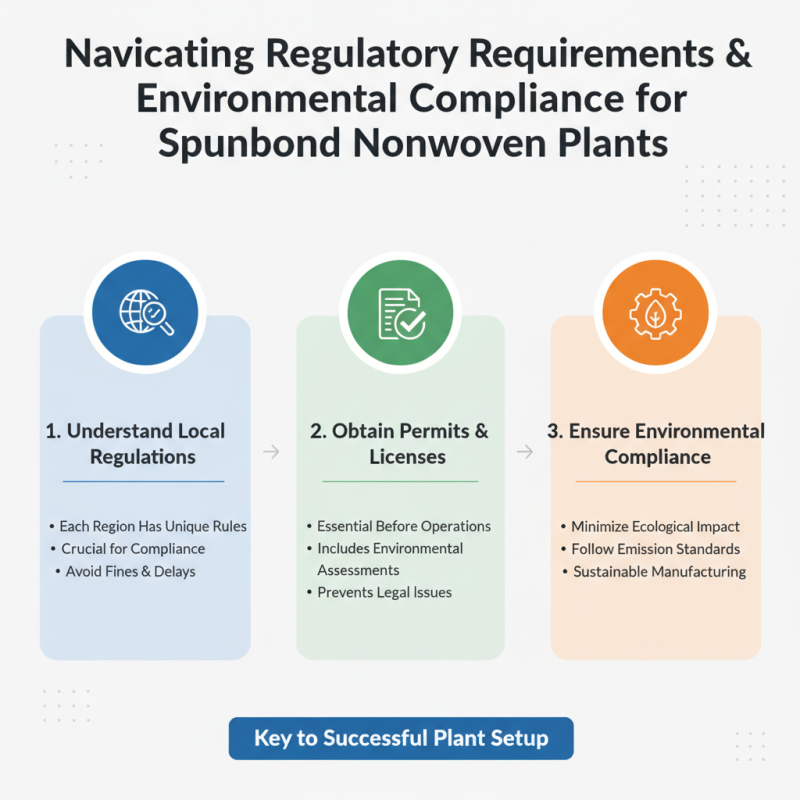
Environmental considerations play a role in site selection. Research local policies on emissions and waste management. A facility in a sensitive area may face strict scrutiny. Balancing business needs with sustainable practices is challenging. Regular engagement with community stakeholders builds a positive public image. This investment in relationships may prove beneficial in the long run.
Essential Machinery and Equipment for Spunbond Nonwoven Production
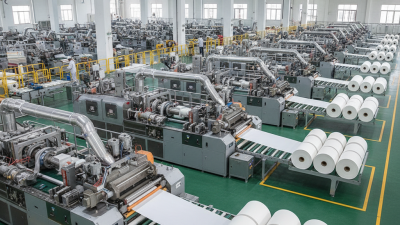
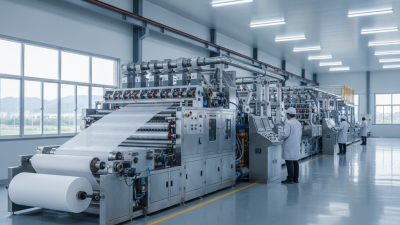
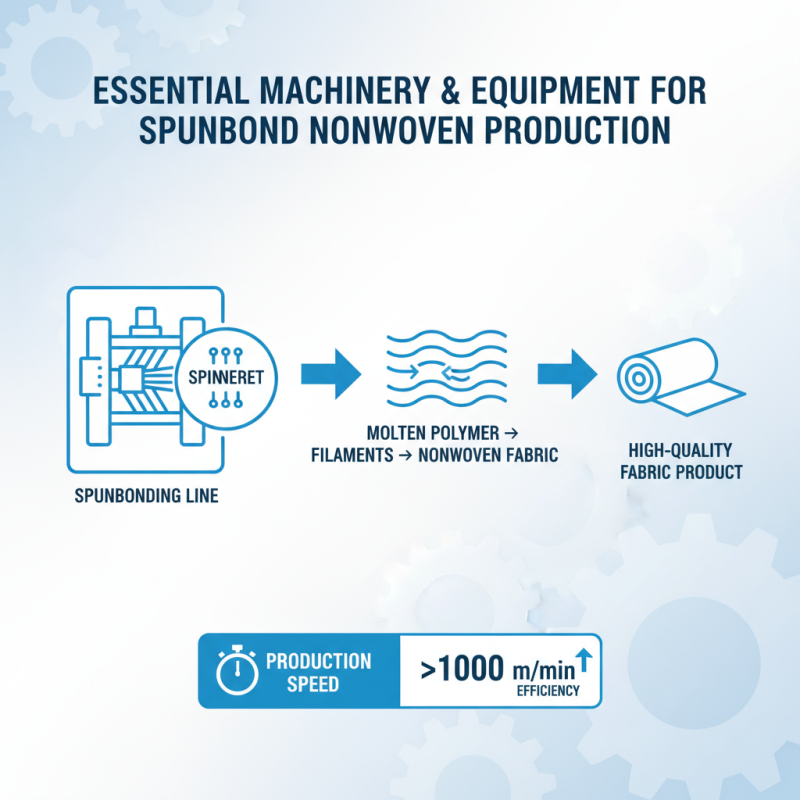
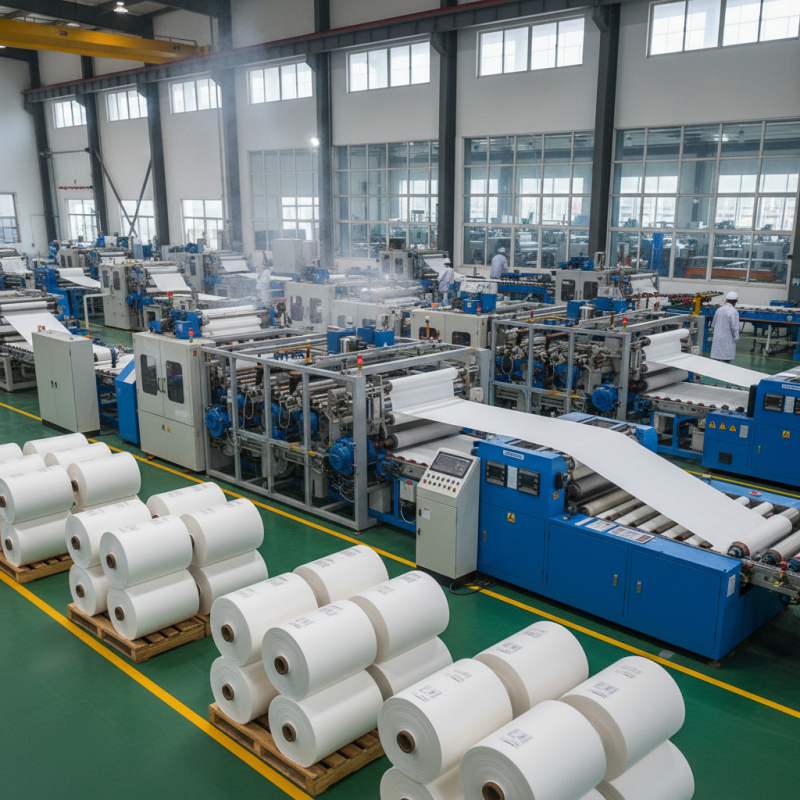
Setting up a spunbond nonwoven plant requires careful consideration of essential machinery and equipment. Key equipment includes the spunbonding line, which features a spinneret that extrudes molten polymer into filaments. This line is critical for producing high-quality nonwoven fabrics. A typical spunbonding technology can achieve production speeds of over 1,000 meters per minute, enhancing efficiency.
Adding to this, temperature control systems and polymer feed systems must be reliable. Improper temperature management can lead to quality inconsistencies. According to industry reports, up to 30% of production defects stem from equipment malfunctions. Therefore, investing in high-quality machinery is crucial for long-term success.
Tip: Regular maintenance of equipment prevents breakdowns. Staff training on machinery operation improves productivity. Often, manufacturers overlook these areas, leading to operational inefficiencies. Another point to reflect on is the need for flexibility. As market demands change, having adaptable machinery can provide a competitive edge in the nonwoven industry.
Establishing Effective Quality Control Measures in Your Plant
Quality control measures are crucial for a successful spunbond nonwoven plant. These measures ensure that your products meet industry standards and customer expectations. A detailed plan will help you maintain consistency and efficiency throughout production.
Implementing regular quality assessments can appear daunting. However, establishing a dedicated quality control team can streamline this process. Their role includes monitoring raw materials, inspecting intermediate products, and conducting final checks. It's essential to adapt your strategies based on feedback and shortcomings. If issues arise, investigate root causes promptly to prevent recurrence.
Tips for effective quality control:
- Train your staff regularly on quality standards.
- Use statistical tools to analyze production data.
- Encourage open communication about potential quality issues.
Ensuring a smooth workflow may not always be possible. Continuous testing and adjustments can lead to unforeseen challenges. Collecting data on your operations will help identify patterns and areas needing improvement. Keep in mind, a flexible approach allows for better responsiveness to quality issues as they arise.
2026 How to Set Up a Spunbond Nonwoven Plant Successfully? - Establishing Effective Quality Control Measures in Your Plant
| Quality Control Measure |
Description |
Frequency |
Responsibility |
| Raw Material Testing |
Ensure that all raw materials meet the required specifications before production. |
Before each batch |
Quality Control Team |
| Process Monitoring |
Continuously monitor key parameters during production to ensure optimal performance. |
Real-time |
Production Operators |
| Finished Product Inspection |
Inspect finished products for defects and adherence to specifications. |
Per batch |
Quality Control Team |
| Machine Calibration |
Regularly calibrate machines to maintain production accuracy. |
Monthly |
Maintenance Team |
| Employee Training |
Provide ongoing training for staff on quality standards and practices. |
Quarterly |
HR Department |