Top 10 Benefits of Spunbond Spinning Machine for Buyers?
The Spunbond Spinning Machine industry has witnessed remarkable innovations. Experts like Dr. John Thompson, a leading manufacturer in nonwoven technology, emphasize its significance: "Investing in a Spunbond Spinning Machine optimizes efficiency and product quality." This machine has transformed textile manufacturing by producing high-strength, lightweight fabrics.
Buyers now recognize the numerous advantages this equipment offers. The Spunbond Spinning Machine ensures consistent material quality and reduces production costs. Additionally, it supports sustainable practices by minimizing waste. Each feature complements the evolving needs of the textile market, catering to various applications. Yet, potential buyers must assess their unique requirements.
Understanding these benefits is essential for informed decisions. While the Spunbond Spinning Machine showcases impressive technologies, not all options fit every business model. Some enterprises may find it challenging to adapt to new machinery. A careful evaluation is vital to maximize potential returns. This leads to better outcomes in the competitive textile landscape.
Understanding Spunbond Technology in Modern Manufacturing
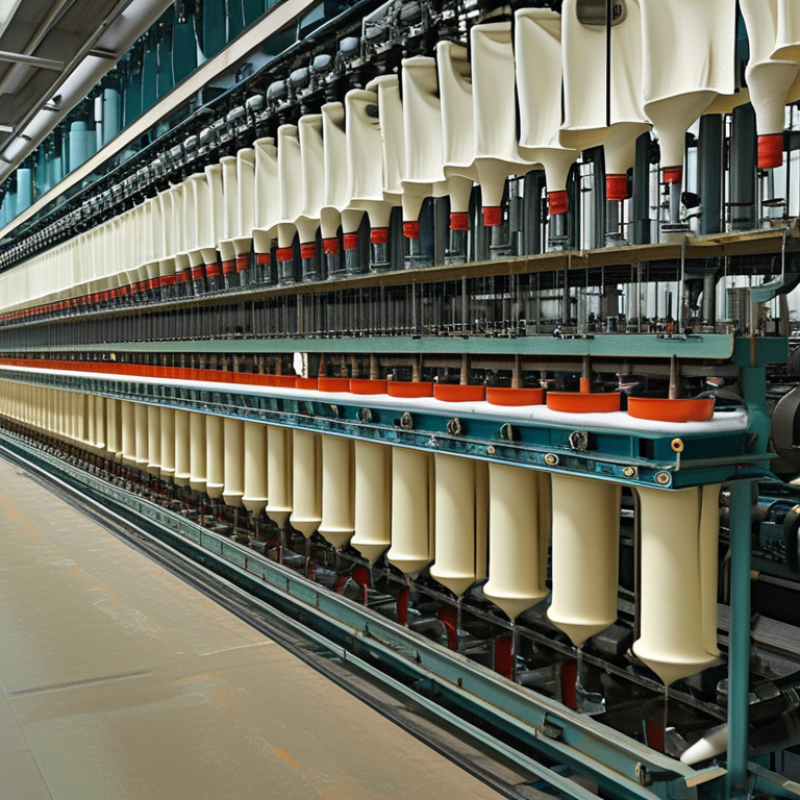
Spunbond technology plays a critical role in modern manufacturing processes. This method involves the creation of nonwoven fabric by spinning and bonding continuous filaments. The production is efficient and less wasteful compared to traditional textile techniques. Manufacturers can achieve consistent quality, leading to enhanced product durability.
The versatility of spunbond fabric makes it suitable for various applications. Industries, including agriculture, medical, and construction, benefit greatly. These fabrics offer essential features such as robustness and breathability. However, some buyers might overlook the environmental impact of synthetic fibers. Finding a balance between efficiency and sustainability remains a challenge in many production lines.
Investing in a spunbond spinning machine can provide significant advantages. Reduced labor costs and faster production cycles improve profit margins. Still, businesses must address the need for skilled technicians to operate these machines effectively. Continuous training is vital to maximize performance and maintain quality standards. Manufacturers should carefully consider these factors when adopting spunbond technology.
Key Advantages of Using Spunbond Spinning Machines
Spunbond spinning machines have transformed the nonwoven fabric industry. They produce high-quality fabrics used in various applications. One key advantage is their efficiency. According to industry reports, these machines can produce up to 1,200 kilograms of fabric per hour. This high output significantly reduces production costs for manufacturers.
Another benefit is their versatility. Spunbond fabrics can be tailored for medical, agricultural, and geotextile uses. The ability to adjust fabric parameters allows for customization essential to meet diverse market needs. Furthermore, these machines have a reduced environmental impact. Spunbond technology utilizes less energy and generates minimal waste compared to traditional methods.
However, buyers must consider some challenges. Initial investments in spunbond spinning machines can be substantial. Maintenance costs may also add up over time. It's crucial for buyers to weigh these concerns against the long-term savings achieved through increased efficiency and reduced labor costs. Making informed purchasing decisions can lead to greater overall satisfaction.
Top 10 Benefits of Spunbond Spinning Machine
Cost Efficiency and Return on Investment for Buyers
Investing in a spunbond spinning machine can significantly enhance cost efficiency for manufacturers. According to a recent report by Smithers Pira, the spunbond nonwoven market is projected to grow at a CAGR of 5.6% over the next five years. This growth is driven by the increasing demand for lightweight, durable materials. Buyers looking to optimize their production lines can benefit from lower operational costs and improved yield rates.
The initial investment in a spunbond machine can seem daunting. However, operational costs are often significantly reduced. For instance, energy consumption can be cut by up to 20% with newer technologies. This leads to a quicker return on investment. Moreover, advanced machines require less maintenance, minimizing downtime. This is crucial for staying competitive in a fast-paced market.
A challenge remains—finding the right machine that balances cost and quality. Some machines may promise high-speed production but lack durability. Conversely, cheaper models might result in high defect rates. Buyers must weigh these factors carefully. Industry insights suggest analyzing total cost of ownership rather than just the purchase price. Making informed decisions can lead to sustainable growth and profitability in the long run.
Improved Product Quality and Consistency Through Spunbond Processes
Spunbond processes significantly enhance product quality and consistency. These machines utilize a unique technique to create non-woven fabrics. The consistent production of fibers ensures uniformity in the final product. This uniformity leads to better performance in various applications, including medical, agricultural, and industrial sectors.
The improved quality from spunbond processes is not merely a statistical advantage; it’s a practical one. Buyers can expect fewer defects in their materials. This reduction translates into lower waste and higher productivity. However, achieving consistency can still present challenges. Small fluctuations in temperature or humidity during production may affect the end product. Recognizing these variables is crucial for maintaining high standards.
Moreover, while spunbond technology advances, it also requires ongoing attention. Manufacturers need to invest in regular maintenance and staff training. A knowledgeable workforce is vital for troubleshooting unexpected issues. The commitment to quality can sometimes waver, particularly in high-demand seasons. Thus, continuous evaluation of processes is essential to ensure reliability and excellence in output.
Environmental Benefits of Spunbond Technology in Textile Production
Spunbond technology offers significant environmental benefits in textile production. This process utilizes thermoplastic fibers, which reduces waste. According to a 2022 report by the Global Textile Alliance, spunbond manufacturing can reduce fabric waste by up to 30%. This efficiency is crucial as textile waste continues to impact our environment.
The energy consumption of spunbond machines is relatively low. They use approximately 50% less energy than traditional textile manufacturing methods. This reduction helps decrease carbon emissions significantly. A recent study highlighted that shifting to spunbond technologies could lower greenhouse gas emissions in the textile sector by 25%. Such shifts can't be ignored as the industry aims to meet sustainability goals.
Additionally, spunbond fabrics are often recyclable. This characteristic enhances their lifespan and reduces landfill contributions. However, not all spunbond products are processed for recycling efficiently. The industry faces challenges in establishing standard recycling protocols. Addressing these gaps is essential for maximizing the environmental potential of spunbond technology. The need for continuous improvement demonstrates that while progress is being made, there is still work to be done in sustainable textile practices.