Top 10 Spunmelt Nonwoven Machines for Global Buyers?
The demand for Spunmelt Nonwoven Machines has surged in recent years, driven by industries such as hygiene, medical, and filtration. According to a report by MarketsandMarkets, the global nonwoven fabric market is projected to reach USD 42 billion by 2025. This growth is largely attributed to the rising use of nonwoven materials in disposable products and protective equipment.
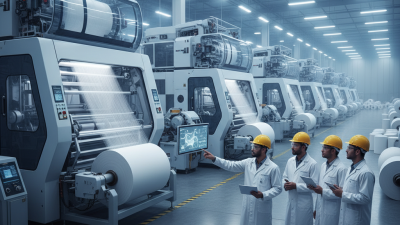
Spunmelt technology plays a crucial role in producing these materials efficiently. It combines polymer extrusion and web formation, allowing manufacturers to produce high-quality nonwovens with superior properties. However, not all machines deliver the same level of performance. Some buyers may overlook crucial factors like machine speed, energy consumption, and flexibility.
In a landscape filled with options, it is essential for buyers to evaluate various Spunmelt Nonwoven Machines carefully. Industry experts note that choosing the right machine can enhance production capabilities and reduce operational costs. As the market evolves, informed decisions will separate successful manufacturers from others. Understanding these nuances is key to a competitive edge in a booming industry.
Overview of Spunmelt Nonwoven Technology and Its Applications
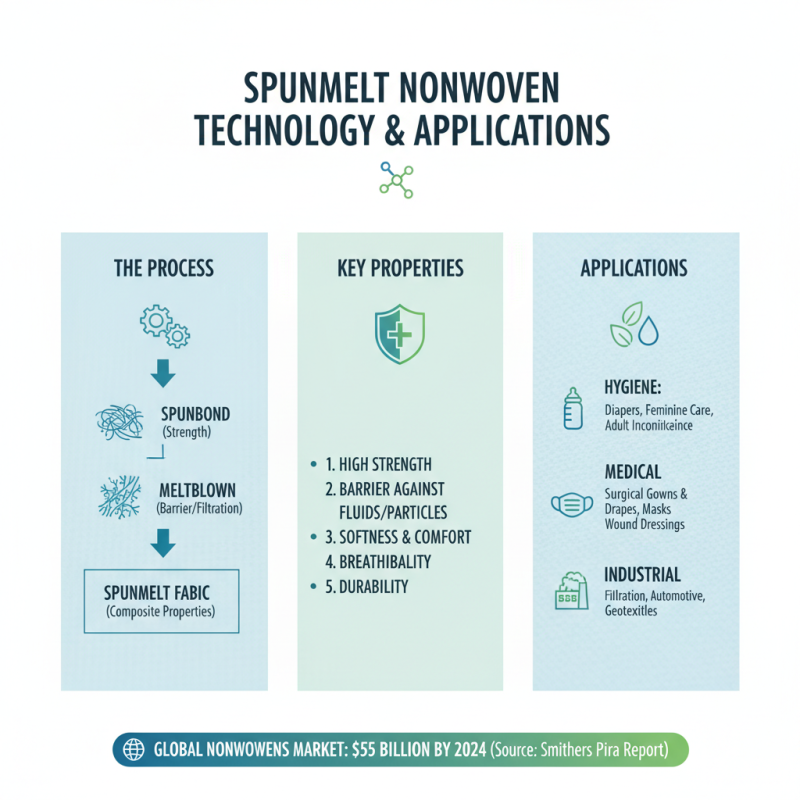
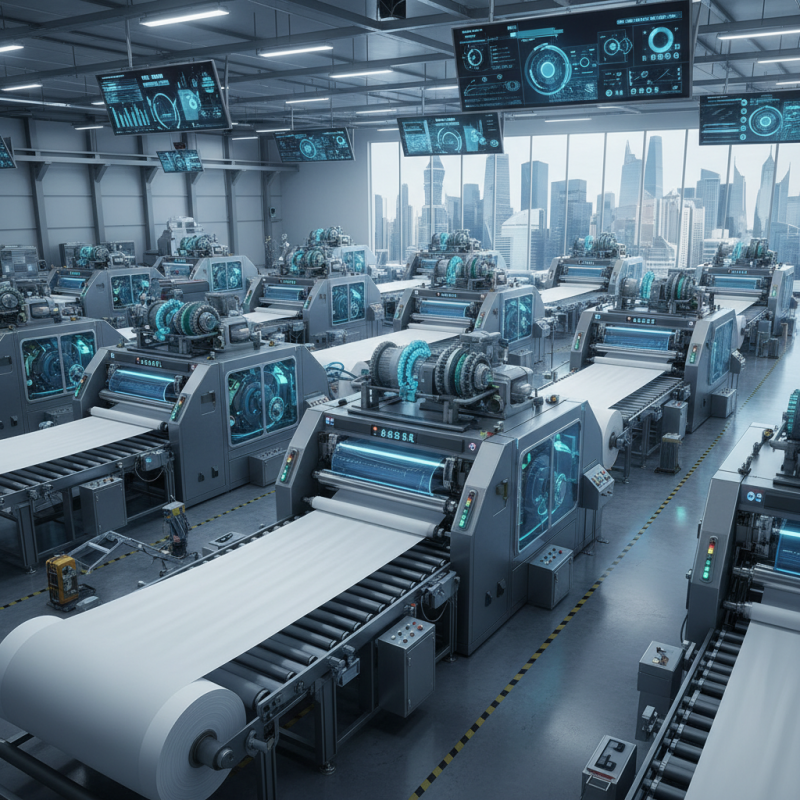
Spunmelt nonwoven technology plays a critical role in various sectors, including hygiene, medical, and industrial applications. This technology uses a process that combines meltblown and spunbond techniques, creating fabrics with beneficial properties. According to a report by Smithers Pira, the global nonwovens market is expected to reach $55 billion by 2024, highlighting its rapid expansion.
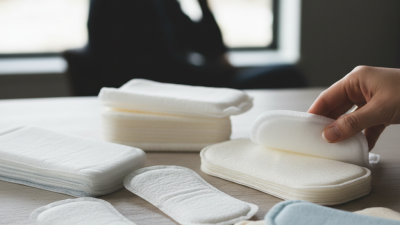
The applications of spunmelt nonwoven fabrics are diverse. In the hygiene sector, products like diapers and feminine care items rely on these materials for their absorbent and breathable features. Additionally, the medical industry uses spunmelt nonwovens for surgical gowns and masks. The durability and versatility of these fabrics make them suitable for various uses, but challenges remain in sustainability and recycling methods.
Tip: When selecting spunmelt machines, consider the intended fabric characteristics. Each application requires specific material properties, which will influence machine choice.
Data shows that the market for medical nonwovens is expected to grow significantly. Manufacturers must focus on innovation to tackle potential pitfalls in production efficiency and waste reduction. Understanding material flow and production speed is crucial. Developing more sustainable practices remains a pressing challenge for manufacturers in this evolving industry.
Key Factors to Consider When Selecting Spunmelt Nonwoven Machines
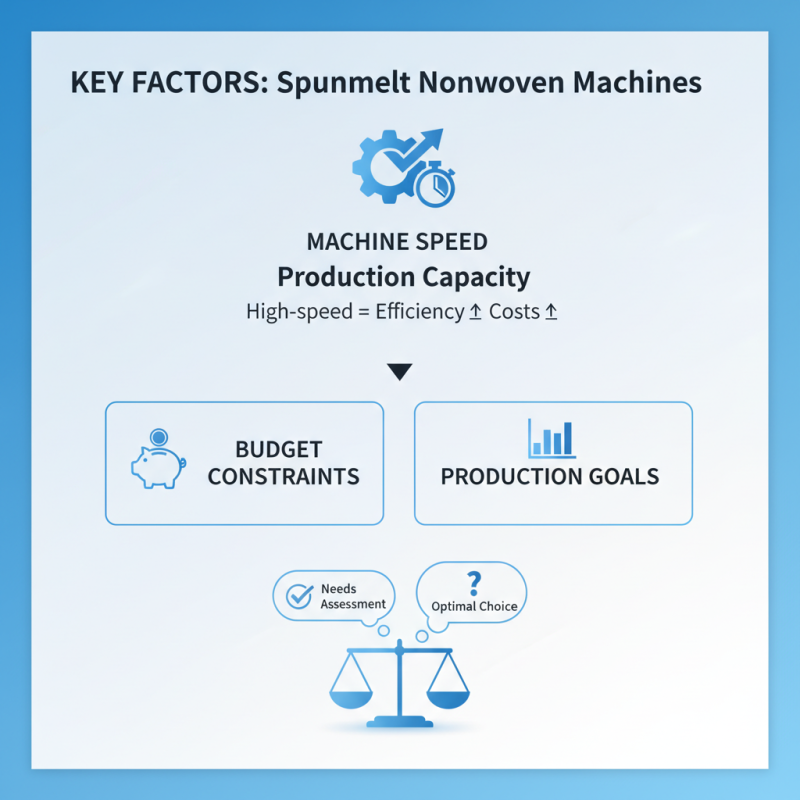
When selecting spunmelt nonwoven machines, several key factors require careful consideration. Machine speed and production capacity are vital. High-speed machines can significantly improve efficiency. However, this often comes with higher operational costs. Buyers need to assess their production goals and budget constraints.
Material compatibility is another crucial factor. Different spunmelt processes cater to various materials. For instance, some machines work best with polypropylene, while others may handle polyester more effectively. Evaluating the types of materials your production will focus on can make a big difference.
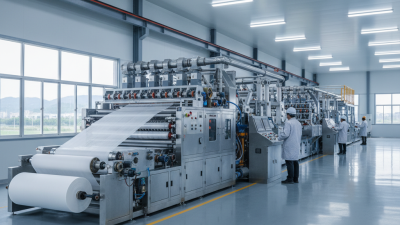
Additionally, technology features play an important role. Automation and advanced control systems enhance operational reliability. However, they may also introduce complexity in maintenance. Users should weigh their team's technical expertise against these advanced features. Oversights in these areas can lead to production delays or unexpected costs. Each buyer must reflect on their specific needs and challenges.
Top Manufacturers of Spunmelt Nonwoven Machines in the Global Market
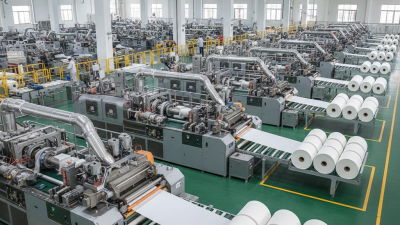
The global market for spunmelt nonwoven machines is evolving rapidly. Various manufacturers are leading the way in this technology, crucial for industries like hygiene, medical, and filtration. According to a recent report from Smithers, the global nonwoven fabric market is expected to reach $54 billion by 2025. This surge emphasizes the importance of efficient machines in production.
In this dynamic sector, machine capabilities are essential. Producers are focusing on energy efficiency and operational speed. For example, high-capacity machines can increase production rates significantly, impacting overall profitability. A machine that produces 300-600 kg per hour can revolutionize operations. However, many manufacturers struggle with integration issues. Finding compatible components can slow down modernization efforts in aging factories.
Investing in the right equipment is a complex decision. Manufacturers often weigh cost against potential output improvements. A detailed cost-benefit analysis can help identify the most effective solutions. As manufacturers navigate these choices, the landscape continues to shift. Companies must adapt or risk becoming obsolete amid growing competitive pressures.
Top 10 Spunmelt Nonwoven Machines for Global Buyers
| Model |
Production Capacity (kg/h) |
Width (mm) |
Power Consumption (kW) |
Weight (kg) |
| Model A |
150 |
1600 |
120 |
5000 |
| Model B |
200 |
1800 |
150 |
6000 |
| Model C |
175 |
1600 |
130 |
5500 |
| Model D |
220 |
2000 |
160 |
6500 |
| Model E |
190 |
2200 |
140 |
7000 |
| Model F |
250 |
2400 |
175 |
8000 |
| Model G |
230 |
2100 |
150 |
7500 |
| Model H |
160 |
1700 |
125 |
5200 |
| Model I |
180 |
1900 |
138 |
5800 |
| Model J |
210 |
2300 |
165 |
8200 |
Comparison of Features and Prices of Leading Spunmelt Machinery
When considering spunmelt nonwoven machines, the features can greatly influence buyer decisions. Various models offer distinct capabilities, addressing diverse production needs. Some machines excel in speed and efficiency, perfect for high-volume operations. Others focus on versatility, allowing manufacturers to switch between different fabric types easily. Evaluating these aspects is crucial for making informed purchases.
Price is another critical factor. The cost of spunmelt machinery varies widely, often reflecting the technology and features included. Lower-priced options may lack advanced functions, while premium machines typically offer higher productivity and better quality. However, the return on investment can vary, making thorough price comparisons essential for buyers.
Additionally, the reliability of the machinery should not be overlooked. Durability is key for long-term performance, ensuring minimal downtime. It’s important to gather insights from existing users to understand the machine's performance over time. Gathering this information can reveal both the strengths and weaknesses of each model, helping buyers make better decisions for their production lines.
Future Trends in Spunmelt Nonwoven Machine Innovations and Developments
The landscape of spunmelt nonwoven machines is evolving quickly. Innovations are driving efficiency and performance in the industry. Manufacturers are focusing on sustainable materials, reducing waste, and enhancing productivity. Advancements in technology are creating opportunities for new applications. For example, improved melt-blown processes enhance filtration capabilities. This is especially relevant for medical and hygienic applications.
Trends show a move towards automation in these machines. Smart technologies enable real-time monitoring and predictive maintenance. This approach minimizes downtime and maximizes output. However, the integration of such technologies poses challenges. Not all manufacturers can afford the latest systems. There is a learning curve to adopting these innovations, and not every company is equipped to adapt.
As the industry progresses, focusing on safety and environmental concerns is paramount. While operational efficiencies are vital, they should not come at the expense of worker safety. Monitoring air quality and implementing eco-friendly practices are ongoing challenges. Balancing innovation with responsibility remains critical.
Top 10 Spunmelt Nonwoven Machines: Market Trends