China Best Spunbond Spinning Machine Innovations and Applications?
The Spunbond Spinning Machine industry in China is evolving rapidly. Experts like Dr. Li Wei, a renowned engineer in the field, emphasize the importance of innovation. He states, "Embracing new technologies is crucial for the future of spunbond."
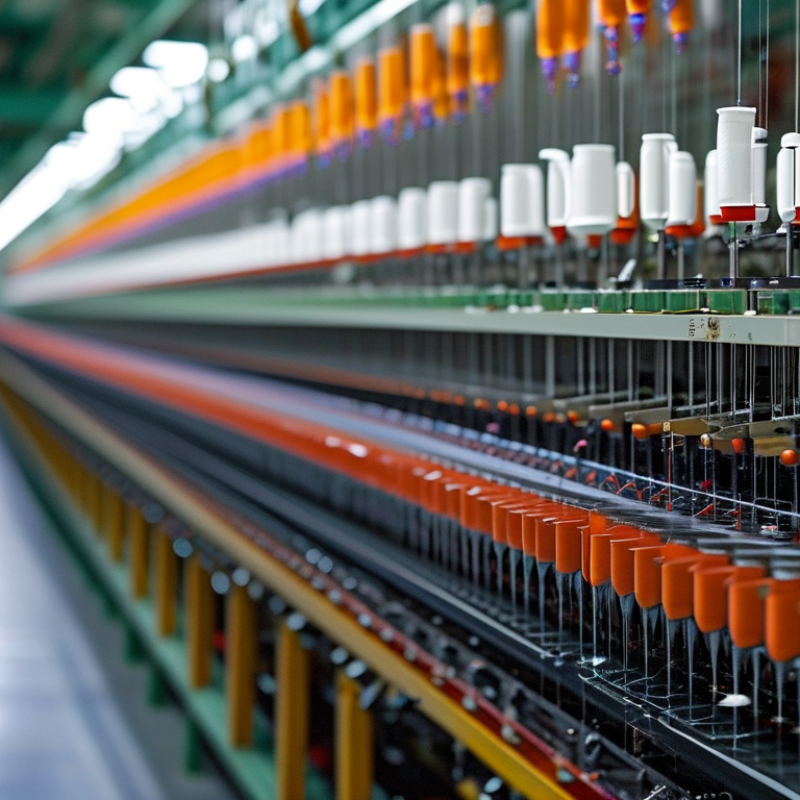
Recent advancements in spunbond technology are game-changing. Manufacturers integrate automation and energy-efficient solutions into their machines. This enhances production rates while reducing costs. Enhanced quality control mechanisms are also emerging, ensuring superior fabric output.
Yet, challenges remain. Not all manufacturers adopt these innovations. Some still rely on outdated methods. The gap between advanced and traditional producers needs addressing. The journey of the Spunbond Spinning Machine industry is not without reflection. As market demands evolve, so must the technology. Continuous improvement and openness to new ideas are vital for a sustainable future.
Overview of Spunbond Spinning Technology in China
Spunbond spinning technology has gained significant traction in China, particularly in the textile and non-woven industries. Recent reports indicate that the country's production capacity for spunbond fabrics reached over 2 million tons in 2022. This surge is driven by advancements in manufacturing techniques and materials, which enhance the quality and efficiency of production.
The innovations in spunbond machines have also led to greater sustainability in manufacturing processes. Many new machines utilize eco-friendly materials and energy-efficient designs. For example, energy consumption has reportedly dropped by up to 30% with the latest machinery. However, challenges such as managing waste during production still require attention. Manufacturers need to adopt better recycling practices to minimize environmental impact.
Tips for manufacturers: Regularly assess your machinery and processes to identify areas for improvement. The pursuit of sustainable practices can significantly enhance your market appeal. Embrace digital technologies to optimize operations, but be cautious of over-reliance on automated systems; human oversight remains crucial in decision-making.
China Best Spunbond Spinning Machine Innovations and Applications
| Innovation |
Application Area |
Advantages |
Material Compatibility |
Production Speed (m/min) |
| High Efficiency Spinning System |
Non-woven Fabrics |
Increased Output |
PP, PET |
300 |
| Eco-Friendly Fiber Technology |
Geotextiles |
Sustainable Production |
PLA, Cotton |
250 |
| Smart Monitoring Systems |
Medical Textiles |
Real-time Quality Control |
Nylon, Polypropylene |
280 |
| Multi-Layered Spinning Technology |
Fashion Fabrics |
Enhanced Textiles |
Viscose, Polyester |
350 |
| Automation in Fiber Feeding |
Hygiene Products |
Reduced Labor Costs |
Polyethylene, Polypropylene |
320 |
Key Innovations in China’s Spunbond Spinning Machines
China's spunbond spinning machines have seen remarkable innovations in recent years. Advanced technologies improve efficiency and quality.
One key development is the integration of automation. Automated processes reduce labor costs and enhance consistency.
Real-time monitoring systems also increase precision. These innovations lead to better material performance in various applications.
In the realm of applications, these machines are pivotal in producing non-woven fabrics. Industries like hygiene, agriculture, and construction benefit significantly.
However, these advancements come with challenges. Manufacturers must adapt to rapid technological changes. Training staff to handle new equipment can be complex.
A focus on sustainability is also crucial. The industry must reduce waste and energy consumption.
While innovations abound, reflecting on their impact is essential. Balancing efficiency and environmental responsibility remains a significant task.
It is vital for producers to continuously evaluate their processes. Staying ahead in this competitive landscape requires ongoing improvement and adaptation.
Applications of Spunbond Materials in Various Industries
Spunbond materials have found extensive applications across various industries, thanks to their durability and lightweight characteristics. The global spunbond nonwoven market is expected to reach $11 billion by 2027, growing at a CAGR of 6.5% from 2020 to 2027. This growth highlights the demand for spunbond materials in sectors such as automotive, healthcare, and agriculture.
In the healthcare industry, spunbond fabrics are critical for disposable surgical gowns and face masks. These materials provide a barrier against fluids and microbes. Reports indicate that the healthcare segment accounted for 35% of the total spunbond market share in 2021. This underscores the fabric’s essential role in promoting hygiene and safety. In agriculture, spunbond is used for crop covers, aiding in temperature regulation and pest control. This fabric enhances crop yield while being environmentally friendly.
Tip: Consider the environmental impact of materials. Recycled spunbond options can reduce waste and promote sustainability in your applications.
While spunbond offers numerous advantages, issues with production consistency remain. Variability in fiber thickness can affect the usability of the final product. Manufacturers must focus on quality control to maintain desired properties.
Tip: Regular testing of spunbond materials can help identify flaws early in production, ensuring better quality products.
Comparative Analysis of Global Spunbond Technologies and China's Position
China has made significant strides in the spunbond technology sector. Recent reports indicate that China's market share in this area has reached approximately 45%. The advancement in machine innovation has contributed to increased production efficiency. Newer machines have shown improvements in energy consumption, reducing costs by up to 30%. This positions China prominently on the global stage.
A comparative analysis with global technologies reveals mixed outcomes. While Europe leads in eco-friendly materials, China’s focus remains on scalability and cost-effectiveness. Furthermore, the trend towards automation in spunbond production highlights a growing gap. While some manufacturers in other regions rely on manual processes, Chinese innovations are often fully automated, enhancing precision.
Challenges still exist. Quality control is sometimes inconsistent, with reports indicating that 15% of products fail to meet global standards. There’s ongoing debate over the environmental impact of certain materials used. Stakeholders are urging for improved sustainable practices across the industry. It’s crucial that China balances growth and quality to maintain its competitive edge.
Future Trends and Developments in China's Spunbond Spinning Industry
The spunbond spinning industry in China is evolving rapidly. Innovations are crucial for improving efficiency and sustainability. Emerging technologies focus on energy savings and better material utilization. This transformation reflects a need for greener manufacturing processes.
Tips: Staying updated with industry trends is vital. Follow key publications and attend relevant conferences to gain insights. Building a network can provide valuable knowledge.
Automation is becoming a significant trend. Intelligent systems are enhancing production capabilities. However, integrating these technologies can be challenging. Many manufacturers face a steep learning curve. Adapting to new tools requires both time and investment.
Tips: Start with pilot projects before full-scale implementation. Gathering data from these trials can guide better decisions. It’s essential to remain flexible. The industry's landscape is continuously shifting, making adaptability crucial for success.