Top 10 Benefits of Spunbonded Nonwoven Fabrics for Various Industries?
Spunbonded Nonwoven fabrics have emerged as a game-changer in various industries, offering unparalleled advantages. Dr. Emily Chen, a leading expert in nonwoven technology, says, "The versatility of Spunbonded Nonwoven fabrics sets them apart in the marketplace." This statement reflects the growing recognition of these materials in applications ranging from medical supplies to textiles.
Many industries have adopted Spunbonded Nonwoven fabrics for their unique properties. These fabrics are lightweight yet strong, providing durability without sacrificing flexibility. They are often used in hygiene products, protective apparel, and even construction materials. Their breathable nature allows for comfort in use, especially in personal care items.
However, the benefits are not without limitations. Manufacturers must consider sustainability and environmental impact. The reliance on synthetic fibers poses questions for future use. As industries evolve, ongoing innovation and research are vital. Balancing performance with ecological responsibility will shape the future of Spunbonded Nonwoven fabrics.

Applications of Spunbonded Nonwoven Fabrics in the Medical Industry
Spunbonded nonwoven fabrics have gained prominence in the medical industry for their unique properties. These materials are lightweight, breathable, and strong, making them ideal for medical applications. According to a report from Smithers Pira, the global market for nonwoven fabrics in healthcare is expected to reach over $13 billion by 2025. This growth is driven by the increasing demand for disposable healthcare products.
In hospitals and clinics, spunbonded nonwoven fabrics are often used in surgical gowns, drapes, and masks. Their barrier properties protect against blood and fluid penetration. Moreover, these fabrics are hypoallergenic, which is crucial for patient safety. A study conducted by Technavio noted that the use of such materials can reduce the risk of healthcare-associated infections, a significant concern in the medical field.
**Tip:** Always check the material specifications to ensure they meet health standards. Not all nonwoven fabrics are created equal.
Despite their advantages, there are some limitations to consider. Spunbonded fabrics may not be as durable as woven options for certain applications. Additionally, while they are biodegradable, their decomposition can take time in certain environments. It's essential to weigh the pros and cons when selecting materials for medical use.
**Tip:** Stay informed about advancements in fabric technology. New developments could enhance performance and sustainability.
Advantages of Spunbonded Nonwoven Fabrics in the Packaging Sector
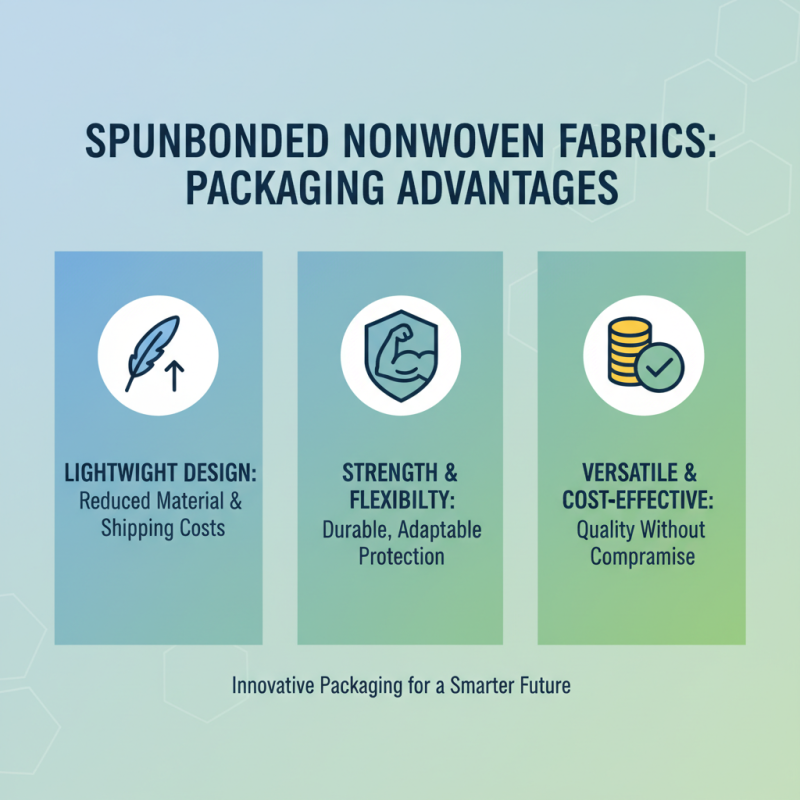
Spunbonded nonwoven fabrics are increasingly popular in the packaging sector. Their lightweight design makes them ideal for various packaging needs. They offer a balance of strength and flexibility that traditional materials often lack. This versatility contributes to cost-effective solutions without compromising quality.
These fabrics also ensure adequate protection for products. Their water resistance helps shield items from moisture during transport. Additionally, spunbonded fabrics are recyclable and eco-friendly, aligning with growing consumer demand for sustainable solutions. However, companies may struggle with sourcing reliable suppliers. This inconsistency can affect production schedules and overall efficiency.
While spunbonded fabrics have many advantages, they are not without drawbacks. Some products may experience wear and tear quicker than expected. This variability requires careful selection based on specific packaging needs. Overall, spunbonded nonwoven fabrics offer innovative solutions. They present both opportunities and challenges within the packaging industry.
Environmental Benefits of Using Spunbonded Nonwoven Fabrics
Spunbonded nonwoven fabrics offer numerous environmental benefits that are reshaping industries. Unlike traditional textile processes, their production is energy-efficient. This method generates less waste. With advanced techniques, manufacturers can create fabrics that have a reduced carbon footprint. These fabrics are recyclable, helping to close the loop in waste management.
Moreover, spunbonded fabrics are biodegradable. This characteristic alleviates long-term pollution concerns. In many applications, they serve as alternatives to plastics. They decompose naturally, which is a significant advantage for the environment. However, the infrastructure for processing and recycling these materials is still developing in many regions.
Additionally, these fabrics often incorporate sustainable raw materials. Using recycled fibers can further enhance their eco-friendliness. While production might initially seem complex, ongoing advancements aim to streamline these processes. Overall, spunbonded nonwoven fabrics present an opportunity to promote sustainability across various industries. As the demand for green solutions grows, these fabrics will play a crucial role in shaping a more sustainable future.
Top 10 Benefits of Spunbonded Nonwoven Fabrics for Various Industries
| Benefit |
Description |
Industry Application |
Environmental Impact |
| Durability |
High tensile strength and resistance to wear and tear. |
Automotive, Construction |
Reduces material waste due to long life cycle. |
| Lightweight |
Easy to handle and transport. |
Packaging, Medical |
Lower shipping costs and carbon footprint. |
| Versatility |
Can be produced in various thicknesses and textures. |
Fashion, Hygiene |
Supports sustainable design processes. |
| Breathability |
Allows air and moisture to pass through. |
Healthcare, Agriculture |
Improves product longevity and reduces waste. |
| Cost-Effective |
Lower production costs compared to woven fabrics. |
Retail, Home Goods |
Promotes affordability while maintaining quality. |
| Water Resistance |
Effective barrier against moisture. |
Construction, Landscaping |
Minimizes environmental impact from water damage. |
| Customization |
Easily customized for specific needs. |
Textiles, Medical Supplies |
Encourages recycling and reduced landfill waste. |
| Recyclability |
Made from recyclable materials. |
Packaging, Industrial Applications |
Reduces overall ecological footprint. |
| Biodegradability |
Some formulations are biodegradable. |
Agriculture, Hygiene Products |
Contributes to a circular economy. |
| Low Chemical Use |
Less chemical processing compared to traditional textiles. |
Fashion, Home Décor |
Reduces harmful emissions. |
Cost Efficiency of Spunbonded Nonwoven Fabrics in Manufacturing
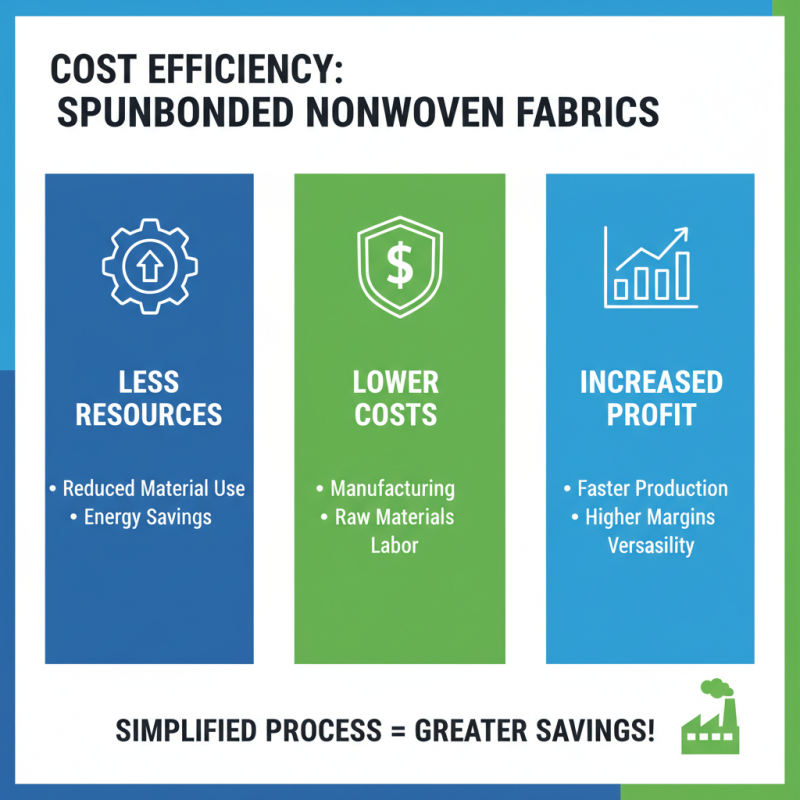
Spunbonded nonwoven fabrics have emerged as a game-changer in manufacturing. Their cost efficiency is remarkable, making them appealing for various industries. These fabrics require fewer resources to produce, thereby lowering overall manufacturing costs. Saving on raw materials can lead to increased production rates and better profit margins. The simplicity of the manufacturing process further enhances cost-effectiveness.
When considering spunbonded nonwoven fabrics, keep this in mind: streamline your supply chain. Close coordination with suppliers ensures timely delivery and better pricing. Regularly assess your production methods for efficiency. Avoiding waste is key. In addition, investing in quality control can save costs in the long run. It helps maintain product standards and reduces returns.
Evaluating the sustainability of spunbonded fabrics is essential. While they can be cost-effective, not all spunbonded fabrics are eco-friendly. Seek out options that minimize environmental impact. This balance is crucial for long-term success. Make sure your choices reflect your commitment to sustainability while also being economically viable.
Durability and Versatility of Spunbonded Nonwoven Fabrics Across Industries
Spunbonded nonwoven fabrics are gaining traction across various industries due to their exceptional durability and versatility. These materials are lightweight yet strong, making them suitable for applications from healthcare to agriculture. Their resistance to tearing and chemicals provides a reliable solution in demanding environments.
In the healthcare sector, spunbonded nonwovens are often used for surgical gowns and masks. They offer high breathability while maintaining barrier properties. This balance is crucial for infection control and patient comfort. In agriculture, these fabrics serve as protective covers for crops, shielding them against pests and harsh weather while allowing sunlight and moisture to penetrate.
**Tips: Use spunbonded fabrics selectively based on the specific requirements of your project. Consider the environmental implications. Some materials may not be recyclable. Think about your long-term goals. Incorporate these fabrics into products that match your sustainability aims.**
Spunbonded nonwovens are also valuable in the automotive industry. Their strength and lightweight nature enhance fuel efficiency and reduce overall vehicle weight. However, the variability in quality from different suppliers can be a concern. Always test samples before committing to large orders to ensure they meet your standards.
Top 10 Benefits of Spunbonded Nonwoven Fabrics for Various Industries
This chart represents the top 10 benefits of spunbonded nonwoven fabrics across various industries, highlighting their durability, versatility, and other key features important for different applications.