Best Uses of Spunbond Nonwoven Polypropylene in Various Industries?
Spunbond Nonwoven Polypropylene is a versatile material widely recognized for its strength and durability. This unique fabric is made through a process that gives it exceptional properties, making it suitable for various applications across multiple industries. From healthcare supplies to agricultural use, Spunbond Nonwoven Polypropylene has gained popularity due to its lightweight and cost-effective nature.
In the healthcare sector, it is commonly used for surgical gowns and masks, ensuring hygiene and safety. The agricultural field benefits from its use in protective covers and erosion control fabrics. Yet, the material's performance may vary based on thickness and manufacturing processes, leading to inconsistencies that require careful selection.
Overall, understanding the best uses of Spunbond Nonwoven Polypropylene can enhance efficiency and sustainability. By recognizing its strengths and limitations, industries can make informed choices that balance performance with environmental impact. The journey of integrating this material into various applications continues to evolve, presenting opportunities for innovation and improvement.
Overview of Spunbond Nonwoven Polypropylene Properties
Spunbond nonwoven polypropylene (PP) stands out for its versatility and durability. This material is lightweight, yet strong, making it ideal for numerous applications. Its water-resistant properties also help it perform well in various environments. Industries frequently utilize PP for products like bags, filters, and medical supplies.
When considering PP, think about its breathability. The fabric allows air circulation while blocking moisture. This function is particularly beneficial in the agriculture sector for crop covers and greenhouse supplies. Additionally, the material is chemically resistant, which is essential in medical settings. However, users should be aware that it may not be suitable for high-temperature applications.
Tips: For effective use, always test PP samples in your specific application. Consider how it reacts to different temperatures and environments before large-scale deployment. It’s key to ensure that the properties align with your project needs. Also, think about sustainability. While PP is durable, recycling options are limited, so planning for its lifecycle is crucial.
Best Uses of Spunbond Nonwoven Polypropylene in Various Industries
| Industry |
Application |
Properties |
Benefits |
| Medical |
Surgical drapes and masks |
Breathable, liquid-resistant |
Enhanced patient safety, comfort |
| Agriculture |
Crop cover and geotextiles |
UV resistant, durable |
Improved crop yield, soil protection |
| Construction |
House wrap and breathable membranes |
Moisture barrier, strong tensile strength |
Energy efficiency, weather protection |
| Fashion |
Handbags and accessories |
Lightweight, customizable |
Trendy designs, eco-friendly options |
| Personal Care |
Hygiene products like diapers |
Soft, absorbent |
Comfort and dryness |
Key Industries Utilizing Spunbond Nonwoven Polypropylene
Spunbond nonwoven polypropylene has found key applications across various industries due to its versatility. In the medical field, it is crucial for manufacturing surgical gowns and masks. Hospitals require materials that offer protection yet are breathable. The nonwoven fabric meets these needs effectively, ensuring both safety and comfort for healthcare workers.
The automotive industry also utilizes spunbond nonwoven polypropylene in interior applications. It acts as insulation and soundproofing material. By reducing noise pollution, it enhances passenger comfort. However, manufacturers face challenges in sourcing sustainable options. Finding eco-friendly alternatives remains a work in progress.
In packaging, spunbond nonwoven polypropylene is gaining traction. It offers durability and lightweight properties while being recyclable. This appeals to companies seeking environmentally responsible materials. Yet, there’s still a long way to go in raising awareness about its benefits. Education and outreach are essential for wider adoption.
Applications in the Healthcare Sector
Spunbond nonwoven polypropylene is widely used in the healthcare sector. Its lightweight and durable nature makes it ideal for various applications. Medical gowns, masks, and drapes are common items made from this material. They provide essential barrier protection against fluids and contaminants. This ensures the safety of both patients and healthcare professionals.
Using spunbond materials in healthcare can lead to better patient outcomes. For example, in surgical procedures, these fabrics reduce the risk of infection. They are breathable yet offer excellent fluid resistance. This combination is crucial in maintaining sterile environments. However, not all spunbond products are created equal. It's essential to evaluate their specifications thoroughly before use.
**Tips:** Always check the product's thickness and weight. These factors influence its protective qualities. Consider how the fabric will be disposed of, as this impacts sustainability. Additionally, be cautious about the durability of the material under various sterilization methods. Understanding these aspects can lead to informed choices in healthcare settings.
Use in Agriculture and Horticulture
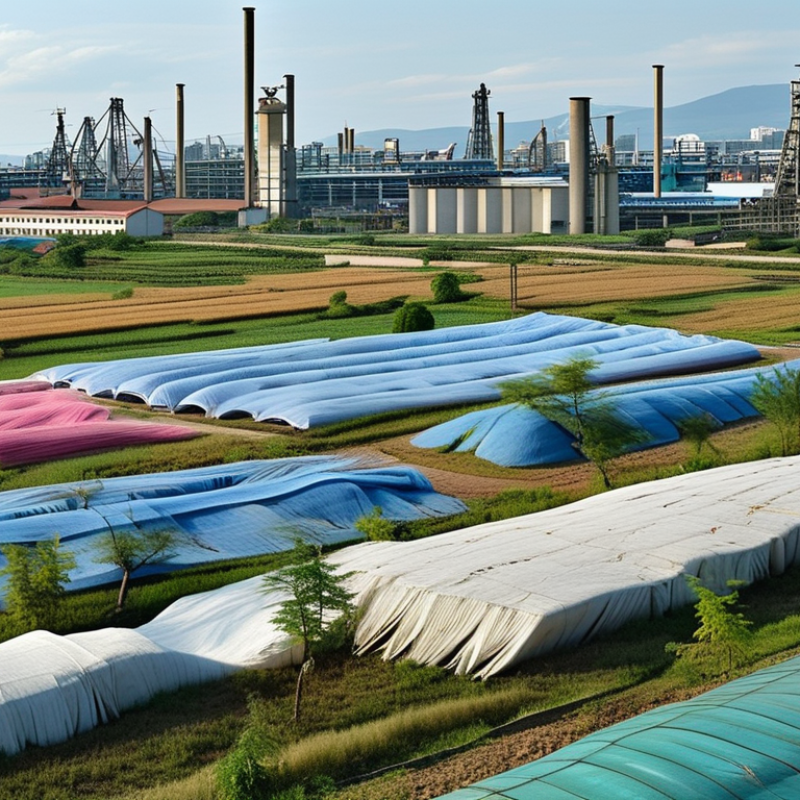
In the agriculture and horticulture sectors, spunbond nonwoven polypropylene has emerged as a vital material. Its unique properties, like breathability and strength, make it ideal for various applications. According to a report by the Agricultural Products Association, over 60% of growers now utilize nonwoven materials for crop protection. This increase is due to their ability to shield plants from harsh weather while allowing air and moisture to permeate.
These fabrics are widely used for mulch cover, which helps retain soil moisture and regulate temperature. Studies highlight that using spunbond nonwovens can enhance soil moisture conservation by up to 30%. Furthermore, the lightweight nature of these fabrics facilitates easier handling by farmers, reducing labor risks. However, some growers report challenges with durability and waterlogging in heavy rains. This emphasizes the need for careful selection and application.
Finally, their role in seedling propagation cannot be overlooked. Nonwoven trays provide excellent drainage and aeration for young plants. Yet, there are concerns about the environmental impact of polypropylene. Some experts advocate for more sustainable alternatives in the long term. Finding the balance between utility and ecological responsibility remains a challenge for the industry.
Innovations in Packaging with Spunbond Nonwoven Polypropylene
In recent years, the packaging industry has seen a significant shift towards sustainability.
Spunbond nonwoven polypropylene (PP) has emerged as a primary material. Its lightweight nature and durability make it ideal for various packaging applications.
According to a report by Smithers Pira, the global market for nonwoven fabrics is expected to reach
$55.7 billion by 2024. This trend highlights the importance of innovative materials like spunbond PP in evolving packaging practices.
One innovative use of spunbond nonwoven polypropylene is in reusable shopping bags. They provide a robust option that reduces plastic waste.
In addition, brands are increasingly using printed spunbond PP for promotional packaging. These printed bags can enhance brand visibility while remaining eco-friendly.
A study indicated that consumers prefer biodegradable packaging,
with 63% willing to pay more for sustainable options.
Tips: When considering spunbond PP packaging, think about its recycling capabilities.
Ensure that the production process adheres to environmental standards. It's crucial to stay updated on new designs and innovations in this material.
Adaptability can lead to more effective solutions. Packaging trends can shift rapidly, so maintain flexibility in material choice.
Regular reviews of environmental impact will enhance credibility and trust.