Top Benefits of Spunbond Nonwoven Plant Technology for Modern Industries?
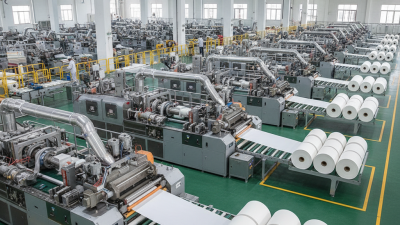
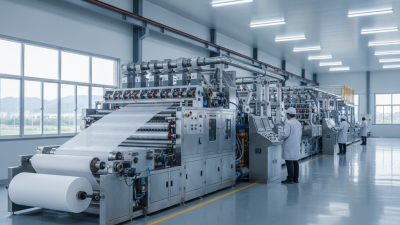
The Spunbond Nonwoven Plant technology has transformed various industries in recent years. This innovative approach offers numerous benefits, including enhanced production efficiency and sustainability. Businesses are increasingly adopting this technology for its versatility and eco-friendliness.
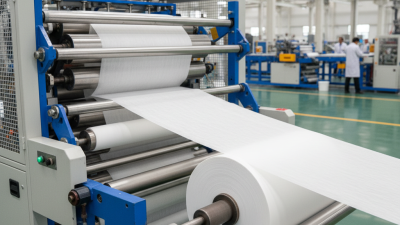
With Spunbond Nonwoven Plant processes, manufacturers can produce high-quality nonwoven fabrics rapidly. These materials are used in diverse applications, from hygiene products to geotextiles. The ability to create lightweight yet durable fabrics is vital for today’s fast-paced market.
However, some challenges exist with this technology. Investment costs can be significant, and understanding the intricacies of the process requires expertise. Companies must weigh the benefits against potential drawbacks. Continuous innovation and training are essential for maximizing the advantages of this technology.
Advantages of Spunbond Nonwoven Technology in Manufacturing Processes
Spunbond nonwoven technology is revolutionizing manufacturing processes across various industries. This method produces fabrics from continuous filaments, resulting in strong, lightweight materials. They are durable yet breathable, making them ideal for applications in hygiene products, geotextiles, and automotive textiles.
One of the main advantages of this technology is its efficiency. It enables high-speed production, which significantly reduces time and costs. Manufacturers can create large quantities of material quickly, adapting to market demands. Additionally, spunbond nonwovens are often produced with minimal waste, aligning with sustainability goals.
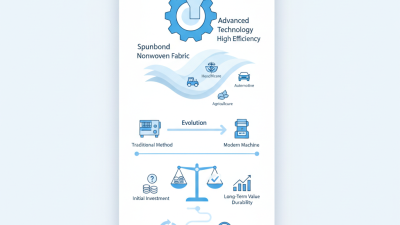
Tips for implementing spunbond technology effectively include investing in staff training. Knowledgeable workers can optimize production and maintain quality. Regular equipment maintenance also ensures consistent output. However, organizations must be mindful of the initial investment costs. Careful budgeting and planning are essential for long-term success. Balancing efficiency and quality might require time and adjustments.
In terms of innovation, spunbond technology offers endless possibilities. Experimenting with fiber blends leads to unique characteristics. Manufacturers should stay updated on trends to explore new applications. This approach fosters creativity and potential growth in competitive markets. Embracing these technologies can position businesses as leaders in their fields.
Environmental Benefits of Using Spunbond Nonwoven Materials
Spunbond nonwoven materials are gaining traction in various industries due to their unique environmental benefits. These materials, made from thermoplastic polymers, are lightweight yet incredibly durable. According to a report by the Nonwoven Institute, the global nonwoven fabrics market is projected to reach $49.57 billion by 2025. This growth highlights the rising demand for green alternatives in manufacturing processes.
One significant advantage of spunbond nonwoven materials is their recyclability. Unlike traditional fabrics, which often contribute to landfill waste, these materials can be reprocessed. A study in the Journal of Clean Production found that recycling nonwoven fabrics could reduce carbon emissions by up to 30%. This statistic illustrates the potential for spunbond materials to support sustainability efforts in industries like packaging and textiles.
Another aspect to consider is the reduction of water usage during production. Unlike woven fabrics, spunbond technology requires less water. A market analysis indicated that spunbond production consumes 80% less water than conventional methods. However, while these insights spotlight the advantages, challenges remain. Not all spunbond materials are produced with sustainable practices, and continuous improvement is necessary. Balancing the benefits with the industry's impact is crucial for true progress.
Cost-Effectiveness of Spunbond Nonwoven Production Techniques
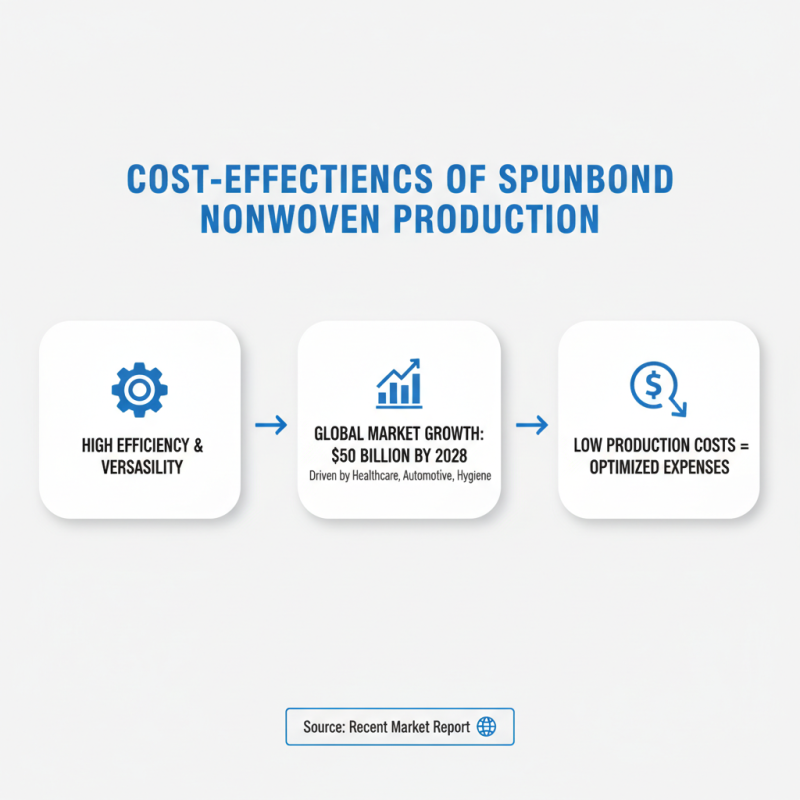
The cost-effectiveness of spunbond nonwoven production techniques is evident in their high efficiency and versatility. According to a recent market report, the global nonwoven fabric market is projected to reach USD 50 billion by 2028. This growth is driven by the rising demand across various industries, including healthcare, automotive, and hygiene products. The low production costs associated with spunbond technology make it a preferred choice for manufacturers aiming to optimize their expenses.
Spunbond nonwoven fabrics are created through a continuous process that allows high-speed production. It minimizes waste and raw material costs significantly. For instance, industry reports indicate that spunbond techniques can reduce material costs by up to 30% compared to traditional textiles. This reduction is crucial for companies looking to enhance their profit margins while maintaining product quality.
Despite these benefits, there are areas requiring reflection. The initial investment in advanced machinery can be high, which might deter smaller manufacturers. Moreover, the environmental impact of synthetic fibers used in spunbond production must be addressed. Thus, the balance between cost-effectiveness and sustainable practices remains a critical issue for the industry to navigate.
Versatility of Spunbond Nonwoven Products Across Various Industries
Spunbond nonwoven technology is transforming industries with its remarkable versatility. This manufacturing process creates lightweight, durable fabrics suitable for numerous applications. Reports indicate that the global nonwoven fabric market was valued at approximately $44 billion in 2022 and is expected to grow significantly. This growth is driven by their extensive use in sectors like agriculture, automotive, and hygiene.
In agriculture, spunbond nonwoven fabrics are used for crop protection and soil stabilization. These materials benefit the environment by allowing air and moisture to pass through while shielding plants from pests. A study revealed that using these fabrics can increase crop yields by up to 30%. In the automotive sector, lightweight nonwoven composites reduce vehicle weight, improving fuel efficiency and lowering emissions.
The hygiene industry benefits greatly from spunbond nonwoven products, which are essential for producing disposable medical apparel and personal protective equipment. These materials meet strict healthcare standards. An analysis found that nonwoven fabrics accounted for around 30% of the global market in disposable hygiene products by 2022. However, there are challenges in sustainability and recycling practices that need to be addressed. As industries embrace spunbond nonwoven technology, ongoing innovation and responsible practices will be crucial to maximize their full potential.
Top Benefits of Spunbond Nonwoven Plant Technology for Modern Industries
Enhanced Performance Characteristics of Spunbond Nonwoven Fabrics
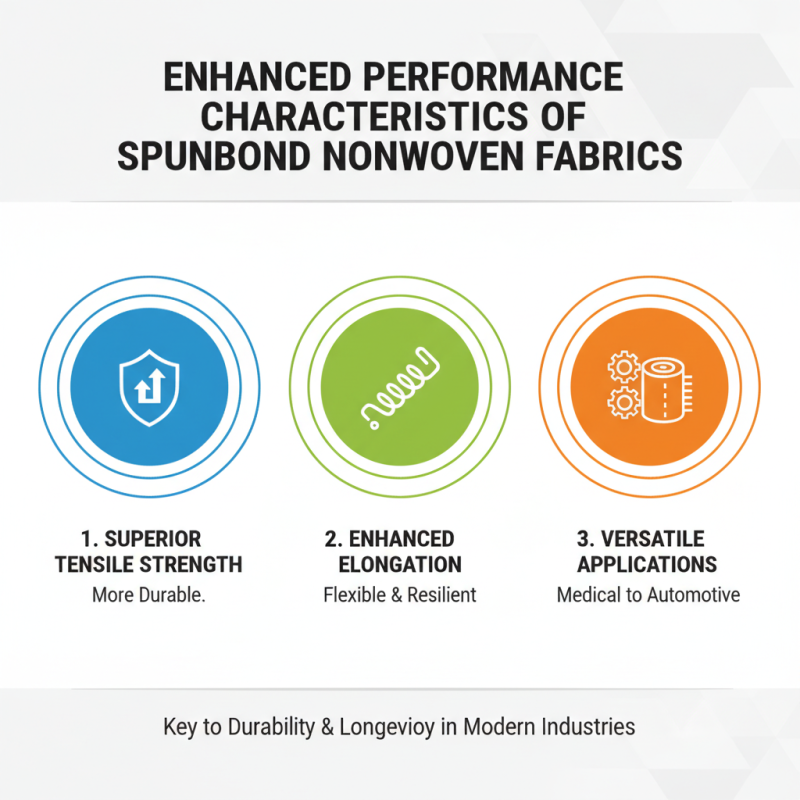
Spunbond nonwoven fabrics have emerged as a crucial component in various modern industries. Their production technology enhances performance characteristics significantly. According to industry reports, spunbond nonwovens exhibit superior tensile strength and elongation compared to traditional woven materials. This characteristic ensures durability and longevity in applications ranging from medical textiles to automotive components.
The unique fiber formation process allows for a uniform distribution of the fibers, which enhances filtration performance. In particular, spunbond fabrics can capture particulate matter effectively. A recent study highlighted that these fabrics could filter particles as small as 0.2 microns, making them ideal for applications in cleanrooms and air filtration systems.
However, challenges remain. The environmental impact of synthetic fibers is a growing concern. Industries must address the lifecycle of these materials, focusing on recyclability and sustainability. Transitioning towards bio-based polymers may improve the environmental footprint of spunbond technologies. As production scales up, the industry must reflect on balancing performance enhancements with ecological responsibilities.