Why Choose Spunbonding Nonwoven Fabric for Your Business Needs?
In today's fast-paced manufacturing landscape, choosing the right materials is crucial. Spunbonding Nonwoven Fabric stands out as a versatile option for various industries. Dr. Emily Carter, a leading expert in nonwoven materials, once said, "Spunbonding technology paves the way for innovation in fabric applications." This statement encapsulates the potential of spunbonding technology.
Spunbonding Nonwoven Fabric is known for its durability and adaptability. It can be tailored to meet specific needs, making it ideal for sectors such as healthcare, automotive, and agriculture. The fabric's lightweight nature allows ease in handling, while its strength supports numerous applications. However, not every product on the market may deliver the promised quality. Businesses must carefully assess material specifications and supplier reliability.
Choosing Spunbonding Nonwoven Fabric involves understanding both benefits and limitations. Some may overlook the importance of consistent quality. Potential buyers should seek trusted suppliers with proven expertise. In the end, Spunbonding Nonwoven Fabric is a powerful ally, but only when chosen wisely. Reflecting on Dr. Carter’s insights can guide businesses in making informed decisions.

Benefits of Spunbonding Nonwoven Fabric in Various Industries
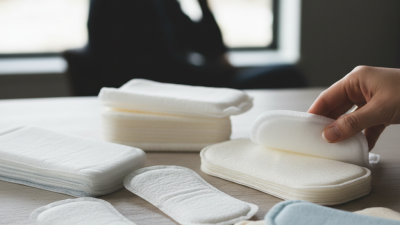
Spunbonding nonwoven fabric is increasingly favored in several industries due to its unique properties. This fabric is known for its lightweight and durable nature. It provides excellent breathability and moisture resistance, making it ideal for applications in the medical and agricultural sectors. For instance, healthcare facilities often use spunbonding nonwoven fabric for surgical gowns and masks, offering both protection and comfort.
In the agricultural sector, spunbonded fabrics help in crop protection and soil conditioning. They can provide thermal insulation and water retention. Many farmers have noted the benefits of reduced weed growth and enhanced crop yield. However, some users have expressed concerns about the longevity of these materials. Environmental effects and disposal options need careful consideration for sustainability.
Moreover, the versatility of spunbonding nonwoven fabric extends to fashion and home textiles. It can be used in making bags, upholstery, and even decorative items. While its lightweight nature is an advantage, it may not always offer the same strength as woven fabrics. Ongoing discussions around performance standards reflect the industry's commitment to improvement and innovation.
Key Properties and Characteristics of Spunbonded Fabrics
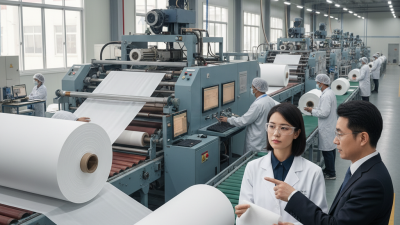
Spunbonded nonwoven fabrics are growing in popularity for businesses seeking durability and versatility. These fabrics are made from continuous filaments, which are heated and pressed together. This process creates strong and lightweight materials. They are resistant to tearing and provide excellent stretchability. Such properties make them suitable for a variety of industrial and consumer applications.
The breathability of spunbonded fabrics is another key characteristic. They allow air and moisture to pass through while maintaining strength. This makes them ideal for packaging, insulation, and medical applications. However, it is worth noting that the fabric's permeability can vary based on production methods. Business owners should carefully consider their specific needs when selecting these materials. Sometimes, the choices can feel overwhelming.
While spunbonded fabrics offer many advantages, challenges exist too. Variations in thickness and consistency can occur. This may lead to issues in quality control. Ensuring that suppliers meet specific standards is crucial. Overall, the benefits often outweigh these challenges, making spunbonded nonwoven fabrics a smart choice for businesses aiming for reliability and excellence.
Market Trends: Growth Statistics for Nonwoven Fabric Industry
The nonwoven fabric industry has witnessed remarkable growth over recent years. According to a report by Smithers Pira, the global nonwoven fabric market is projected to reach approximately $50 billion by 2025. This growth reflects the rising demand across various sectors such as hygiene, medical, and automotive industries. Spunbonding nonwoven fabric, known for its durability and versatility, plays a crucial role in this expansion.
In addition to sheer numbers, the market's dynamics reveal interesting trends. The demand for eco-friendly products is surging. Many manufacturers are turning to sustainable raw materials for spunbonded fabrics. The global shift towards sustainability has prompted a 10% increase in the use of biodegradable nonwoven materials. However, this shift comes with challenges. Not all companies can meet the stringent requirements for sustainable production. Consumers are becoming more informed and are pushing for better practices in the industry.
Market segmentation shows advancements in technology are driving innovation. The North American nonwoven fabric market remains strong, influenced by healthcare needs. Meanwhile, Asia-Pacific is emerging as a significant player due to increasing population and industrialization. Companies must adapt to these regional demands and technological changes. Continual improvement in manufacturing processes will be essential for maintaining a competitive edge.
Growth Statistics for Nonwoven Fabric Industry (2023)
The global nonwoven fabric market has shown significant growth over the past few years, with a projected increase from 32.5 billion USD in 2021 to 46.0 billion USD by 2025. This upward trend highlights the increasing demand for spunbonding nonwoven fabric across various industries.
Sustainability and Eco-Friendliness of Spunbonding Processes
Choosing spunbonding nonwoven fabric aligns well with the growing demand for sustainable materials. The spunbonding process itself is designed for eco-friendliness. It uses less water and energy compared to traditional fabric manufacturing techniques. This method minimizes waste, creating a more sustainable product lifecycle.
The materials used in spunbonding are often sourced from recyclable resources. This contributes to a lower environmental footprint. For businesses aiming to be more sustainable, this fabric provides an excellent option. However, companies must be aware of the challenges. Not all spunbonding processes are equally green. It's crucial to research suppliers and their practices.
While spunbonding offers many advantages, there are aspects needing review. The long-term environmental impact remains under study. Transparency in the production process is vital. Businesses should seek manufacturers who prioritize eco-friendly practices. This ensures that their commitment to sustainability is genuine and effective. Investing time in vetting suppliers can lead to more informed decisions, aligning with eco-conscious goals.
Cost-Effectiveness and Efficiency of Spunbonded Solutions for Businesses
Spunbonding nonwoven fabric has gained traction in various industries for its cost-effectiveness and efficiency. Businesses often face budget constraints. Choosing the right materials is crucial for maximizing profits. Spunbonded solutions offer an affordable alternative to traditional textiles. They require less energy to produce. This translates to lower operational costs.
Moreover, the production process of spunbonded fabrics is efficient. It allows for quick turnaround times, which is essential in fast-paced markets. Their lightweight nature makes storage and transportation easier. This feature can reduce overhead expenses significantly. However, it’s important to assess whether these fabrics suit your specific needs. Some may find they lack the durability of heavier materials. Testing is crucial to avoid potential pitfalls.
Another key consideration is sustainability. Many businesses prioritize eco-friendly options. Spunbonded fabrics can be made from recycled materials. This supports sustainability initiatives while cutting costs. Companies must weigh these options carefully. The benefits of spunbonding nonwoven fabric are clear, but it is essential to analyze your particular requirements. Balancing cost and quality can be challenging, but it is necessary for long-term success.