What is Spunbonded Nonwoven Fabric and How is it Used?
Spunbonded Nonwoven Fabric has gained significant traction in various industries due to its unique properties and versatility. According to Smithers Pira, the global nonwoven fabric market size reached $50 billion in 2023, with spunbonded fabrics making up a substantial portion. This fabric type is produced through a continuous process, involving the bonding of filaments under heat and pressure. As a result, it exhibits excellent strength and durability, making it ideal for applications in hygiene, medical, and agricultural sectors.
In the hygiene industry, spunbonded nonwoven fabric is widely used in products like diapers and feminine hygiene items. Its breathability and softness contribute to user comfort. The medical field benefits from its use in surgical gowns and masks, where barrier properties are crucial. Moreover, the agricultural sector utilizes this fabric for crop protection and soil erosion control, demonstrating its ecological relevance. However, the reliance on synthetic materials raises environmental concerns, necessitating ongoing reflection and innovation in sustainable practices.
Despite its advantages, the industry faces challenges. Issues such as production waste and the recyclability of spunbonded nonwoven fabrics require attention. Stakeholders must balance economic growth with environmental responsibility. As the demand continues to rise, understanding the implications of spunbonded nonwoven fabric usage is crucial for a sustainable future.
Definition and Characteristics of Spunbonded Nonwoven Fabric
Spunbonded nonwoven fabric is a unique textile material made from continuous filaments. It is produced through a process that involves spinning polymers and bonding them together without weaving. This method results in a lightweight, durable fabric with excellent characteristics. The fabric is often used in various applications, ranging from medical supplies to construction materials.
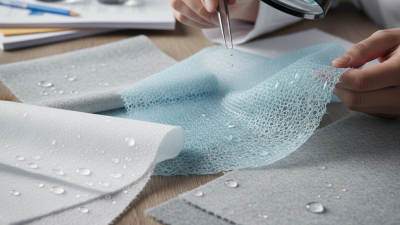
One notable feature of spunbonded nonwoven fabric is its strength. The continuous filaments provide a tear-resistant surface, which is critical for products like surgical gowns and masks. Additionally, it offers breathability, allowing moisture vapor to escape. The fabric is also resistant to chemicals and has a high resistance to water, making it suitable for outdoor applications.
However, there are some challenges associated with spunbonded nonwoven fabrics. They can be less biodegradable than traditional textiles, raising environmental concerns. Moreover, the production process requires careful handling to ensure quality. Over the years, industries need to focus on sustainability and explore alternatives to conventional methods. Innovating in this area will be essential for the future of spunbonded nonwoven fabrics.
Manufacturing Process of Spunbonded Nonwoven Fabric
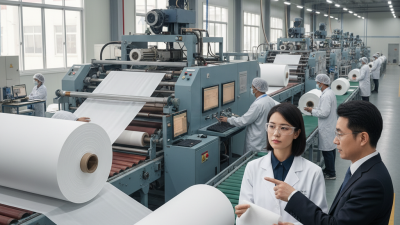
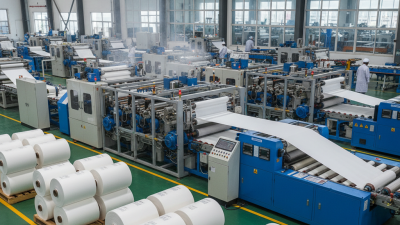
The manufacturing process of spunbonded nonwoven fabric is both intricate and fascinating. This technique primarily involves the formation of web-like structures using continuous filaments of thermoplastic polymers. Commonly, polypropylene is the favored material. The process begins with polymer pellets, which are melted and extruded through spinnerets. These spinnerets create fine filaments that are laid down onto a conveyor belt in a random pattern.
Once the fibers are laid out, they undergo bonding. This is typically achieved through heat and pressure, which causes the fibers to fuse together. The result is a durable and versatile fabric. The entire operation must be closely monitored for quality control. Small variations in temperature or pressure can lead to defects, which impact the final product's integrity. This aspect of production is critical for achieving the desired strength and durability.
Spunbonded nonwoven fabrics are used in various applications, from medical supplies to agricultural covers. They are often preferred for their lightweight properties and resistance to tearing. However, the reliance on chemical polymers raises environmental concerns. Manufacturers continuously explore sustainable alternatives, aiming to reduce their ecological footprint while maintaining quality standards. The balance between innovation and responsibility is an ongoing challenge in the industry.
Usage of Spunbonded Nonwoven Fabric in Various Industries
Applications of Spunbonded Nonwoven Fabric in Various Industries
Spunbonded nonwoven fabric plays a crucial role across various industries. Its unique properties, such as high strength and lightweight, make it ideal for numerous applications. The global nonwoven fabrics market was valued at approximately USD 50 billion in 2022 and is projected to grow steadily over the next few years. This growth highlights the increasing reliance of industries on spunbonded technology.
In the medical field, spunbonded nonwoven fabric is widely used for hygiene products like surgical gowns and masks. According to industry reports, the demand for such medical applications is expected to rise by about 8% annually. This reflects the heightened focus on health and safety. Moreover, the automotive sector integrates these fabrics for sound insulation and interior linings, enhancing vehicle comfort. Yet, challenges persist—such as ensuring consistent quality and recycling options for these materials.
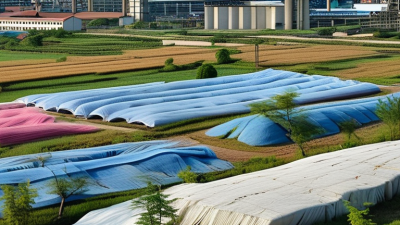
Additionally, the agricultural sector employs spunbonded nonwoven fabrics for weed control and crop protection. This usage contributes to sustainable practices, yet farmers sometimes express concerns about durability against natural elements. Data shows that while spunbonded fabrics significantly improve crop yield, their environmental impact requires ongoing examination. Balancing these benefits with sustainability remains a key challenge.
Advantages and Disadvantages of Using Spunbonded Nonwoven Fabric
Spunbonded nonwoven fabric is widely recognized for its unique properties. It is created by bonding fibers through a thermal or mechanical process, resulting in a robust and versatile material. This fabric finds applications across various sectors, including hygiene products, medical supplies, and construction due to its durability and lightweight nature.
One significant advantage of spunbonded nonwoven fabric is its ability to provide high tensile strength. This makes it suitable for products that require resilience, such as protective clothing and geotextiles. Additionally, it is often made from polypropylene, which is recyclable, contributing to increased sustainability. However, a downside is its limited biodegradability, posing environmental concerns.
Tips: When choosing spunbonded fabric, closely evaluate its weight and thickness. Thicker materials can offer better durability but may be less breathable. The cost can also vary widely, so weigh your budget against the product's intended use. Always consult industry reports, such as those from the Nonwovens Institute, to understand market trends and material innovations. Investing in quality spunbonded fabric can enhance the performance of your final products, reducing waste and improving efficiency.
Future Trends in Spunbonded Nonwoven Fabric Technology and Usage
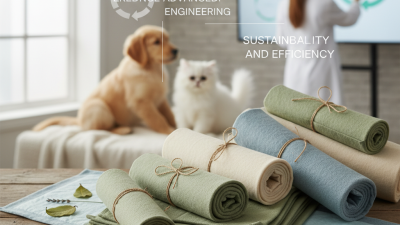
Spunbonded nonwoven fabric has gained popularity in various industries due to its versatility and cost-effectiveness. As technology evolves, several future trends are emerging that will shape its usage. One significant trend is the increased integration of sustainable materials. Manufacturers are exploring eco-friendly polymers to create biodegradable spunbonded fabrics. This shift arises from growing environmental awareness among consumers.
Another key development is the enhancement of fabric properties through advanced technology. Enhanced durability and waterproofing capabilities are becoming achievable without sacrificing breathability. This improvement opens new applications in the medical and construction sectors. Industries are seeking stronger, lighter materials that can resist harsh conditions.
Tips: When selecting spunbonded fabrics, consider their intended application. Think about the required durability and any specific certifications related to safety or environmental standards. As you weigh your options, reflect on the balance between performance and sustainability. This often requires careful evaluation of different sources and materials.
What is Spunbonded Nonwoven Fabric and How is it Used? - Future Trends in Spunbonded Nonwoven Fabric Technology and Usage
| Property |
Description |
Application Areas |
| Durability |
Strong and resistant to tearing and ripping |
GEOTEXTILES, construction, and industrial applications |
| Lightweight |
Easy to handle and transport |
Medical, hygiene products, and disposable items |
| Breathability |
Allows air and moisture to pass through |
Textiles, apparel, and medical applications |
| Cost-Effectiveness |
Lower production costs compared to woven fabrics |
Packaging, agriculture, and health sectors |
| Customization |
Can be produced in various thicknesses and compositions |
Consumer products, filters, and specialized applications |