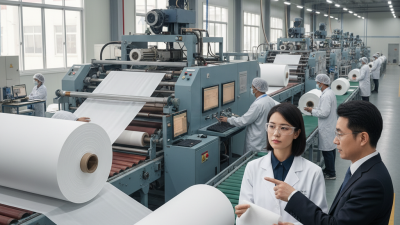
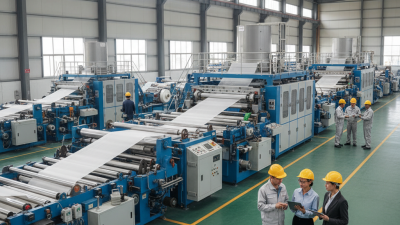
2026 How to Choose the Best Spunbond Non Woven Machine?
Choosing the right Spunbond Non Woven Machine is crucial for businesses in the non-woven fabric industry. With various options available, it can be overwhelming to make the best choice. The right machine affects product quality, efficiency, and cost-effectiveness. Focusing on specific requirements is essential.
When selecting a Spunbond Non Woven Machine, consider your production volume and the types of materials you intend to use. Each machine has unique features that cater to different needs. You want a machine that not only meets current demands but can also adapt to future changes.
While the technology is promising, it's important to remember that not all machines will be perfect for you. Some may have limitations in terms of speed or material flexibility. Assessing these factors critically can lead to smarter investments. A thoughtful choice today will help avoid regrets tomorrow.
Understanding Spunbond Non Woven Technology and Its Applications
Spunbond non woven technology has transformed various industries. It involves the continuous filament process, allowing for a lightweight, durable material. This technology is used for applications in hygiene products, agricultural covers, and packaging. Often, the production process highlights efficiency and scalability.
The unique characteristics of spunbond non woven fabrics include excellent breathability and liquid barrier properties. Industries continuously seek these materials because they are cost-effective and environmentally friendly. However, understanding the right specifications is crucial. Many operators fail to consider factors like fiber composition and density. These elements significantly impact the material’s strength and usability.
Choosing the best spunbond non woven machine requires careful consideration. Operators should consider their production needs, whether for large-scale or specialized products. Misjudgments can lead to higher costs and wasted resources. Engaging with experts in the field can provide clarity on selecting machines that meet specific requirements, enhancing overall productivity.
Key Features to Look for in a Spunbond Non Woven Machine
When selecting a spunbond non-woven machine, it's crucial to consider key features that enhance performance and reliability. One primary aspect is the production capacity. Machines with higher output rates allow businesses to meet increasing demands. This can lead to better efficiency in manufacturing processes. Additionally, consistent quality is essential. Look for machines that maintain uniform thickness and strength throughout the production.
Another important feature is the flexibility of material. Machines that can handle various polymers offer versatility. This flexibility can lead to innovations in product offerings. Moreover, ease of maintenance also plays a significant role. Operators should be able to perform regular checks and repairs without extensive downtime. Training for staff can improve machine handling.
Efficiency in energy consumption is often overlooked. Machines that require less power can significantly reduce operational costs over time. It's worth noting that investing in quality may mean higher upfront costs. Reflecting on long-term benefits is vital. Ultimately, understanding these features can lead to a more informed purchasing decision.
Evaluating Production Capacity and Efficiency of Machines
When choosing the best spunbond non-woven machine, evaluating production capacity is crucial. Different machines offer varying outputs. A machine's capacity often dictates how quickly and efficiently it can produce materials. It is essential to assess your specific production needs. Analyze the maximum output of potential machines. High-capacity machines can meet large orders but may require higher investments.
Efficiency plays a significant role in cost-effectiveness. Machines should not just produce quickly; they must do so without excessive waste. Consider energy consumption and material usage. While a machine may operate at high speeds, it is vital to measure how that speed affects overall efficiency. Regular evaluations can help identify areas for improvement.
Lastly, remember that even top machines have limitations. For instance, certain operating conditions can affect performance. Frequent maintenance may be required to keep efficiency high. Don't overlook user feedback for long-term insights into machine reliability and production quality. Every production line can benefit from refining choices based on real-world experiences and technical evaluations.
2026 Production Capacity and Efficiency of Spunbond Non Woven Machines
Comparing Material Compatibility and Quality Standards
When selecting a spunbond non-woven machine, material compatibility and quality standards are crucial considerations. Different materials, such as polypropylene and polyester, each exhibit unique properties. Polypropylene, for instance, is lightweight, cost-effective, and offers excellent moisture resistance. In contrast, polyester provides superior durability and strength. According to industry reports, the demand for polyester non-wovens is expected to grow by 6% annually through 2026.
Quality standards also play a significant role in machine selection. ISO 9001 certification is a benchmark that signifies a robust quality management system. Machines adhering to this standard often yield more consistent results. Additionally, machines must accommodate various thicknesses and weights of the non-woven fabric. Notably, some machines struggle to produce fabrics meeting stringent health and safety regulations. This discrepancy can lead to costly production errors and compliance failures.
A comprehensive understanding of these factors can guide manufacturers towards making informed decisions. However, the technology landscape is evolving rapidly. Many machines may lack versatility and struggle with emerging materials. Continuous evaluation of material trends and innovations is critical. Industry professionals should remain vigilant about machine capabilities to avoid potential setbacks.
Cost Considerations and Investment Returns for Manufacturing Equipment
When considering a spunbond non-woven machine, cost is a critical factor. The initial purchase price is just one component. Users must also account for operational costs, maintenance, and potential downtime. A lower-priced machine might lead to higher long-term expenses due to inefficiency or malfunctions.
Tip: Always estimate total cost of ownership. This includes energy consumption, labor, and materials. Understanding these factors helps you make a well-informed investment.
Return on investment (ROI) is equally important. Evaluate how quickly the machine can produce goods. Consider the quality of the output, as high-quality products can command better market prices. A reliable machine will pay for itself more swiftly through consistent production.
Tip: Look for machines with good reviews in terms of durability. Gather opinions from industry experts or peers who have similar equipment. Their insights can guide you to make a better purchasing decision.
It’s essential to reflect on what your specific needs are. Not every machine will meet every requirement. Take the time to analyze your production goals and market demands. Balancing upfront costs with long-term gains is crucial for sustainable manufacturing.
2026 How to Choose the Best Spunbond Non Woven Machine? - Cost Considerations and Investment Returns for Manufacturing Equipment
| Feature |
Specification |
Cost ($) |
Expected Output (kg/h) |
Return on Investment (Years) |
| Production Speed |
100 m/min |
50,000 |
200 |
2.5 |
| Power Consumption |
50 kW |
20,000 |
180 |
3.0 |
| Machine Weight |
5 tons |
30,000 |
160 |
2.7 |
| Material Width |
1600 mm |
40,000 |
220 |
2.2 |