Top 10 Benefits of Nonwoven Pillow Covers for Home Use?
In the ever-evolving world of home textiles, Nonwoven Pillow Covers stand out as a practical choice. Renowned expert Dr. Emily Hart, a leading researcher in textile technology, emphasizes, "Nonwoven materials revolutionize how we approach comfort and hygiene." These innovative pillow covers offer a blend of benefits that cater to modern lifestyles.
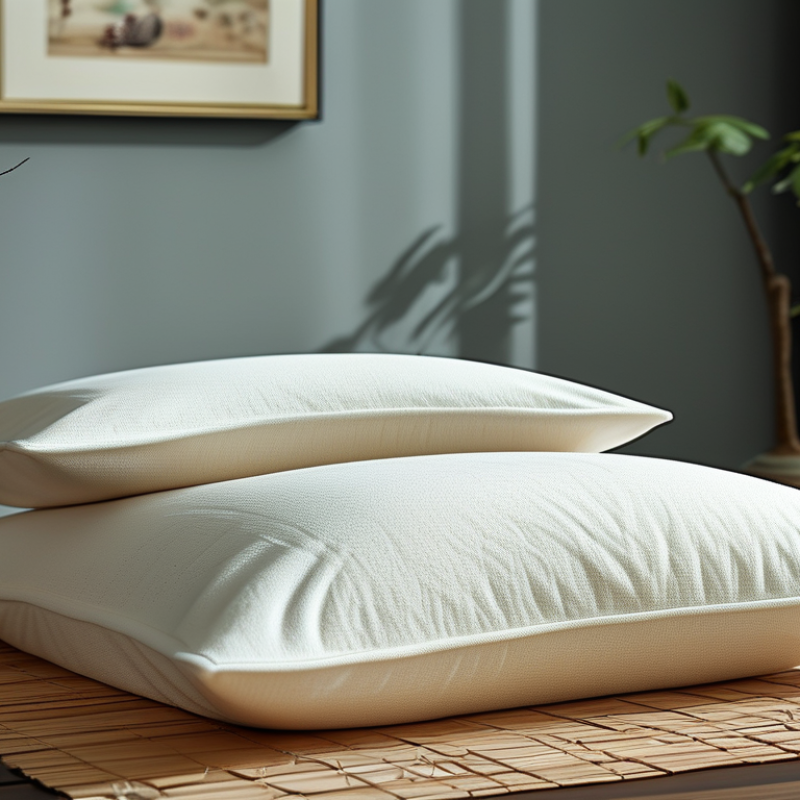
Nonwoven Pillow Covers are lightweight and breathable, making them suitable for everyday use. They resist water and stains, providing a practical solution for busy households. With their affordability, they are an accessible option for various budgets.
However, not all Nonwoven Pillow Covers are created equal. It’s crucial to select high-quality products to ensure durability and effectiveness. Some covers may lack breathability, leading to comfort issues over time. As the industry grows, consumers should stay informed about the best choices for their homes.
Benefits of Nonwoven Pillow Covers for Improved Hygiene in the Home
Nonwoven pillow covers are gaining popularity for their hygiene benefits in home environments. These covers are made from synthetic fibers that resist bacteria and allergens. Unlike traditional fabrics, nonwoven materials can repel dust mites, pet dander, and even mold spores. This can lead to a significant reduction in respiratory problems. People with allergies or asthma can find relief by using these covers.
In addition to their protective qualities, nonwoven pillow covers are lightweight and breathable. They promote air circulation, which helps to keep pillows fresh. Regular washing of traditional pillowcases can be a hassle. Nonwoven covers often require less frequent washing, saving time and energy. They can be easily disposed of or recycled, making them eco-friendly.
However, not all nonwoven covers are created equal. Some may not offer the same level of protection as others. It’s essential to research and ensure the right choice is made. The comfort level of nonwoven materials can vary significantly. It’s worth testing different options to find what feels best. Overall, these covers provide an excellent improvement in hygiene for the home.
Top 10 Benefits of Nonwoven Pillow Covers for Home Use
| Benefit |
Description |
| Improved Hygiene |
Nonwoven pillow covers prevent the accumulation of dust mites, allergens, and bacteria, promoting a cleaner sleeping environment. |
| Breathability |
These covers allow air circulation while keeping moisture at bay, enhancing comfort during sleep. |
| Water Resistance |
Nonwoven materials can repel water, providing extra protection against spills and accidents. |
| Cost-Effective |
Affordable compared to traditional pillow covers, they offer an economical option for home use. |
| Lightweight |
Their lightweight nature makes them easy to handle and change, adding convenience to cleaning routines. |
| Hypoallergenic |
Made from non-toxic materials, they are suitable for allergy sufferers and sensitive individuals. |
| Durability |
Nonwoven covers are resistant to wear and tear, providing long-lasting use without losing functionality. |
| Easy to Dispose Of |
These covers can be easily disposed of when damaged or soiled, making it simple to maintain hygiene. |
| Versatile Use |
Suitable for various settings, including homes, hotels, and healthcare facilities. |
| Stylish Variety |
Available in numerous colors and designs, they can match any home decor while offering functionality. |
Durability and Longevity: Why Nonwoven Materials Outlast Traditional Fabrics
Nonwoven pillow covers stand out for their durability and longevity. Unlike traditional fabrics, which can wear thin quickly, nonwoven materials resist fraying and fading. A study by the Nonwoven Fabric Industry Association shows that nonwoven fabrics can last up to four times longer than conventional cotton covers. This increased lifespan means fewer replacements over time, creating less waste.
These materials are engineered to withstand various challenges. They repel moisture, reducing the risk of mold and mildew, common issues with traditional textiles. Nonwoven covers also resist stains effectively, making them a practical choice for families with children or pets. In addition, the breathability of these materials helps maintain a comfortable sleeping environment.
However, it is worth noting that the environmental impact of nonwoven production often raises questions. Some manufacturing processes can be energy-intensive. Evaluating the balance between longevity and sustainability is crucial for informed decisions. While nonwoven pillow covers provide significant advantages, consumers should weigh their choices thoughtfully. Considering both durability and environmental footprint leads to better home textile decisions.
Cost-Effectiveness of Nonwoven Pillow Covers Compared to Other Options
Nonwoven pillow covers provide a cost-effective solution for home use.
These covers, made from synthetic fibers, are generally cheaper than traditional fabric options.
They offer durability without sacrificing comfort. Their lightweight nature makes them
easy to clean and maintain, which can save families money over the long term. Many homeowners appreciate this practical
approach to bedding.
While the initial savings are attractive, it's important to consider the longevity of nonwoven materials.
In some cases, they may not last as long as cotton or linen. However, for those on a budget, this trade-off can be acceptable.
Many individuals find that the ease of use and affordability make them a worthwhile investment.
Additionally, nonwoven covers often provide enhanced hygiene. They can be disposed of or recycled after wear, reducing
laundry costs and chemical usage. This feature aligns with sustainable practices,
appealing to eco-conscious consumers. Yet, some might feel a sense of loss when choosing disposable over reusable options.
This choice reflects a modern dilemma in balancing convenience and environmental responsibility.
Versatility and Style: How Nonwoven Covers Enhance Home Decor
Nonwoven pillow covers bring a refreshing touch to home decor. Their unique texture and variety of colors offer stylish options for any living space. In a recent report, the global nonwoven fabrics market was valued at approximately $40 billion and is expected to grow, indicating strong consumer demand for innovative textiles. This growth reflects a shift in preference toward practical yet aesthetically pleasing home products.
Beyond style, nonwoven covers are designed for versatility. They can be used in various settings, from traditional homes to modern apartments. Research shows that homes using diverse decor elements can enhance overall visual appeal. Nonwoven materials are often lightweight, making it easy to switch them out according to seasonal trends or personal preferences. This adaptability allows homeowners to refresh their decor without extensive renovations.
However, it's important to note that not all nonwoven fabrics are created equal. Some may lack durability or washability. Selecting quality materials is crucial. A poorly made cover can detract from your home's visual harmony. Ensuring the right balance between cost and quality can be challenging. Always assess materials carefully to find options that combine style with reliability.
Eco-Friendliness of Nonwoven Pillow Covers: A Sustainable Choice for Homes
Nonwoven pillow covers are gaining attention for their eco-friendliness. These covers are made from synthetic fibers that require less energy in production. According to a 2021 report by the Global Nonwoven Fabrics Association, the nonwoven fabric market is projected to reach $50 billion by 2025, highlighting the growing demand for sustainable products.
Choosing nonwoven materials can significantly reduce waste. Traditional fabric production generates more pollution and requires more resources. In contrast, nonwoven textiles are often made from recycled materials. They can be recycled after use, promoting a circular economy. The National Institute of Standards and Technology estimates that nonwoven materials often use 50% less energy compared to woven fabrics. This is an appealing choice for environmentally-conscious consumers.
However, buyers should be mindful of the manufacturing processes. Not all nonwoven fabrics are created equal. Some may use harmful chemicals that negate their benefits. It’s important to seek certifications or eco-labels when selecting these products. Understanding the materials and their implications is crucial for making truly sustainable choices.