Why Choose SS Nonwoven Machine for Your Manufacturing Needs?
In today's fast-paced manufacturing landscape, the choice of machinery is crucial. The "SS Nonwoven Machine" has emerged as a popular option among manufacturers aiming for efficiency and quality. Renowned industry expert, Dr. Emily Chen, states, "Choosing the right nonwoven machine can transform your production line efficiency." Her insight reflects the significant impact this machine can have on manufacturing output.
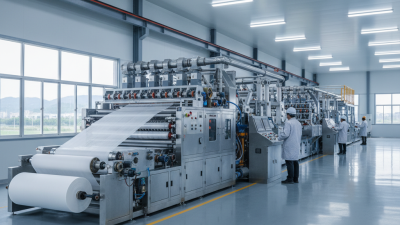
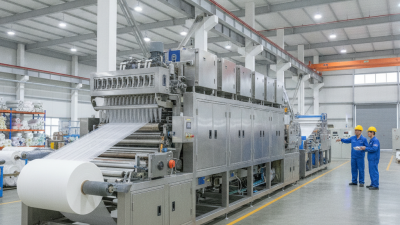
SS Nonwoven Machines are known for their versatility. They produce various nonwoven fabrics suitable for diverse applications. These machines are designed to meet modern production demands, ensuring reliability and consistency. However, some manufacturers may overlook the importance of adapting their processes to fully leverage these machines. The commitment to innovation remains essential.
Investments in SS Nonwoven Machines must be balanced with careful planning. While the machines offer advanced features, understanding their operation is key to maximizing potential. Manufacturers should ensure proper training and maintenance for optimal performance. This awareness can lead to improved production quality and operational success.
Benefits of Using SS Nonwoven Machines in Manufacturing
Choosing SS nonwoven machines can significantly enhance your manufacturing process. These machines offer various benefits. They produce high-quality nonwoven fabrics with excellent consistency. This reliability ensures better end products and customer satisfaction.
Using these machines often leads to reduced production costs. Their efficiency minimizes material waste, which is vital for both budget and environmental impact. Additionally, with advanced technology, they allow manufacturers to adapt quickly. You can switch between different fabric types smoothly, catering to diverse market needs.
Tip: Regular maintenance is essential for optimal performance. Ensure your machine is serviced periodically to prevent unexpected downtimes.
Another advantage of SS nonwoven machines is flexibility in production. They can create various fabric types, from lightweight to heavy-duty. This means you can meet diverse customer demands without needing multiple machines.
Tip: Monitor your production process closely. Small inefficiencies can accumulate, leading to larger issues over time. Adjustments may be necessary, and staying proactive can save resources.
Key Features of SS Nonwoven Machines
When considering manufacturing needs, SS nonwoven machines stand out due to their innovative features. These machines are designed for efficiency and versatility. They use a variety of materials and processes, allowing manufacturers to produce diverse nonwoven fabrics. According to industry reports, the global nonwoven fabric market is projected to reach USD 50 billion by 2025, indicating a growing demand for reliable production machinery.
The key features of SS nonwoven machines include automation and advanced technology. Automation minimizes human error and maximizes productivity. Modern machines can operate continuously with minimal downtime. Reports suggest that automated systems can improve output by up to 30%. Furthermore, these machines often come with user-friendly interfaces, allowing operators to easily monitor and adjust settings.
Another notable feature is adaptability. SS nonwoven machines can handle various raw materials, ensuring flexibility in production. This adaptability becomes crucial as market demands shift. However, reliance on a single type of machine may pose risks if trends change. Manufacturers must remain vigilant about advancements and be prepared to adapt their equipment. Such strategic considerations will help ensure sustained success in the competitive nonwoven fabric industry.
Comparison of SS Nonwoven Machines with Other Technologies
SS nonwoven machines stand out when compared to traditional technologies like spunbond or meltblown. They offer flexibility in production and ease of operation. The ability to produce a variety of nonwoven fabrics makes SS machines highly preferred for diverse applications.
When assessing the efficiency of these machines, one must consider the energy consumption. Some SS machines use less energy than their counterparts. However, potential users should recognize that this efficiency can vary. An upfront investment in SS technology might reflect good returns over time, but initial costs can be daunting for some manufacturers.
Tip: Always evaluate your production needs before investing. This clarity can save you money and time.
SS machines also have unique maintenance requirements compared to other systems. Unlike spunbond machines, SS nonwoven machines might need more frequent checks. Understand these differences before making a decision. A smart operator should stay informed about these nuances.
Tip: Regular training for staff can enhance operational efficiency. It’s a worthwhile investment.
Applications of SS Nonwoven Machines in Different Industries
SS Nonwoven Machines play a crucial role in various industries. Their versatility makes them ideal for sectors such as healthcare, automotive, and agriculture. In the healthcare field, these machines produce vital materials like surgical gowns and masks. The nonwoven fabrics created are breathable, durable, and crucial for infection control. Hospitals rely on these products to ensure safety during patient care.
In the automotive industry, SS Nonwoven Machines contribute to manufacturing interior components. These materials offer excellent thermal insulation and sound absorption. By utilizing nonwoven technology, manufacturers can achieve weight reduction in their vehicles. However, the challenge lies in balancing material cost with performance. This requires ongoing innovation and improvement.
Agriculture also benefits significantly from these machines. Nonwovens are used as geotextiles, enhancing soil stability and water retention. They help in protecting plants and crops from weeds and pests. Despite their benefits, not all nonwoven applications are perfect. Some products may lack biodegradability, raising environmental concerns. Industries are urged to reflect on these issues and strive for eco-friendly solutions.
Cost-Effectiveness of SS Nonwoven Machines for Manufacturers
When it comes to manufacturing nonwoven products, the choice of machinery can significantly influence operational costs. SS nonwoven machines stand out for their cost-effectiveness. Their design allows manufacturers to maximize production while minimizing raw material waste. By using advanced technology, these machines often require less energy, leading to reduced utility bills.
Operational efficiency is another crucial factor. SS nonwoven machines tend to operate at higher speeds, which means more output in less time. This productivity can lead to better profit margins. However, the initial investment may seem daunting. Businesses must consider long-term savings versus upfront costs. Each manufacturer needs to assess their unique requirements. Careful analysis can reveal whether the investment aligns with their goals.
It is essential to keep in mind that not all machines are perfect. Some models may struggle with different material types. This can result in trial and error during setup. Manufacturers must invest time in training operators. Ensuring proper use of the machines is vital for achieving the desired outcomes. Continuous evaluation of performance helps in maximizing the potential benefits.