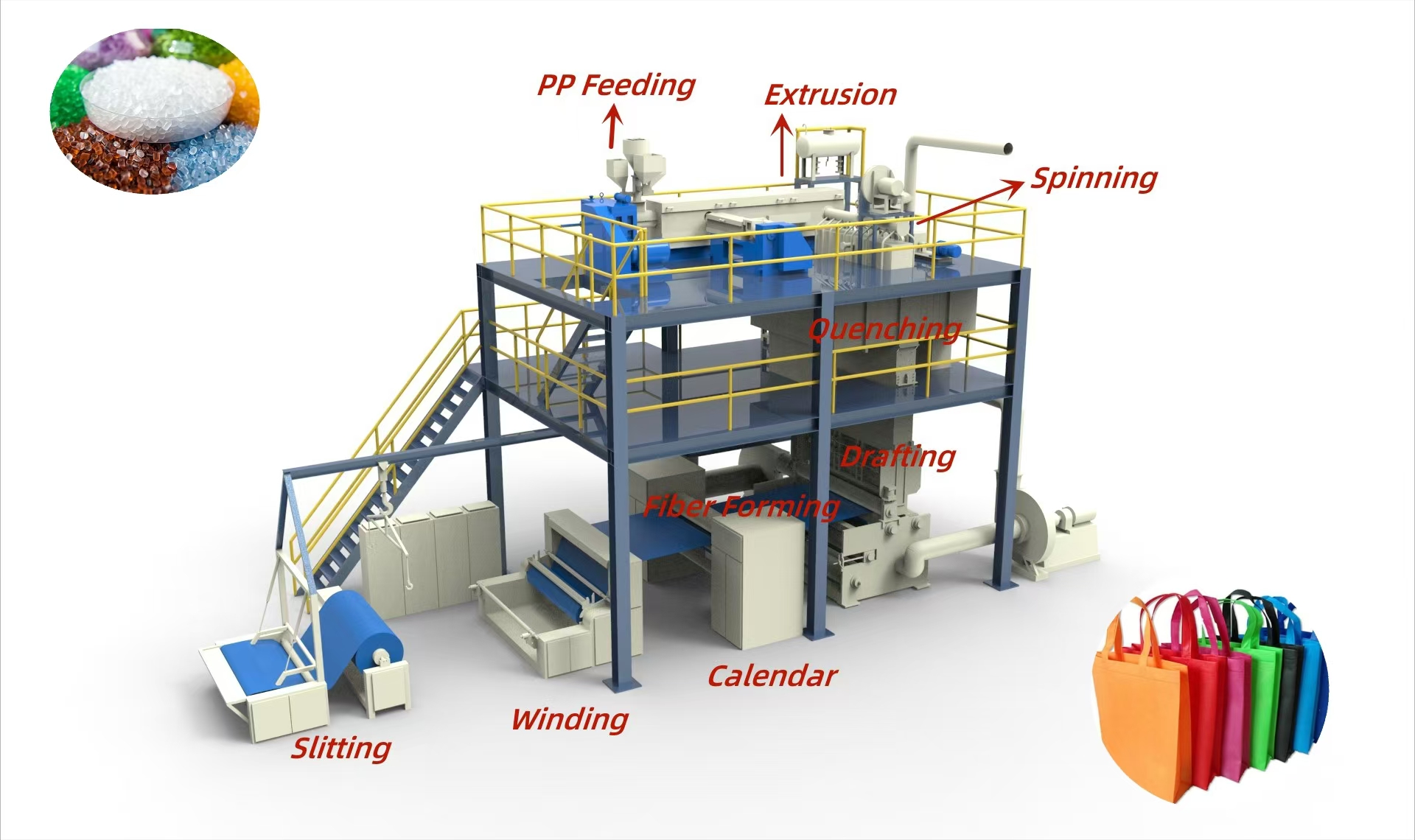
What is a PP Spunbond Non-Woven Fabric Machine
In today’s fast-paced industrial sector, efficiency, sustainability, and cost-effectiveness have become major priorities. For businesses involved in manufacturing Non-Woven Fabrics, these goals are achieved through advanced machinery like thePP spunbond non-woven fabric machine. But what exactly is this machine, what does it do, and why is it crucial for the production process? In this article, we will break it all down for you and answer key questions about this revolutionary equipment.
Understanding Polypropylene Spunbond Non-Woven Fabric
Before diving into the machinery, let’s first understand the material it helps to produce. Polypropylene Spunbond non-woven fabric is a type of durable and flexible textile made by bonding polymer filaments together. Unlike traditional fabrics that are woven or knitted, non-woven fabrics are created through methods like entangling and bonding, allowing for exceptional strength and versatility.
These fabrics are widely used in a variety of industries, including medical (e.g., face masks, surgical gowns), agriculture (e.g., crop covers), packaging, construction, and furniture upholstery, owing to their lightweight, breathable, and environmentally-friendly properties.
What is a PP Spunbond Non-Woven Fabric Machine?
A Pp Spunbond non-woven fabric machine, also known as a polypropylene spunbond machine, is specialized equipment designed to produce spunbond non-woven fabrics from polypropylene. The machine transforms raw polypropylene into continuous filaments through processes like extrusion, stretching, and web-forming, followed by bonding the filaments to form a uniform, fabric-like material.
These machines come in different configurations, including single-beam (S), double-beam (SS), and triple-beam (SSS) variations, depending on the production output and fabric quality required. Advanced machines incorporate cutting-edge technology, such as automated controls, energy-efficient heating systems, and high-precision designs to ensure optimal performance.
Benefits and Applications of Using a PP Spunbond Non-Woven Fabric Machine
The adoption of PP spunbond non-woven fabric machines yields numerous advantages:
- Cost Efficiency: These machines minimize waste and optimize resource usage, making manufacturing more economical.
- Customizability: They offer options to produce non-woven fabrics with various weights, textures, colors, and other properties to meet specific industry requirements.
- High-Speed Production: With advanced designs, these machines can rapidly produce large volumes of fabric, meeting high market demand without compromising quality.
- Eco-Friendliness: Modern machines are designed to minimize energy consumption and can even support biodegradable raw materials for sustainable production processes.
Applications for fabrics produced by spunbond machines are vast. From medical protection gear to disposable items such as shopping bags, these fabrics play an integral role in daily life and industrial operations.
How Does the PP Spunbond Non-Woven Fabric Machine Work?
Here’s a simplified breakdown of how the machine operates:
- Raw polypropylene granules are melted and then extruded into filaments through a spinneret.
- The filaments are drawn and stretched to increase strength and reduce the size of the fibers.
- The fibers are laid onto a moving conveyor belt to form a fabric web.
- The web is bonded together using thermal, mechanical, or chemical methods to create the non-woven material.
- The finished fabric is wound into rolls and prepared for shipment or further processing.
Factors to Consider When Choosing a PP Spunbond Non-Woven Fabric Machine
Investing in a high-quality machine ensures consistent output and long-term reliability. Here are a few factors to evaluate before making a purchase:
- Production Capacity: Ensure the machine meets your production volume requirements (e.g., S, SS, or SSS configurations).
- Automation Level: Highly automated machines can reduce labor costs and improve production speed.
- Energy Consumption: Look for energy-efficient models to lower operating expenses.
- Customization Capabilities: Choose machines that allow for adjustments in fabric weight, thickness, and design.
- PP Spunbond Non-Woven Fabric Machine Price: The cost of the machine may vary based on the model, technology, and configuration. Generally, prices can range from tens of thousands to several hundred thousand dollars.
- Manufacturer Support: Opt for a reliable factory or supplier with robust technical support and after-sales service.
The PP spunbond non-woven fabric machine is a cornerstone of modern manufacturing, enabling the efficient production of versatile and high-performance fabrics crucial for numerous industries. Whether you’re seeking to manufacture medical products, agricultural materials, or consumer goods, investing in a high-quality machine from a trusted factory can elevate your productivity and profitability. By understanding its functionality, benefits, and customizable options, you are better equipped to make an informed decision that meets your unique business needs.