2026 Best Ss Spun Bond Non Woven Machine for Efficient Production?
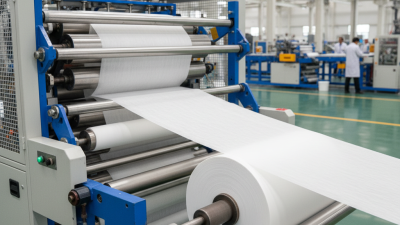
The production of non-woven fabrics is rapidly evolving. The demand for efficient manufacturing is rising. This has led to increased interest in the "Ss Spun Bond Non Woven Machine." This machine stands out for its ability to streamline production processes.
Industries are turning to this technology for several reasons. The Ss Spun Bond Non Woven Machine offers precise control over fabric quality. It provides high output rates while minimizing waste. The combination of speed and efficiency makes it a favorite among manufacturers. Despite its advantages, some users report a steep learning curve.
Investing in advanced machinery requires careful consideration. It's vital to assess not just the initial cost but also maintenance and operational efficiency. Choosing the right machine is crucial for long-term success. While the Ss Spun Bond Non Woven Machine shows great promise, manufacturers must remain adaptable. Continuous improvement and adjustment are necessary to fully realize its potential.
Overview of Spun Bond Non Woven Technology
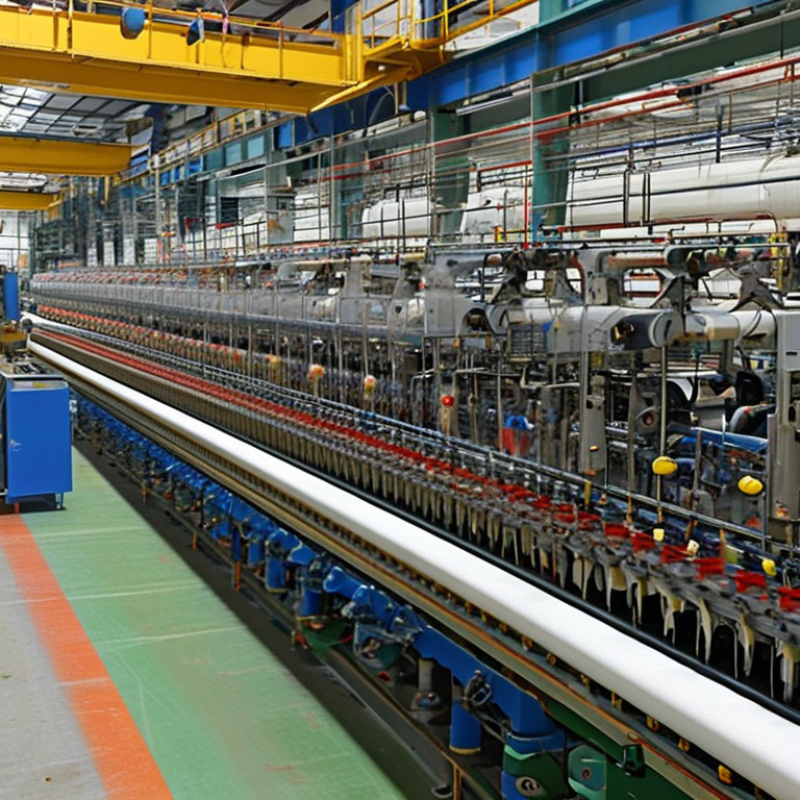
Spun bond non woven technology plays a crucial role in various industries, including hygiene products and medical applications. This method involves the extrusion of polymers, which are then processed into a web-like structure. The production process is efficient, resulting in a high-quality material suitable for numerous applications. Operators need to understand this technology to optimize production.
When selecting a spun bond non woven machine, consider the unit's output capacity. The right machine should align production goals with efficiency standards. Maintenance practices are vital too. Regular checks can prevent unexpected downtimes. Investing in training for staff enhances operation knowledge and ensures safety.
Tips: Keep the workspace organized. An efficient layout promotes smooth operations. Track production metrics closely to identify areas for improvement. Engage with industry experts to stay updated on advancements. Emphasizing continuous learning can lead to better decision-making in production processes.
Key Features of the 2026 Best Ss Spun Bond Non Woven Machine
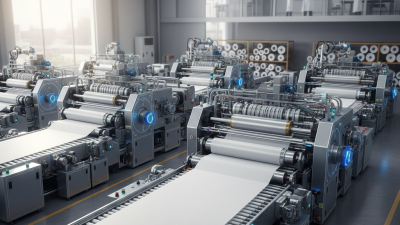
When considering the features of the 2026 Best SS Spun Bond Non Woven Machine, efficiency is a primary focus. This machine is designed to optimize production processes. Specifically, its advanced technology allows for reduced energy consumption, helping manufacturers cut costs. Recent industry reports indicate that energy-efficient machines can decrease operational costs by up to 30%. This efficiency is crucial for industries looking to maintain competitive pricing.
Another notable aspect is the machine's versatility. It supports various materials, enabling the production of different non-woven products. Industry findings suggest that machines with flexible configurations can enhance production lines, accommodating diverse manufacturing needs. However, whitespace management in production schedules remains a challenge. Manufacturers must navigate downtime carefully to prevent losses.
Ease of maintenance is also a critical feature. Machines that require less frequent service can significantly improve uptime. Technical data shows that equipment with streamlined maintenance processes can operate 20% longer before needing repairs. This durability is vital in maintaining continuous production and meeting market demands. Yet, it is essential for operators to balance maintenance requirements with production goals to ensure optimal performance.
Efficiency Improvements in Production Processes
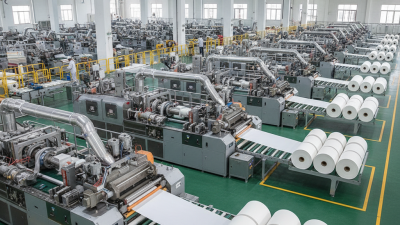
The non-woven fabric industry is evolving rapidly. Efficiency is key to staying competitive in production. Many manufacturers are focusing on upgrading their machinery to meet market demands. Reports indicate that automating production processes can improve efficiency by up to 30%. This significant leap in performance is crucial for staying relevant in a fast-paced market.
Using advanced spunbond technology can lead to better material utilization. Recent studies show that optimized processes reduce waste by nearly 15%. This drives down production costs and boosts profitability. By investing in better machines, companies can significantly enhance their output. However, the transition to new technologies can be challenging.
Tips: Regular training for operators can maximize equipment performance. Investing in preventive maintenance ultimately saves money. Frequent assessments of production lines can uncover hidden inefficiencies. Embracing these practices ensures the machine operates at peak performance, aligning with industry standards.
2026 Best Ss Spun Bond Non Woven Machine for Efficient Production
| Model |
Production Capacity (kg/h) |
Energy Consumption (kWh) |
Maintenance Frequency (Months) |
Noise Level (dB) |
Automation Level (%) |
| Model A |
200 |
50 |
6 |
75 |
90 |
| Model B |
250 |
45 |
4 |
70 |
95 |
| Model C |
150 |
60 |
8 |
80 |
85 |
| Model D |
300 |
40 |
5 |
65 |
92 |
Comparative Analysis of Leading Non Woven Machines
The demand for non-woven fabrics is increasing. In 2023, the global non-woven fabric market was valued at approximately $34 billion, with projections indicating growth to over $50 billion by 2026. Efficiency in production is critical for manufacturers. As they seek to enhance output, evaluating leading non-woven machines becomes essential.
Comparative analysis shows various machines excel in specific aspects. For instance, some provide faster production rates, reaching up to 200 meters per minute. Others focus on energy efficiency, reducing consumption by nearly 30%. This is vital for cost management. Factors such as maintenance requirements and user-friendliness also play a pivotal role in machine selection. A well-documented efficiency study indicated that improper machine setup could lead to a 15% drop in production efficiency.
However, challenges remain. Machine longevity and reliability are significant concerns. Data reveals that over 20% of manufacturers report increased downtime due to technical issues. Proper training and ongoing support are necessary to mitigate these risks. It's clear that while advancements in technology are promising, real-world applications still face hurdles that need addressing for optimal productivity.
Future Trends in Non Woven Fabric Manufacturing
The non-woven fabric manufacturing industry is poised for significant evolution. According to recent market analysis, the projected growth rate for non-woven fabrics from 2022 to 2027 is about 7.5% annually. This growth reflects increasing demands in hygiene products, medical applications, and sustainable materials. As industries aim for eco-friendly solutions, innovations in biodegradable and recyclable non-woven fabrics are on the rise.
Emerging trends emphasize automation and advanced machinery for production efficiency. Manufacturers are investing in advanced spun bond technology to enhance output and reduce waste. The integration of AI in machine operations is gaining traction. This allows for real-time monitoring and data analytics, leading to better quality control and reduced downtime. The industry must source materials responsibly, addressing concerns over landfill impact and resource usage.
Despite these advancements, challenges remain. The shift to sustainable materials requires an overhaul of existing processes, which can be daunting. Companies struggle with the cost implications tied to new technologies. Balancing efficiency with environmental responsibility will be crucial for future growth. Decision-makers need to weigh these complexities to stay competitive. As trends unfold, the path forward will call for a careful blend of innovation, sustainability, and industry collaboration.