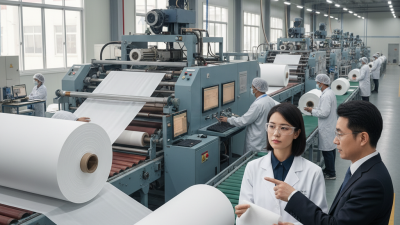
2026 How to Use Spunbond Non Woven Fabric in Multiple Applications?
Spunbond Non Woven Fabric is revolutionizing various industries. Its versatility allows it to be used in applications ranging from agriculture to healthcare. According to recent reports, the global nonwoven fabric market is projected to reach USD 52.7 billion by 2026. This growth emphasizes the rising demand for spunbond technology.
The material's properties, such as durability and breathability, make it suitable for disposable surgical gowns, diaper layers, and agricultural covers. Studies indicate that spunbond non woven fabric contributes to reducing waste in packaging and automotive applications. However, challenges remain in developing recyclable options to meet sustainability goals.
Experts stress that understanding the various applications of spunbond non woven fabric is crucial. Users must consider the environmental impact of their choices and the evolving market trends. As industries adapt, there is still much to learn about optimizing the use of this innovative material.
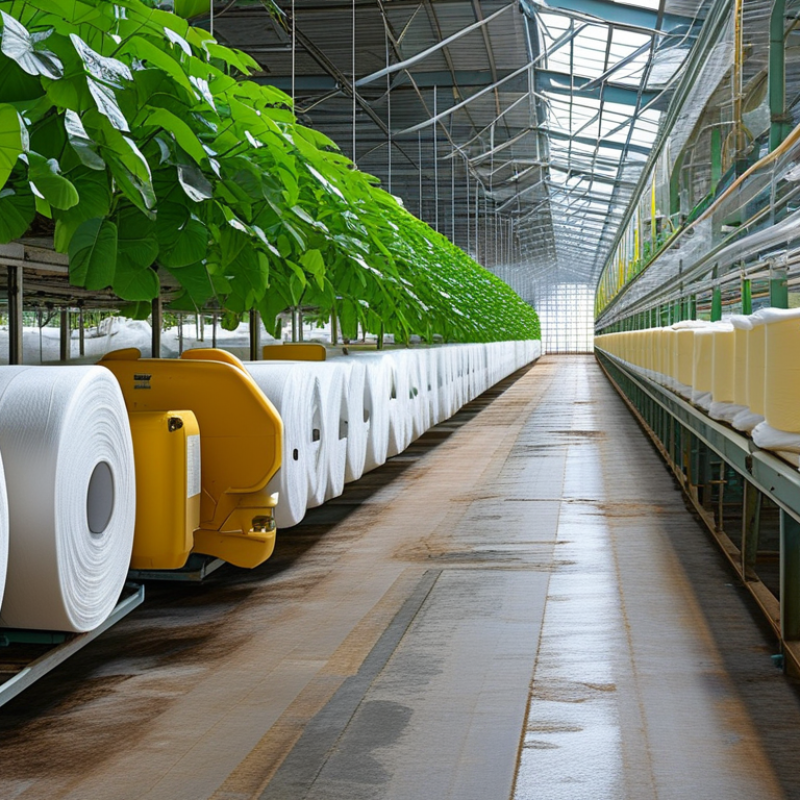
What is Spunbond Non-Woven Fabric and Its Key Characteristics?
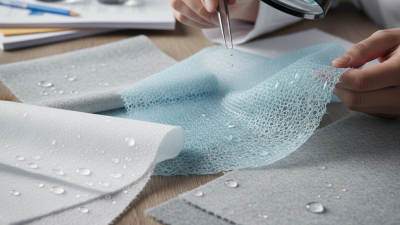
Spunbond non-woven fabric is a versatile material used in various applications. This fabric is made from continuous filaments, giving it strength and durability. Its unique properties include breathability, lightweight nature, and resistance to tears. These characteristics make it ideal for products ranging from medical fabrics to lifestyle items.
One key benefit of spunbond fabric is its recyclability. This quality aligns with growing environmental concerns. However, not all spunbond products are biodegradable. It’s essential to understand the specific types before using them in eco-friendly applications. Always check the material specifications.
**Tips:** Consider using spunbond fabric in gardening. It acts as a protective layer for plants. It’s lightweight yet strong, ensuring good air circulation. Also, when designing or crafting, test small samples first. This step helps you understand how the fabric behaves with different techniques. Experimentation is key to achieving desirable results.
Advantages of Using Spunbond Non-Woven Fabric in Various Industries
Spunbond non-woven fabric has gained popularity across various industries due to its unique advantages. This lightweight material offers excellent breathability, durability, and resistance to tears and chemicals. According to a report by Smithers Pira, the global market for non-woven fabrics is projected to reach approximately $50 billion by 2026, highlighting its growing importance.
In the medical field, spunbond fabrics are widely used in surgical gowns and masks, providing protection while maintaining comfort. With an increasing demand for hygiene and safety, these fabrics are crucial in reducing contamination risks. The agricultural sector also benefits from spunbond fabrics. They are used in crop covers to protect against pests and extreme weather.
Tip: When selecting spunbond non-woven fabric, consider its weight and thickness for specific applications. Thicker fabrics often provide better durability, but lighter fabrics are more suitable for applications requiring breathability.
Furthermore, the environmental aspects of spunbond fabrics should not be overlooked. While they are often recyclable, the production process can have ecological impacts. Therefore, choosing sustainable options is essential. Explore certifications before making a decision, as they reflect commitment to eco-friendly practices.
Advantages of Using Spunbond Non-Woven Fabric in Various Industries
Common Applications of Spunbond Non-Woven Fabric in Manufacturing
Spunbond non-woven fabric has gained popularity in various manufacturing sectors. Its lightweight and durable properties make it ideal for multiple applications. One common use is in the production of disposable medical products, such as surgical gowns and masks. These items help maintain hygiene and protect against contaminants, essential in healthcare settings.
Another application is in the automotive industry. Spunbond fabric is often used for insulation and soundproofing materials. Car manufacturers appreciate its performance in reducing noise and vibrations. However, care must be taken with the selection of fabric grades, as not all spunbond fabrics perform equally under various conditions.
Additionally, spunbond non-woven fabric finds its place in the fashion and apparel industry. It serves as interfacing material to provide structure and support in garments. Some designers struggle with the right fabric weight, impacting the final product's appearance. Finding the balance between structure and comfort is key, yet it remains a challenge.
Guidelines for Selecting the Right Spunbond Non-Woven Fabric Type
When selecting spunbond non-woven fabric, consider key factors influencing application. The fabric's composition, weight, and fiber properties significantly impact performance. For instance, polypropylene is widely used due to its durability and resistance to various chemicals.
Industry reports show that the global market for non-woven textiles reached $35 billion in 2021, reflecting a strong demand across sectors.
Thickness is crucial for applications like medical gowns or agricultural covers. Choose fabrics between 30 to 120 grams per square meter (gsm) based on the required strength. A study from a textile research institute indicates that fabrics over 80 gsm provide greater barrier protection, essential in healthcare. However, thicker fabrics may reduce breathability, which is a downside to consider.
Keep recyclability in mind. Many non-woven fabrics are not biodegradable, raising environmental concerns. Some manufacturers attempt to address this by producing recycled options. However, these can vary widely in quality and availability. Validate the source and performance data before purchasing. Careful selection ensures that the fabric meets the necessary standards for your application, balancing functionality and environmental impact.
Tips for Proper Care and Maintenance of Spunbond Non-Woven Products
Spunbond non-woven fabrics have many applications, but proper care and maintenance are essential for longevity. These fabrics are durable and resistant to wear, making them popular in various industries. According to recent industry reports, the global market for non-woven fabrics is expected to exceed $50 billion by 2026. This increase signifies a growing reliance on these materials, emphasizing the need for effective maintenance practices.
To extend the life of spunbond products, regular cleaning is crucial. When cleaning, avoid strong chemicals as they can degrade the fabric. Instead, use mild detergents and cold water for washing. Avoid high heat settings when drying, as this can cause shrinkage. It's also essential to store these fabrics in a cool, dry place. Humidity can lead to mold growth, which damages the material.
Despite their resilience, spunbond fabrics can show signs of wear over time. Users may notice pilling or fading after extended use. Prompt action can prevent further deterioration. Consider rotating the use of different items to minimize wear on heavily used products. By adopting these care strategies, users can ensure long-lasting performance and functionality of spunbond non-woven fabrics.
2026 How to Use Spunbond Non Woven Fabric in Multiple Applications? - Tips for Proper Care and Maintenance of Spunbond Non-Woven Products
| Application |
Key Features |
Care Tips |
Maintenance Frequency |
| Gardening |
UV resistance, breathable |
Rinse with water, avoid harsh chemicals |
Monthly |
| Medical |
Hygienic, lightweight |
Single-use, dispose properly |
Per use |
| Fashion |
Versatile, customizable |
Spot clean, avoid excessive moisture |
As needed |
| Home Décor |
Durable, attractive |
Dust regularly, avoid direct sunlight |
Bi-monthly |
| Industrial |
Strong, tear-resistant |
Inspect regularly, replace as needed |
Quarterly |