How to Choose the Right Spunbond Non Woven Fabric?
Choosing the right Spunbond Non Woven fabric begins with the application, not the lowest quotation. A surgical gown, crop cover, mattress liner, and shopping bag require different structures. Basis weight, fiber diameter, tensile strength, elongation, air permeability, and liquid resistance must match the end use.
Industry data shows why this decision matters. INDA’s Global Nonwoven Markets Report 2024 estimated global nonwoven production at approximately 14.7 million tonnes in 2023. Smithers also reported continued growth in global nonwovens demand, supported by hygiene, medical, filtration, construction, and transportation applications. These figures describe a large market, but they do not identify the correct fabric for every project.
Dr. Behnam Pourdeyhimi, executive director of The Nonwovens Institute, has observed, “Nonwovens are everywhere, but they are often invisible.” That simple idea deserves attention. Fabric performance may remain unnoticed until a seam tears, moisture passes through, or airflow becomes uncomfortable.
A reliable selection process should compare supplier test reports with recognized methods, including ISO 9073 and relevant ASTM standards. Ask for production samples. Test them under realistic humidity, pressure, temperature, and handling conditions. A laboratory result can look excellent. Field performance may disagree.
This guide examines polymer choice, basis weight, web uniformity, bonding technology, color stability, certification, and supply consistency. It also considers cost over the product’s life cycle. The cheapest roll may create higher waste. That possibility is easy to overlook. Good decisions combine technical evidence, supplier experience, and honest review of the application’s weaknesses.
Understanding Spunbond Non Woven Fabric
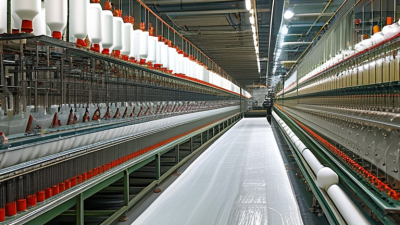
Spunbond non woven fabric is made from continuous polymer filaments, not woven yarns. The filaments are extruded, stretched, arranged into a web, and bonded with heat. This structure creates a light, strong, and breathable sheet. It also allows efficient production for many practical applications. The fabric may be white, colored, laminated, treated, or patterned.
Choosing the right material starts with its intended use. Check the basis weight, usually measured in grams per square meter. Higher weight often improves coverage and strength, but it can reduce softness and airflow. Consider tensile strength, elongation, tear resistance, and surface feel. For moisture-sensitive applications, hydrophilic treatment may help. For outdoor use, ultraviolet resistance deserves careful attention. Small details matter.
In production checks, I examine both sides of the roll. Uneven texture, loose edges, or weak bonding can signal process problems. A sample may look excellent but fail after folding, stretching, or repeated handling. I once assumed a heavier fabric was always safer. Testing proved otherwise. The better choice balanced strength, flexibility, breathability, and cost. Ask for technical data, then test the fabric under real working conditions. Manufacturer claims need verification.
Identifying the Main Fabric Selection Requirements
Choosing the right spunbond non woven fabric starts with defining the job, not comparing prices. Identify the product’s contact surface, expected weight, and working environment. A medical cover, shopping bag, and crop sheet require different performance. I usually record width, basis weight, tensile strength, tear resistance, and air permeability before requesting samples. These figures create a practical baseline. Still, specifications alone can mislead. A fabric may feel strong but stretch during repeated handling. Think about actual use. Not only lab results.
Moisture, heat, friction, and sunlight can change the selection. For packaging, stiffness and printability may matter more than softness. For filtration-related applications, pore structure and airflow require careful testing. If the material touches skin, check surface feel, odor, cleanliness, and documented production controls. Ask suppliers for test methods, batch consistency data, and sample rolls from current production. Reliable documentation matters. Yet small trials remain essential. I once saw a seemingly suitable fabric fail because its edge frayed during cutting. That detail was missed.
Tips:
Write a one-page requirement sheet before contacting manufacturers. Rank needs as essential, preferred, or optional. Test samples at the real temperature, speed, and load. Compare results after storage, not only on day one. Keep spare samples for later review. If two fabrics perform similarly, choose the one with steadier quality and clearer technical support. Be willing to revise the specification; the first version is rarely perfect.
Comparing Material Types, Weights, and Thicknesses
Choosing the right spunbond non woven fabric starts with its material, not its appearance.
Polypropylene is lightweight, moisture resistant, and widely used for packaging, protective covers, and agricultural applications.
Polyester offers higher strength and better dimensional stability, especially when heat or repeated handling is involved.
PLA can suit projects seeking bio-based content, but its performance depends strongly on humidity and processing conditions.
Weight, measured in grams per square meter, changes the fabric’s handling and durability.
A 20 GSM sheet feels soft and flexible, while a 60 GSM sheet usually provides better tear resistance and coverage.
However, heavier does not always mean better. In a production trial, I found that an overly heavy fabric slowed sewing and created bulky seams. The right weight should match the load, folding method, and expected contact with moisture.
Thickness affects cushioning, opacity, and air movement.
Two fabrics with the same GSM may have different thicknesses because their fiber web structures differ. A thick, lofty sheet can feel protective but may compress during storage. A thinner, compact sheet can provide steadier dimensions.
Ask for GSM, thickness, tensile strength, elongation, and air permeability data.
Check samples under real conditions. Bend them, stitch them, and place them near the intended environment. Laboratory figures help, but they do not reveal every practical weakness. I still prefer a small trial batch before approving a large order.
Evaluating Performance, Safety, and Environmental Factors
Choosing spunbond non woven fabric requires more than checking weight or color. Performance starts with the intended use. A 25 gsm sheet may suit a light protective cover, while a heavier grade handles repeated handling better. Check tensile strength, tear resistance, elongation, and seam stability. Ask for results from current production batches. Old reports can mislead.
Safety deserves close attention. For skin-contact products, review odor, chemical residues, and irritation test data. If the fabric meets a recognized biological evaluation standard, confirm its exact scope. “Tested” does not always mean suitable for every application. Manufacturing cleanliness also matters. A clean-looking roll may still contain loose fibers or processing residue. That detail is easy to miss.
Environmental performance needs evidence, not attractive wording. Compare recycled content, energy use, water consumption, and transport distance. Also examine whether the material can be collected and processed after use. A recyclable polymer is not automatically recyclable in every region. Request a life-cycle assessment or a clear environmental declaration when available. In practice, the greener choice may be the fabric that lasts longer, not the lightest one. This needs careful judgment. Suppliers should explain fiber composition, additives, test methods, and batch traceability. If they cannot, pause before purchasing. Experiences from small trials are useful, but they are not enough for final approval.
Selecting a Reliable Supplier and Verifying Product Quality
A reliable spunbond nonwoven supplier should provide more than a competitive price. Grand View Research valued the global nonwoven fabrics market at about USD 53.7 billion in 2022, with continued growth expected through 2030. This expansion attracts new manufacturers, but capacity does not always mean consistency. Request recent test reports, production photos, and a traceable lot number. Check whether the report identifies fabric weight, tensile strength, elongation, air permeability, and roll width. Ask for samples from different production batches. One perfect sample proves very little.
Quality verification should follow recognized testing methods, such as ASTM D3776 for mass per unit area and ASTM D5035 for tensile strength. A supplier claiming ISO 9001 certification may show process control, but it does not automatically confirm every roll’s performance. Compare the certificate with your own laboratory results. Inspect the roll edge, winding tension, surface uniformity, and visible fibers under strong side lighting. Small defects matter. A 3% weight variation may affect filtration, drape, or bonding performance. Smithers’ market outlook also identifies hygiene, medical, and filtration applications as important nonwoven sectors, where stable specifications are essential. I have seen purchasing decisions rely too heavily on certificates. That is a mistake. Include incoming inspection, sealed retain samples, and written approval criteria in the supply agreement. Supplier communication matters too. Slow answers during sampling may become serious delays during production.
How to Choose the Right Spunbond Non Woven Fabric?
Use this practical evaluation model when comparing spunbond non woven fabric suppliers. Product quality and consistency receive the highest weighting, followed by production capability, traceability, testing documentation, and commercial reliability. Verify the supplier’s actual test reports, batch records, and samples against your application requirements before placing an order.