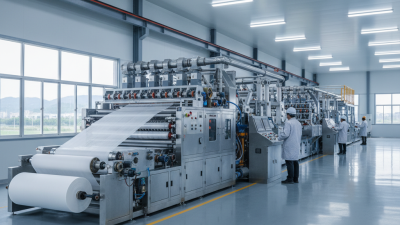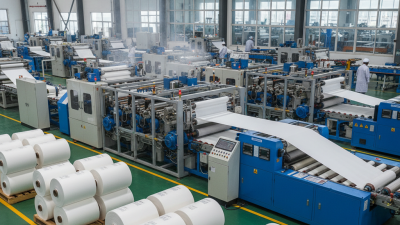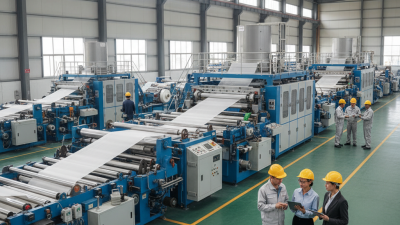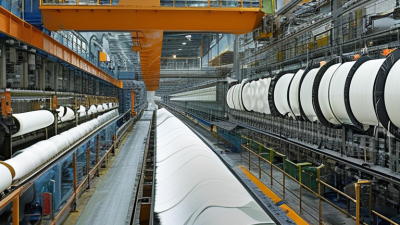
When it comes to the intricate world of the Spunbonded Non-Woven Machine, understanding the nuances can make a significant difference. Industry expert Dr. John Smith states, "The right machine can elevate production efficiency and product quality." This emphasizes the fundamental role these machines play in various applications, from textiles to hygiene products.
Purchasing a Spunbonded Non-Woven Machine involves strategic decisions. Buyers must consider factors like machine technology, production capacity, and material compatibility. Each choice impacts not only profitability but also sustainability efforts. However, many potential buyers overlook these details. A hasty decision may lead to costly mistakes.
In the fast-changing landscape of non-woven technology, skilled guidance is vital. Experts recommend thorough research and consultations. A reliable supplier can provide invaluable insights. This is an area where informed choices lead to success or failure. Investing time in understanding these machines can yield long-term benefits.
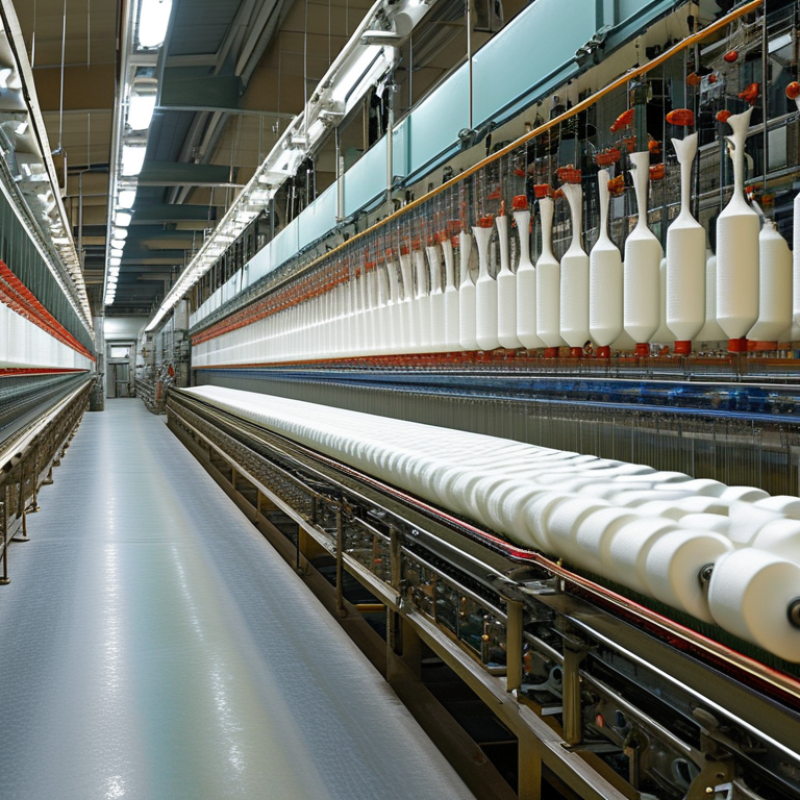
The spunbonded non-woven fabric market shows significant growth potential. In 2022, the market was valued at approximately $11 billion. Analysts project a compound annual growth rate (CAGR) of around 7.5% through 2030. This increase is driven largely by rising demand in sectors like healthcare, automotive, and construction. Understanding the underlying factors is crucial for potential buyers.
Global supply chains are evolving, impacting pricing and availability. Raw material costs fluctuate based on oil prices. This reliance on petroleum-based products can affect operational budgets. Manufacturers must consider market dynamics such as sustainability trends. Many customers now prioritize eco-friendly options. Reports indicate about 30% of consumers prefer non-woven fabrics made from recycled materials.
Customer preferences shift rapidly, making adaptability essential. For instance, the increase in hygiene product demand during the pandemic led to supply shortages. However, some manufacturers struggled to meet this spike. Companies should invest in flexible production capabilities. This can help accommodate future market trends. Adopting technology in production processes could streamline efficiency and lower costs over time.
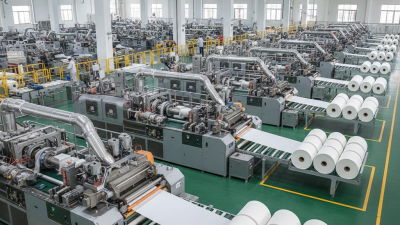
When considering the purchase of a spunbonded non-woven machine, understanding key specifications is vital. Performance metrics such as production capacity and efficiency determine how well the machine meets operational needs. A higher throughput means more output per hour. However, balancing speed with quality is crucial. Fast production can lead to defects if not monitored properly.
Energy consumption is another important factor. Non-woven machines can vary significantly in their energy usage. Choosing a machine that operates efficiently can save costs over time. Maintenance requirements also directly influence performance. A complex machine may provide high output but may demand more frequent servicing. This could potentially slow down production.
Material compatibility should not be overlooked. Ensure the machine can handle the specific types of fibers required for your non-woven products. Some machines may struggle with certain materials, leading to inefficiencies. Evaluating these specifications creates a more informed purchasing decision. It’s important to weigh all aspects carefully, as overlooking details can result in costly mistakes.
When considering a spunbonded non-woven machine, production capacity is crucial. Reports indicate that machines with higher output can produce up to 5,000 kg of non-woven fabric per hour. This capacity allows manufacturers to meet increasing market demands. However, it's important to assess if the equipment can maintain quality at maximum capacity. Often, higher speeds can compromise fabric integrity.
Efficiency also plays a vital role in operational costs. Efficient machines use less energy and reduce waste throughout the production process. Industry studies show that energy-efficient machines can save as much as 30% in energy costs annually. Monitoring factors such as raw material consumption and downtime enhances the overall efficiency of the production line.
It's essential to weigh the benefits against the initial investment. Sometimes, cheaper models offer less durability and require frequent maintenance. Balancing initial cost and long-term efficiency will lead to better decision-making. Factoring in these elements can significantly impact your production strategy and profitability in the non-woven fabric sector.
When investing in a spunbonded non-woven machine, understanding cost factors is crucial. Direct costs include purchase price, installation, and training. Consideration of ongoing maintenance and operational expenses is equally important. Many manufacturers overlook these long-term costs, which can significantly affect ROI. A detailed cost analysis helps in making an informed decision.
ROI should not be underestimated. It's essential to project potential revenue against initial investments. An effective machine can improve productivity and reduce labor costs. However, ensure that production quality meets market standards to avoid losses. Identifying actual demand for your products is key. The market's response will ultimately dictate how well the investment pays off.
Evaluate suppliers carefully. Their expertise can impact your machine's performance and longevity. Researching supplier backgrounds fosters confidence in your choice. Additionally, consider the machine's scalability. As production needs grow, can your machine adapt? Investing in flexible solutions may yield better returns in the long run. It's a complex decision, but thorough assessment is beneficial.
When purchasing a spunbonded non-woven machine, supplier credibility is crucial. Investigate their background and reputation in the industry. A reliable supplier often has extensive experience and a solid track record. Look for positive customer reviews and testimonials. Engage with other businesses that have worked with the supplier. Their insights can reveal the supplier's trustworthiness.
After-sales support is equally important. Machines need maintenance and potential repairs over time. Find out if the supplier offers comprehensive support. Check their response time for inquiries and service. Effective after-sales support can make a significant difference. In this competitive market, many suppliers claim to provide excellent service, but a detailed investigation is necessary. Ask for warranties and service agreements in writing. This ensures you're covered in case of issues.
Reflect on the importance of both supplier credibility and after-sales support. Sometimes, a lower price can lead to poor service. Balancing cost with quality might be challenging. Yet, investing in a reputable supplier pays off in the long run. It can prevent unnecessary headaches and costs. You need machines that run efficiently and support when you need it.
| Tip | Description | Supplier Credibility | After-Sales Support |
|---|---|---|---|
| Understand Specifications | Know the machine specifications that match your production needs. | Check if the supplier has documented experience. | Inquire about warranty and support duration. |
| Supplier Research | Conduct background checks on potential suppliers. | Look for reviews and ratings from previous customers. | Ensure availability of spare parts after purchase. |
| Cost Analysis | Compare costs including hidden fees like shipping. | Ask for a breakdown of costs from different suppliers. | Get information on support charges post-purchase. |
| Production Capacity | Assess the production capacity of the machine. | Verify if supplier's claims match industry standards. | Confirm response time for service requests. |
| Quality Assurance | Make sure the machine meets quality certifications. | Review suppliers' quality control processes. | Check the support offered for machine maintenance. |
| Technical Support | Assess the level of technical support provided. | Identify if on-site support is available. | Inquire about the availability of online resources. |
| Customization Options | Consider if the machine allows customization. | Check if previous customers used customization successfully. | Ensure support for customized features. |
| Lead Time | Understand the lead time for machine delivery. | Assess supplier's track record on lead times. | Inquire about installation support timeframes. |
| Training Services | Verify if training is provided for staff. | Seek testimonials on the effectiveness of training. | Clarify follow-up support after training. |