Top Spunbond Spinning Machine Features Benefits and Innovations?
The Spunbond Spinning Machine industry is rapidly evolving, driven by innovations in technology and efficiency. Renowned expert Dr. Emily Carter, a leading researcher in nonwoven technologies, states, "The future of spunbond production lies in blending speed with sustainability." This insight highlights the critical balance manufacturers must achieve.
These machines play a significant role in various applications, from hygiene products to automotive textiles. Advanced features enhance production rates and material quality. Manufacturers are increasingly focused on energy efficiency and waste reduction. Yet, the challenge remains in keeping up with rising demand while ensuring environmental responsibility.
Optimizing the capabilities of Spunbond Spinning Machines involves both technical advancements and thoughtful practices. Companies must adapt their operations continuously. Learning from past experiences can guide the industry in refining methods. Still, achieving perfect balance may take time and effort. As the market evolves, staying informed about innovations is imperative for success.
Key Features of Spunbond Spinning Machines
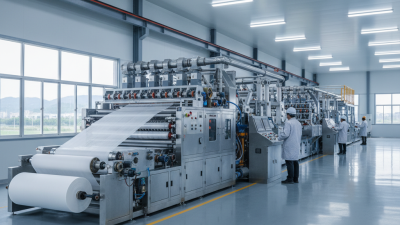
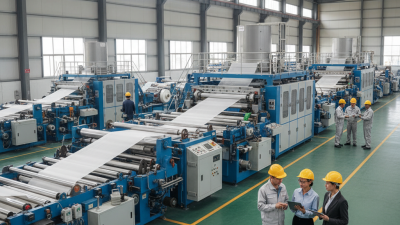
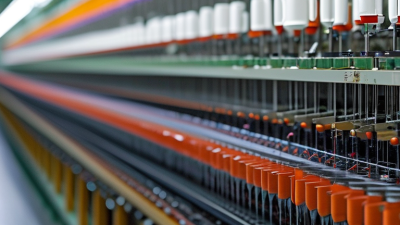
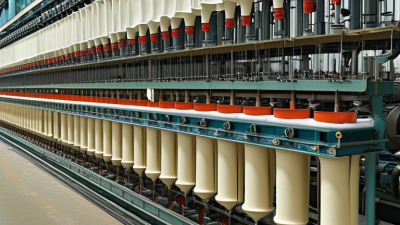
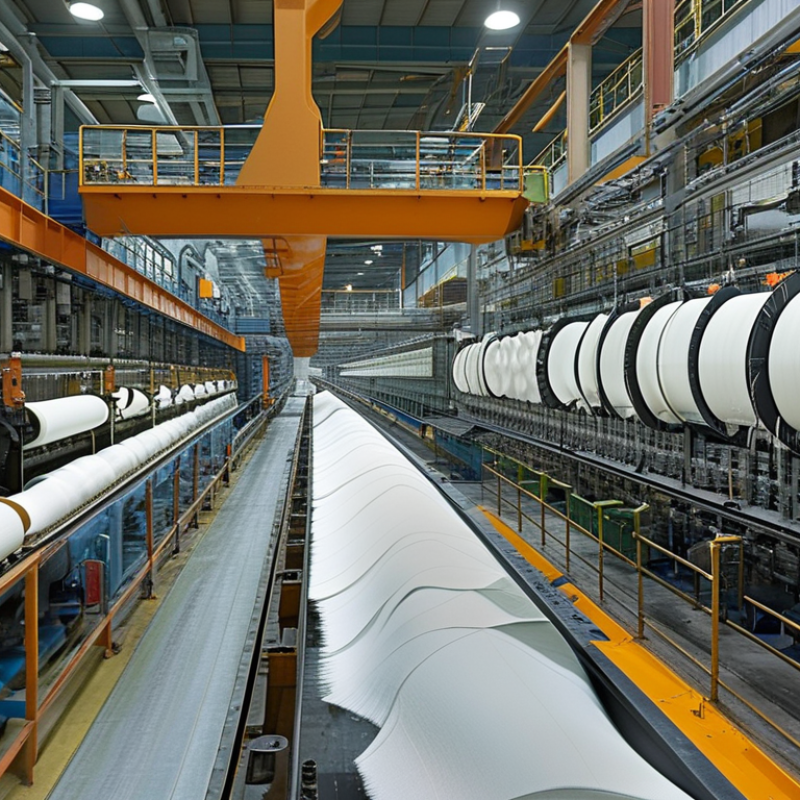
Spunbond spinning machines are vital in non-woven fabric production. These machines employ a process that involves melting polymer and spinning it into fibers. One key feature is their high production efficiency. They can produce large quantities of fabric in a short time. This efficiency meets the growing demand in various industries, including healthcare and agriculture.
Another notable aspect is the versatility of these machines. They can process different polymers, allowing manufacturers to create diverse products. This adaptability enables companies to cater to specific market needs. Moreover, innovation in technology has led to better control systems. Enhanced automation improves consistency and reduces waste. However, there is ongoing debate over the environmental impact of such technologies.
Investments in energy-efficient motors and advanced cooling systems are also important. These innovations contribute to lower operational costs. Yet, producers face challenges in balancing cost and sustainability. The pursuit of more eco-friendly materials continues to be a pressing issue in the industry.
Advantages of Modern Spunbond Technology
Modern spunbond technology offers numerous advantages that enhance production efficiency and product quality. One key benefit is increased nonwoven fabric strength. The process creates durable materials suitable for various applications, from medical supplies to agricultural covers.
Moreover, the ability to produce fine fibers contributes to the softness and flexibility of the fabric, which is vital for comfort in daily use items.
Another significant aspect is the reduced energy consumption during production. Innovations in machine design allow for more efficient processes, lowering operational costs. This efficiency also leads to less material waste, promoting sustainability. Additionally, the adaptability of spunbond technology allows manufacturers to frequently change the fabric's properties, responding quickly to market demands. However, challenges persist. The high initial investment in advanced machinery can deter small enterprises. Continuous research is essential to address these limitations and improve overall performance.
Innovative Developments in Spunbond Spinning Processes
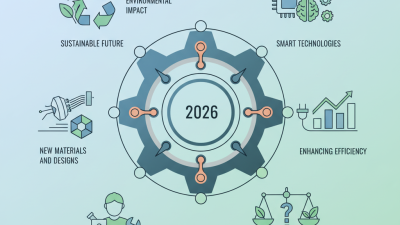
The spunbond process has seen remarkable innovations recently. Enhanced technology in spunbond spinning machines is advancing efficiency and product quality. Recent industry reports suggest that the global spunbond market is expected to grow by 6% annually, reaching $4.5 billion by 2026. These statistics reflect a growing demand for nonwoven fabrics across various sectors, including medical, automotive, and agriculture.
One innovative development is the use of advanced polymer materials. New formulations enhance melt flow and thermal properties. This leads to stronger, lighter fabrics. Additionally, manufacturers are adopting automation and IoT technologies. These advancements streamline production processes, reducing waste and energy consumption. The latest data indicates that automated systems can reduce labor costs by up to 30% while increasing output speed.
Despite these advancements, challenges remain. Transitioning to more sustainable materials can be costly and complex. Additionally, maintaining quality while increasing production rates continues to be a concern. These aspects require ongoing research and development. The sector must balance innovation with practicality and environmental responsibility.
Comparative Analysis of Spunbond Machine Brands
When analyzing spunbond machine brands, several key features define their performance and reliability. Innovations in extruder design enhance material processing capabilities. Advanced cooling systems significantly improve product uniformity, which is crucial for quality output. Many brands are investing in energy-efficient technologies to lower operational costs. Automatic control systems for production monitoring are common, leading to more consistent results.
However, not all machines offer the same advantages. Some brands may prioritize speed over quality, leading to potential defects in the final product. It's essential to evaluate warranty coverage and support services. After all, a lengthy warranty can indicate confidence in a machine's durability. User feedback often highlights maintenance challenges as areas for improvement, revealing gaps in user-friendliness.
Brand comparisons also reveal variations in technological integration. Some machines feature sophisticated software for tracking production metrics, while others may fall short in this aspect. This disparity affects how efficiently manufacturers manage their operations. Understanding these differences helps businesses make informed choices that align with their production goals and standards.
Future Trends in Spunbond Spinning Innovations
The future of spunbond spinning technology is on the brink of transformative innovations. Recent industry reports reveal a projected growth of 5.6% in this sector from 2023 to 2028. This upward trend highlights the need for advancements in machine features and materials.
Sustainability is becoming a driving force in spunbond innovations. Manufacturers are increasingly focused on using recycled materials. This shift not only reduces waste but also meets rising consumer demand for eco-friendly products. Moreover, integrating automation and AI into spunbond spinning machines enhances efficiency while minimizing operational costs.
However, some challenges remain. Not all manufacturers can adapt quickly to these changes. Training the workforce to handle new technologies is essential yet often overlooked. As the landscape evolves, stakeholder collaboration will be crucial to ensure widespread adoption of these innovative practices. Without it, the industry risks lagging behind.
Top Spunbond Spinning Machine Features Benefits and Innovations
| Feature |
Benefit |
Innovation |
Future Trend |
| High Production Speed |
Increased output capacity |
Automation in feed systems |
Integration with AI for optimization |
| Energy Efficiency |
Reduced operational costs |
Regenerative braking systems |
Use of renewable energy sources |
| Advanced Control Systems |
Improved process reliability |
IoT-enabled monitoring |
Real-time data analytics |
| Versatile Material Handling |
Capability to handle various polymers |
Flexible processing units |
Customization for niche markets |
| Quality Control Features |
Enhanced product consistency |
Automated defect detection |
Adoption of machine learning for quality assurance |