Leave Your Message

What Is Spunbond Nonwoven Fabric and What Is It Used For?

Spunbond Nonwoven Fabrics are engineered sheet materials made by extruding thermoplastic polymers into continuous filaments. These filaments are stretched, laid across a moving surface, and bonded with heat, pressure, or ultrasonic energy. The process creates a fabric without weaving or knitting. It sounds simple. It is not.

Dr. Behnam Pourdeyhimi, a respected nonwovens researcher and Executive Director of The Nonwovens Institute, has described nonwovens as “engineered materials, not simply cheaper textiles.” That distinction matters. A spunbond fabric can be designed for strength, softness, breathability, liquid resistance, or controlled filtration. Polypropylene remains common because it is lightweight, chemically stable, and economical. Polyester, polyethylene, and biodegradable polymers may suit other performance targets.

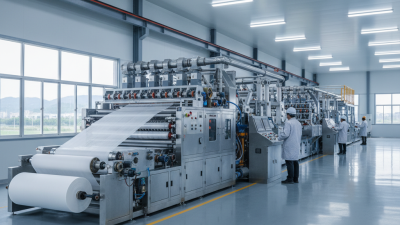
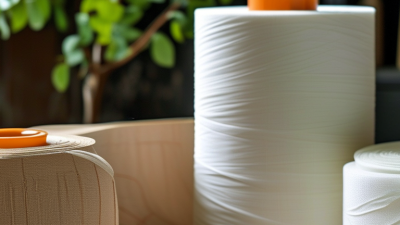
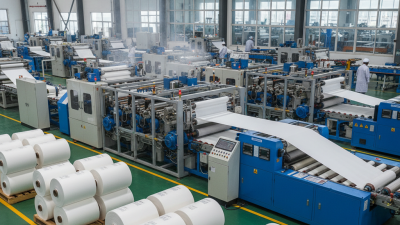
Walk through a modern factory, and the material’s purpose becomes visible. White rolls may become hygiene backsheet layers, medical gowns, crop covers, shopping bags, roofing membranes, or protective packaging. The same production family can serve very different markets. Fiber diameter, bonding pattern, basis weight, and additives change the final behavior.

Still, “strong” does not mean suitable for every job. A thin agricultural cover may tear under wind. A medical barrier may require tested protection, not attractive appearance. This is where practical evaluation matters. Buyers should examine tensile strength, elongation, air permeability, hydrostatic resistance, cleanliness, and certification requirements. Specifications can look impressive on paper. Real use may reveal weaknesses.

This guide explains how Spunbond Nonwoven Fabrics are produced, how they perform, and where they fit best. It also considers their limitations, environmental questions, and selection mistakes that are easy to overlook.
What Is Spunbond Nonwoven Fabric and What Is It Used For?

What Is Spunbond Nonwoven Fabric?

Spunbond nonwoven fabric is made from continuous polymer filaments rather than woven yarns. During production, thermoplastic resin is melted and pushed through fine spinnerets. The strands are stretched, cooled, and placed into a loose web. Heat, pressure, or another bonding method then locks the structure together. This process creates fabric without traditional weaving or knitting.

Polypropylene is widely used because it is light, moisture-resistant, and economical. Polyester can provide greater strength and temperature resistance. Some products use biodegradable polymers, although performance and disposal conditions require careful evaluation. The final fabric may feel soft, crisp, smooth, or slightly rough. Its texture depends on filament size, bonding pattern, weight, and finishing treatment.

In practical material checks, I look at basis weight, tensile strength, tear resistance, air permeability, and liquid behavior. These details matter more than appearance alone. A thin sheet may suit hygiene layers or protective packaging. Heavier grades can support agricultural covers, furniture lining, construction membranes, and filtration components. Medical uses require verified specifications and controlled manufacturing; ordinary nonwoven fabric should not be assumed to provide protection.

Spunbond fabric is efficient, but it is not perfect. Strong bonding can reduce softness or breathability. Light fabrics may tear under sharp edges or repeated stress. Poor storage can also affect cleanliness and performance. Its actual use depends on polymer selection, structure, testing, and the conditions it must withstand.
How Is Spunbond Fabric Manufactured?

What Is Spunbond Nonwoven Fabric and What Is It Used For?

Spunbond fabric begins with polymer pellets, commonly polypropylene, fed into an extruder. Heat melts the pellets into a steady, thick liquid. The process requires careful temperature control. Excessive heat can weaken the polymer and create uneven fibers.

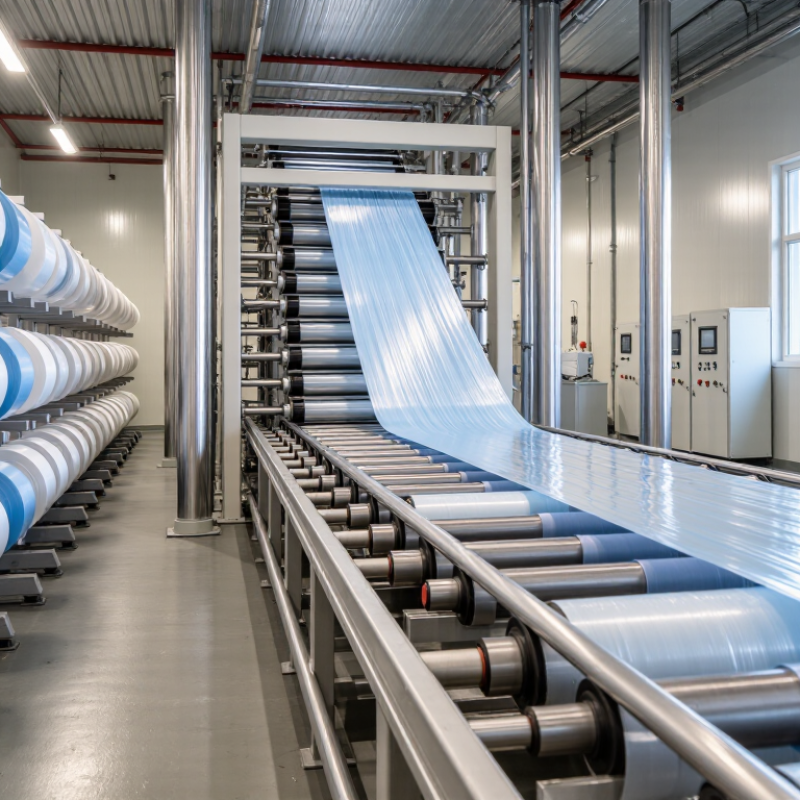
The molten polymer passes through a spinneret with many tiny openings. Each opening forms a continuous filament. Air stretches and cools these filaments as they move downward. A moving conveyor then collects them into a loose, web-like layer. Filament speed, air pressure, and conveyor movement influence the fabric’s weight and strength. Small changes matter.

The web is bonded through heat, pressure, or both. A patterned roller can join fibers at regular points while preserving open areas between them. Operators test thickness, tensile strength, tear resistance, and surface uniformity. In practical production, edges may show slight differences. This is not always a failure, but it requires review. Spunbond fabric is lightweight, breathable, and resistant to many everyday stresses. These properties support its use in hygiene products, protective covers, agricultural sheets, shopping bags, and packaging materials. Some applications need added coatings or laminated layers. Such treatments change water resistance, softness, and durability. Choosing the right structure depends on the product’s actual environment, not only its appearance.

What Is Spunbond Nonwoven Fabric and What Is It Used For? - How Is Spunbond Fabric Manufactured?

Data Dimension Typical Information Practical Significance
Material Category Spunbond nonwoven fabric A web of continuous filaments bonded without traditional weaving or knitting.
Common Polymer Polypropylene (PP) is widely used; polyester (PET) and other polymers are also available. The polymer affects strength, temperature resistance, chemical resistance, softness, and end-of-life options.
Filament Structure Continuous filaments are extruded, stretched, laid into a web, and bonded. Continuous fibers can provide good tensile strength and consistent fabric formation.
Main Manufacturing Method Melt spinning followed by web formation and thermal bonding, commonly through a heated calender. The process integrates fiber production and fabric formation in a relatively efficient continuous line.
Typical Basis Weight Approximately 10–200 g/m², depending on the product design. Lower basis weights suit lightweight covers and hygiene components; higher weights suit bags, geotextiles, and industrial products.
Fabric Appearance Usually uniform, sheet-like, and available in a range of colors, textures, and surface finishes. Appearance and hand feel can be adjusted through filament size, bonding pattern, additives, and finishing.
Key Performance Properties Lightweight, breathable, tear-resistant, water-repellent when engineered accordingly, and resistant to many chemicals. The balance of strength, air permeability, liquid resistance, and flexibility supports many single-use and durable products.
Step 1: Polymer Preparation Polymer pellets are dried or conditioned as required and fed into an extruder. Proper preparation helps maintain stable melt flow and consistent filament quality.
Step 2: Melt Extrusion Heat and screw action melt the polymer before it passes through a spinneret. The spinneret determines the number, arrangement, and initial size of the filaments.
Step 3: Filament Cooling and Drawing The extruded filaments are cooled with air and attenuated by high-speed airflow or mechanical drawing. Drawing orients polymer molecules and improves filament strength and uniformity.
Step 4: Web Formation Continuous filaments are deposited onto a moving forming surface to create a random or controlled web. The web structure influences strength distribution, softness, porosity, and dimensional stability.
Step 5: Bonding Heat and pressure bond the filaments, often using point-bonding calender rolls; other bonding methods may also be used. Bonding controls fabric strength, elongation, softness, surface pattern, and resistance to fiber separation.
Optional Finishing The fabric may be treated for hydrophilicity, water repellency, antistatic performance, flame resistance, color, or printability. Finishing allows the same basic material to meet different application and processing requirements.
Hygiene Products Outer covers, acquisition layers, leg cuffs, and other components in diapers, feminine hygiene products, and incontinence products. Softness, breathability, liquid management, and high-speed convertibility are important considerations.
Medical and Protective Products Gowns, caps, shoe covers, masks, drapes, and packaging components, subject to required standards and product design. Fabric selection depends on barrier performance, breathability, strength, cleanliness, and intended use.
Agricultural Applications Crop covers, plant protection sheets, seed bags, and weed-control products. The material can help manage airflow, moisture, temperature, light, and physical protection.
Geotextiles and Construction Separation layers, drainage-related components, erosion-control products, roofing underlay, and building wraps. Higher-strength grades can support filtration, separation, protection, and moisture-management functions.
Packaging and Consumer Goods Reusable shopping bags, gift bags, protective packaging, furniture covers, and household organizers. Low weight, sewability, printability, and customizable colors make spunbond fabric suitable for many converted products.
Important Selection Factors Polymer type, basis weight, tensile strength, elongation, air permeability, liquid resistance, bonding pattern, color, and finishing treatment. The correct specification should be selected according to the product’s required performance, processing method, regulations, and intended service life.

Note: Performance ranges and suitable applications vary with polymer type, fabric weight, filament design, bonding conditions, and finishing treatments.

What Are the Main Properties of Spunbond Nonwovens?

What Is Spunbond Nonwoven Fabric and What Is It Used For?

Spunbond nonwoven fabric is made by extruding continuous polymer filaments, laying them into a web, and bonding them with heat. This structure gives the material useful strength without weaving yarns. According to Grand View Research’s 2023 market report, the global nonwoven fabric market was valued at about USD 53.5 billion in 2022. Spunbond materials support many applications, including hygiene products, medical gowns, agriculture covers, packaging, and construction membranes.

What Are the Main Properties of Spunbond Nonwovens?

The main advantage is a strong strength-to-weight ratio. A thin sheet can resist tearing while remaining flexible. Filament alignment also improves dimensional stability and surface uniformity. These fabrics can be engineered for breathability, liquid resistance, softness, or controlled filtration. Polypropylene versions are lightweight and resist many chemicals. Polyester versions usually offer better heat resistance and dimensional stability. However, “waterproof” is often an oversimplification. A spunbond layer may repel droplets but still allow vapor movement. Performance depends on fiber type, bonding conditions, basis weight, and any added coating. Testing under ISO or ASTM methods remains essential. Field experience also shows that high strength alone does not guarantee long service life.

Tips: Check basis weight, tensile strength, elongation, air permeability, and hydrostatic pressure before selecting a grade. Ask for test conditions, not only headline values. Also examine end-of-life options. Recyclability can be limited when spunbond fabric is laminated, printed, or mixed with other polymers. That detail is easy to miss.

Where Is Spunbond Nonwoven Fabric Used?

Spunbond nonwoven fabric is made by extruding continuous polymer filaments, usually polypropylene or polyester. The filaments are spread into a web and bonded with heat, pressure, or both. Unlike woven cloth, it has no yarn grid. This structure gives it a light feel, stable strength, and useful air permeability. It is not automatically waterproof or suitable for every application.

In agriculture, spunbond fabric covers seedlings and low crops. It can reduce wind damage, limit insect contact, and soften sudden temperature changes. Gardeners often place it over simple hoops, leaving enough space for plant growth. In medical and hygiene products, it appears in gowns, caps, masks, diapers, and sanitary items. Its clean surface and low lint are useful, but performance depends on weight, bonding, and additional filter layers. A thin sheet alone should not be treated as complete protection.

The material also serves in packaging, furniture lining, construction membranes, and geotextile layers. In packaging, it can cushion surfaces or separate products without adding much weight. Under flooring or behind upholstery, it helps create a smoother finish. Construction uses may require stronger, coated, or laminated versions. That detail is easy to overlook. Spunbond fabric can tear when sharply punctured, and sunlight may weaken some grades over time. I have found that choosing by appearance alone often causes problems; checking tensile strength, air permeability, thickness, and intended exposure gives a more reliable result.

How Should Spunbond Fabric Be Selected and Handled?

Spunbond nonwoven fabric is made by extruding continuous polymer filaments, laying them into a web, and bonding them with heat. Its strength, light weight, and clean surface support many applications, including hygiene products, medical gowns, packaging, agriculture, and furniture covers. Selection should begin with the intended use, not appearance alone.

Check the fabric’s basis weight, tensile strength, elongation, air permeability, and liquid resistance. A light grade may suit breathable covers, while a heavier grade can provide better tear resistance. Ask for technical data and test conditions, because figures can vary between laboratories. White fabric is not automatically cleaner or safer. For protective applications, verify barrier performance against the actual liquid, pressure, and exposure time.

Handle rolls with clean, dry gloves when surface quality matters. Store them horizontally or on stable supports, away from sunlight, moisture, oils, and sharp edges. Keep the original wrapping intact until production begins. Avoid dragging rolls across concrete floors. Small cuts can become long tears during unwinding. It happens more often than expected. Control tension carefully, and test sealing settings on sample pieces before full production. Heat can strengthen a bond, but excessive temperature may shrink the web or damage its texture. I once underestimated storage humidity; the fabric still looked normal, yet its processing behavior changed. That experience made routine inspection essential. Check color, odor, thickness, roll edges, and bonding consistency before use.

Typical Spunbond Nonwoven Fabric Basis Weight by Application

Basis weight is one of the main factors used to select spunbond fabric. The ranges below are typical industry reference values; actual specifications vary according to fiber type, bonding method, strength, softness, and end-use requirements.

Selection guidance: Lightweight fabrics are commonly chosen for breathable hygiene and agricultural applications, while heavier fabrics are generally preferred when higher strength, durability, or load-bearing performance is needed. Store and handle spunbond fabric in a clean, dry area and protect it from moisture, sharp edges, excessive heat, and compression.