Analyzing the Growing Global Demand for Nonwoven Fabric Markets
A primary catalyst for this sustained demand originates from the hygiene and medical sectors. The production of disposable personal care products, such as baby diapers and adult incontinence items, relies heavily on specific types of spunbond Nonwoven Fabric. In healthcare, the critical need for single-use medical garments, surgical drapes, and masks continues to underscore the material's importance for infection control. The essential characteristics of disposability and barrier protection make it indispensable in these fields.
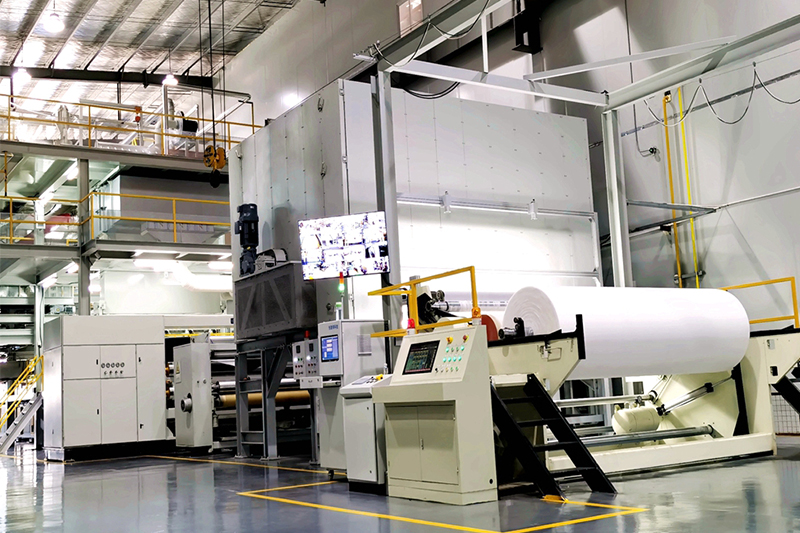
The manufacturing of a significant portion of these materials is facilitated by advanced production technology, most notably the PP Spunbond nonwoven Machine. The spunbond spinning process is a highly efficient, continuous method that transforms polymer granules into a continuous filament web, which is then bonded to create a coherent fabric. The output from a Spunbond Nonwoven fabric making Machine is renowned for its uniformity and excellent strength-to-weight ratio, making it a fundamental component in the supply chain for hygiene and medical products.
Beyond hygiene, the application of spunbond/meltblown Nonwoven Fabric is expanding into sectors such as packing,agriculture,geotextiles, filtration, and automotive interiors. In construction, geotextiles made from nonwoven fabrics are used for soil stabilization and drainage. The automotive industry incorporates these fabrics into cabin air filters and interior trim. The versatility of materials produced by technologies like the Spunbond nonwoven fabric Machine ensures that market growth is diversified and resilient.
The trajectory for the spunbond Nonwoven Fabric market remains positive. Future developments are expected to focus on enhancing sustainability through the use of recycled materials and developing biodegradable alternatives. Technological advancements in production equipment, including more efficient and precise Spunbond nonwoven Machine models, will continue to improve nonwoven fabric quality and production economics, supporting the market's sustained global growth.