Comparing SMS and SMMS Nonwoven Fabric Production Lines
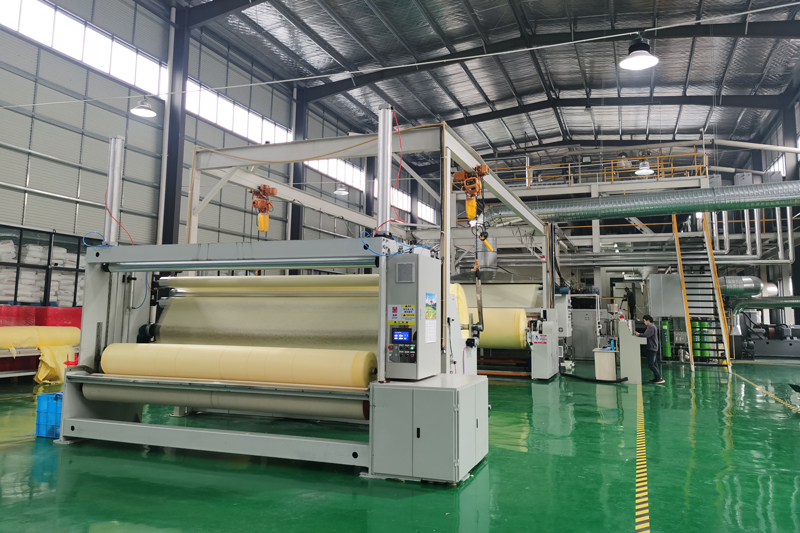
The core difference is embedded in the production sequence and the configuration of the nonwoven machine. SMS stands for Spunbond-Meltblown-Spunbond. This process creates a three-layer fabric: a Spunbond layer for strength, a central Meltblown layer for barrier properties, and a final Spunbond layer for softness and durability. In contrast, SMMS adds an extra Meltblown layer, following a Spunbond-Meltblown-Meltblown-Spunbond sequence. This requires a more complex Nonwoven machine with additional extrusion and bonding capabilities.
This structural divergence directly influences the performance of the resulting Nonwoven Fabrics. SMS fabrics offer an excellent balance of strength, liquid resistance, and comfort. They are widely used in medical apparel and hygiene products. The SMMS structure, with its dual Meltblown core, significantly enhances the barrier performance against fluids, bacteria, and fine particles. This makes SMMS superior for applications demanding the highest levels of protection, in surgical isolation gowns.
The choice between an SMS and an SMMS production line is fundamentally application-driven. An SMS line is a versatile and cost-effective solution for a broad range of products requiring a reliable barrier. When the primary specification calls for ultimate protective performance, the enhanced capabilities of an SMMS nonwoven machine become necessary, despite a higher initial investment and operational complexity.
Both SMS and SMMS are critical technologies for manufacturing multi-layer nonwoven fabrics. The decision hinges on a clear assessment of the required performance level. SMS provides a robust, all-round solution, while SMMS is specialized for top-tier barrier requirements, with each serving distinct and vital segments of the industry.