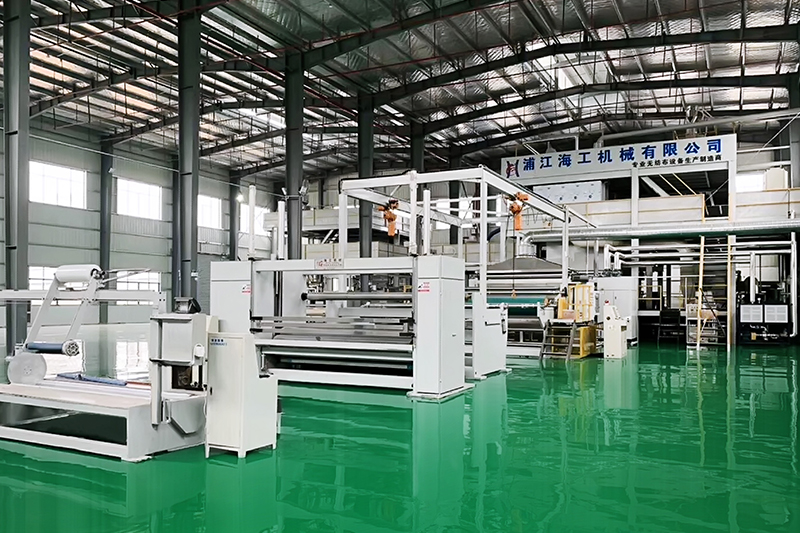
Essential Raw Materials for Nonwoven Fabric Making Machine Production
Polypropylene remains the predominant polymer utilized in a nonwoven fabric making machine, particularly for spunbond and meltblown processes. Its excellent melt stability and consistent rheological properties make it ideally suited for the high-temperature extrusion and fiber formation stages. The uniform flow characteristics of premium-grade PP granules are vital for maintaining continuous operation in a Nonwoven machine, preventing disruptions in filament formation and ensuring consistent web quality throughout production cycles.
For applications requiring enhanced mechanical properties, polyester (PET) serves as a key alternative raw material. Processing PET in a nonwoven fabric making machine typically requires adjusted thermal profiles and modified screw designs to accommodate its higher melting point and different crystallization behavior. The robust nature of this polymer demands specific engineering considerations in the nonwoven machine configuration to ensure optimal processing conditions and final fabric performance, particularly for technical textiles requiring superior strength and durability.
The emergence of sustainable biopolymers has introduced new material considerations for nonwoven equipment. Polylactic acid (PLA), while offering compostability advantages, presents unique processing challenges in a conventional Nonwoven Fabric making machine due to its sensitivity to moisture and thermal degradation. Successful processing of these materials often requires specialized drying systems and modified extrusion components within the nonwoven machine to maintain material integrity throughout the production process while achieving desired web characteristics.
The interdependent relationship between raw material properties and equipment capabilities continues to define advancement in nonwoven manufacturing. The ongoing development of specialized polymer grades directly influences the evolution of nonwoven fabric making machine technology, driving improvements in processing efficiency and product diversity. As material science progresses, this synergy between innovative raw materials and sophisticated machinery will continue to expand the possibilities for nonwoven applications across multiple industries, from healthcare and filtration to construction and automotive sectors.