Function of Automated Systems in Modern Nonwoven Fabrication
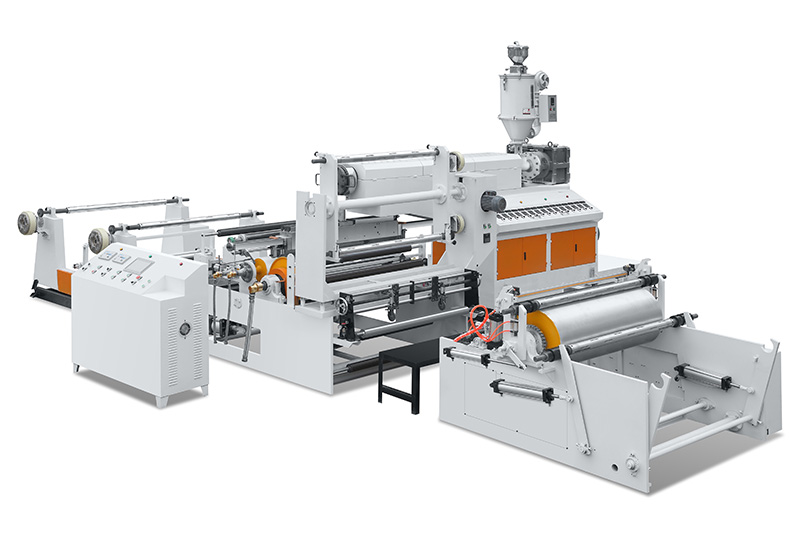
The core of this automated environment is the modern nonwoven machine. These sophisticated production lines are equipped with programmable logic controllers and distributed control systems that manage every stage, from fiber preparation and web formation to bonding and finishing. The central function of automation here is the real-time monitoring and adjustment of process variables such as temperature, speed, and pressure. This ensures the structural integrity and uniformity of the Nonwoven Fabrics being produced, directly impacting key properties like strength, weight, and permeability.
Beyond process control, a critical function of these systems is integrated quality assurance. Contemporary nonwoven machine installations incorporate inline monitoring equipment, such as optical scanners and beta gauges, which perform continuous inspection of the fabric. These systems automatically detect flaws like thickness variations or contaminants and can trigger immediate corrections or flag defective material. This proactive function minimizes waste and ensures that the output of Nonwoven Fabrics adheres to precise quality standards without compromising production speed.
Automated systems provide vital data intelligence functions. They collect and analyze operational data from every component of the nonwoven machine, offering insights into production trends and equipment health. This data enables predictive maintenance, allowing operators to schedule servicing before a failure occurs, thus minimizing unplanned downtime. It also facilitates precise traceability and optimization of production recipes for different fabric specifications, enhancing overall operational efficiency.
The function of automated systems in modern nonwoven fabrication is multifaceted and indispensable. They are not merely tools for automation but are integral to ensuring precision, quality, and efficiency from raw material to finished roll. As the industry continues to advance, the role of these intelligent systems in managing the sophisticated nonwoven machine ecosystem will only grow more critical, solidifying their position as a cornerstone of competitive manufacturing in the nonwoven sector.