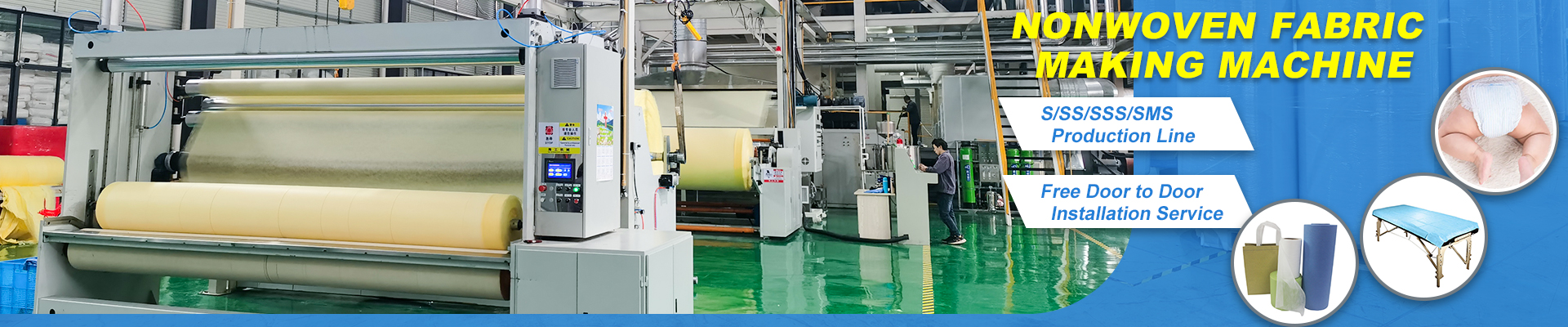
How to Make Spunbond Nonwoven Fabric
The textile industry has seen a massive shift toward high-performance, cost-effective materials, with spunbond Nonwoven fabric leading the charge. From medical PPE to agricultural covers, this versatile material is everywhere. But how exactly is it made? The process is a marvel of polymer engineering, combining high-speed extrusion with precise thermal bonding to create a fabric that is both strong and breathable.
1. Polymer Preparation and Melting
The journey begins with raw plastic polymers, most commonly polypropylene (PP). These are fed into an extrusion system in the form of small pellets. Inside the Extruder, the pellets are heated to a specific melting point until they form a consistent, fluid resin. This stage is crucial, as any impurities or temperature fluctuations can affect the tensile strength of the final fabric.
2. The Extrusion and Spinning Process
Once melted, the polymer is forced through a spinneret—a metal plate with hundreds of tiny holes. As the liquid exits these holes, it forms continuous filaments. This is where the "spun" in spunbond comes from. These filaments are then cooled by a high-velocity air stream, which not only solidifies the plastic but also stretches the fibers to increase their durability.
3. Web Formation on the Conveyor
After the filaments are attenuated (stretched), they are randomly deposited onto a moving conveyor belt or "forming wire." This creates a loose, disorganized web of continuous fibers. The speed of the belt determines the GSM (grams per square meter); a slower belt creates a thicker, heavier fabric, while a faster belt results in a lightweight, translucent material.
4. Thermal Bonding for Structural Integrity
In its loose state, the fiber web has no structural strength. To transform it into fabric, the web passes through calender rolls. These are heated rollers that apply pressure and heat to specific points on the web. This causes the fibers to fuse together at their intersection points without melting the entire sheet, preserving the fabric’s breathability and softness.
5. Finishing Treatments and Winding
Depending on the intended use, the fabric may undergo secondary treatments. It can be made hydrophilic (water-absorbing) for hygiene products or UV-resistant for outdoor agricultural use. Finally, the finished spunbond nonwoven fabric is trimmed to the desired width and wound into large industrial rolls, ready for global distribution.