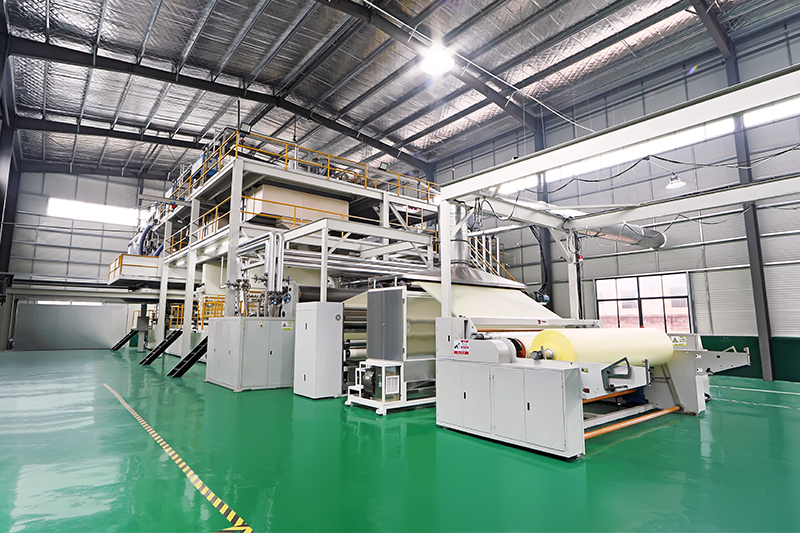
Key Factors for Selecting an Efficient Spunbond Nonwoven Machine
The first and foremost consideration is defining precise production requirements. This involves analyzing the target fabric characteristics, including gsm, width, and key physical properties like tensile strength and uniformity.The required output capacity—measured in kilograms per hour—must be clearly established. Understanding these product specifications is the foundational step in shortlisting a Spunbond Nonwoven Machine that can deliver the desired quality and volume, ensuring the technology matches the intended application, whether for hygiene, medical, or agricultural products.
Technological sophistication is the primary driver of efficiency. Prospective buyers should scrutinize the core components of the machine, such as the extrusion system, Spinneret design, and bonding method. Modern, efficient machines incorporate precision controls for polymer throughput, temperature, and air drawing, which directly influence filament consistency and final spunbond fabric quality. Energy consumption is a major operational cost; selecting a Spunbond Nonwoven fabric making Machine with energy-efficient thermal bonding calenders and motors can significantly reduce the total cost of ownership over time.
Beyond the machine's technical specifications, the credibility and support of the manufacturer are paramount. The durability of the equipment depends on the quality of materials used in critical wear parts. Equally important is the supplier’s ability to provide reliable after-sales service, readily available spare parts, and expert technical support. A partnership with a reputable manufacturer ensures minimal downtime, comprehensive training, and long-term operational stability, safeguarding the productivity of the production line.
A wise investment in a spunbond nonwoven machinehinges on a balanced analysis of production needs, technological efficiency, and manufacturer support. By prioritizing these key factors, businesses can select a Spunbond Nonwoven Machine that not only meets current production demands but also offers the reliability and efficiency to adapt to future market challenges, securing a strong return on investment and a competitive edge in the dynamic nonwoven fabric industry.