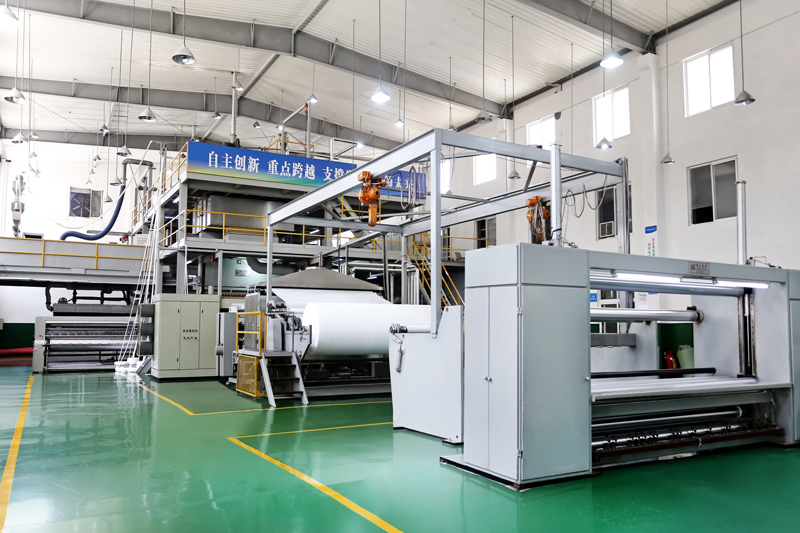
Manufacturing and use methods of spunbond nonwoven fabrics
This production method yields a fabric with a unique combination of properties, including high tensile strength, high porosity, abrasion resistance, and chemical resistance. The material's durability, breathability, and lightweight properties make it suitable for numerous applications across various industries. These properties can be precisely controlled during the production process by adjusting polymer type, fiber thickness, and bonding parameters.
Spunbond nonwovens are used across a wide range of industries. In healthcare, they are a key material for surgical gowns, masks, and disposable hygiene products. Agricultural applications include crop protection covers and weed control fabrics. In construction, they are used as reinforcement for geotextiles and roofing systems. They are also widely used in furniture manufacturing, packaging solutions, and various industrial sectors.
Current industry trends indicate that the growing demand for sustainable solutions is driving innovation in the Spunbond industry. Manufacturers are increasingly focusing on developing recyclable mono-material structures and incorporating recycled materials into their products. The globalspunbond nonwovens market is expected to grow significantly, with a compound annual growth rate (CAGR) of approximately 6.5%, driven by expanding applications in healthcare, agriculture, and technical textiles.
Future developments in spunbond technology are likely to focus on enhancing sustainability while maintaining performance characteristics. Ongoing research is exploring bio-based polymers and advanced recycling processes that are compatible with existing production infrastructure. As industry needs continue to evolve, spunbond nonwovens are expected to maintain their important role in traditional applications while expanding into new areas that balance functionality and environmental performance.