PP Spunbond Nonwoven Fabric and Its Applications Introduction
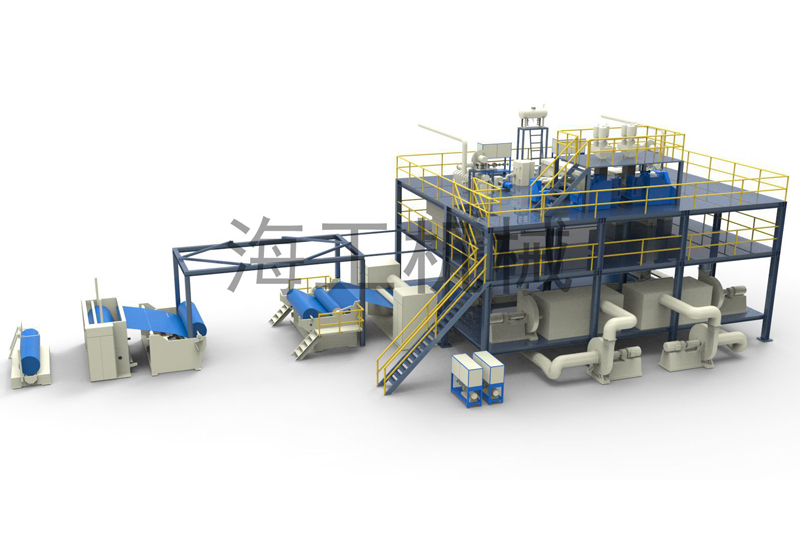
The manufacturing process begins with polypropylene polymer chips being melted and extruded through precision Spinnerets to form continuous filaments. These filaments are subsequently stretched and attenuated by high-velocity air streams, then systematically laid onto a moving conveyor belt to form a uniform web. The final stage involves thermal calendering, where heated rollers bond the fibrous web into a cohesive fabric with consistent properties. This highly automated process ensures excellent production efficiency and precise quality control while minimizing material waste and energy consumption.
Spunbond nonwoven fabric exhibits exceptional characteristics that make it suitable for diverse applications. The material demonstrates outstanding tensile strength in both machine and cross directions, combined with excellent porosity and effective barrier properties. It shows remarkable resistance to tears, punctures, and chemical degradation while maintaining lightweight flexibility. Manufacturers can engineer specific properties including hydrophobicity or hydrophilicity, and customize parameters such as weight, color, and softness according to application requirements.
The applications of spunbond nonwoven fabric span numerous industries, demonstrating its remarkable versatility. In medical sectors, it is used for surgical gowns, masks, and drapes. The hygiene industry employs it in diapers and feminine products, while agricultural applications include crop covers and weed control fabrics. Technical uses encompass geotextiles for soil stabilization and roofing materials. The packaging industry utilizes these fabrics for protective wrapping and insulation materials, showcasing their adaptability to various requirements.
As sustainability considerations gain prominence, manufacturers are developing eco-friendly solutions including mono-material constructions and recycled content options. The industry is implementing energy-efficient production technologies and exploring biodegradable alternatives. These advancements ensure spunbond nonwoven fabrics will continue to play a vital role across various industries while meeting evolving environmental standards and responding to growing market demands for sustainable material solutions.