Primary Polymer Materials in Spunbond Nonwoven Fabric Manufacturing
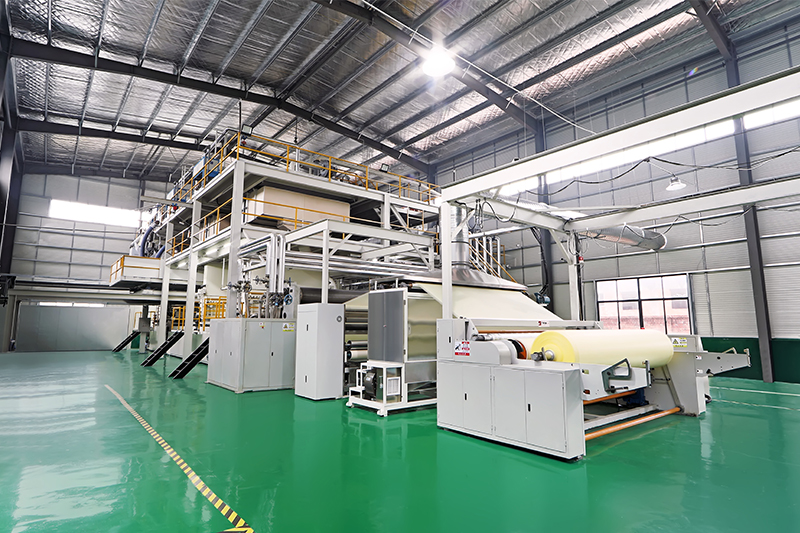
In the production of spunbond nonwoven fabric, polypropylene stands as the predominant polymer due to its excellent melt stability and favorable processing characteristics. The manufacturing process within a spunbond Nonwoven machine involves precise control of thermal parameters to ensure consistent filament formation and web uniformity. The resulting spunbond material exhibits balanced properties including strength, flexibility, and coverage, making it suitable for applications ranging from medical textiles to agricultural covers. The consistent melt flow index of high-quality polypropylene is particularly crucial for maintaining production stability and achieving uniform fabric quality.
Polyester represents another significant polymer category in spunbond nonwoven fabric manufacturing,particularly valued for applications demanding enhanced mechanical performance. When processed through a spunbond nonwoven machine, polyester requires adjusted thermal parameters to accommodate its higher melting point and different crystallization behavior. The resulting spunbond nonwoven fabric demonstrates superior tensile strength and durability, making it ideal for technical applications including geotextiles and automotive components. This adaptability in material processing highlights the versatility of modern spunbond nonwoven spinning technology.
The relationship between polymer properties and equipment parameters remains fundamental to achieving desired fabric specifications in spunbond nonwoven production. Molecular weight distribution and melt flow characteristics directly influence processing stability within the spunbond nonwoven machine, affecting both production efficiency and final product quality. Recent developments in biopolymers have introduced new material options, though these often require specific equipment modifications to accommodate their unique thermal and rheological properties while maintaining production reliability.
The strategic selection of primary polymer materials continues to define the capabilities and applications of modern spunbond technology. The synergy between material science and equipment engineering enables manufacturers to produce high-performance spunbond nonwoven fabric with precisely tailored properties. As polymer technology advances, this integration between innovative materials and sophisticated manufacturing processes will continue to expand the application potential of spunbond nonwovens across diverse industrial sectors.