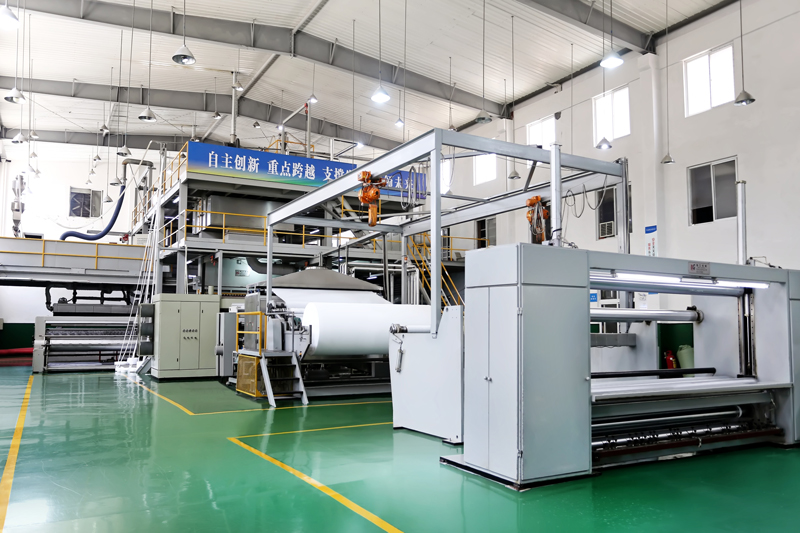
Raw material for Spunbond nonwoven production line - Polypropylene
In the production of spunbond Nonwoven fabric,polypropylene (PP) plastic pellets serve as the primary raw material. Through processes such as melting, spinning, cooling, stretching, and web formation, these PP pellets are transformed into fiber webs, which are then thermally bonded to create the final product.
Understanding the characteristics of PP pellets and selecting the right one is crucial for ensuring the quality and performance of nonwoven fabrics.
What is PP Plastic Pellets?
PP plastic pellets are a thermoplastic material made from polypropylene, known for their excellent chemical stability, mechanical strength, and heat resistance. These properties make them an ideal choice for producing spunbond nonwoven fabrics.
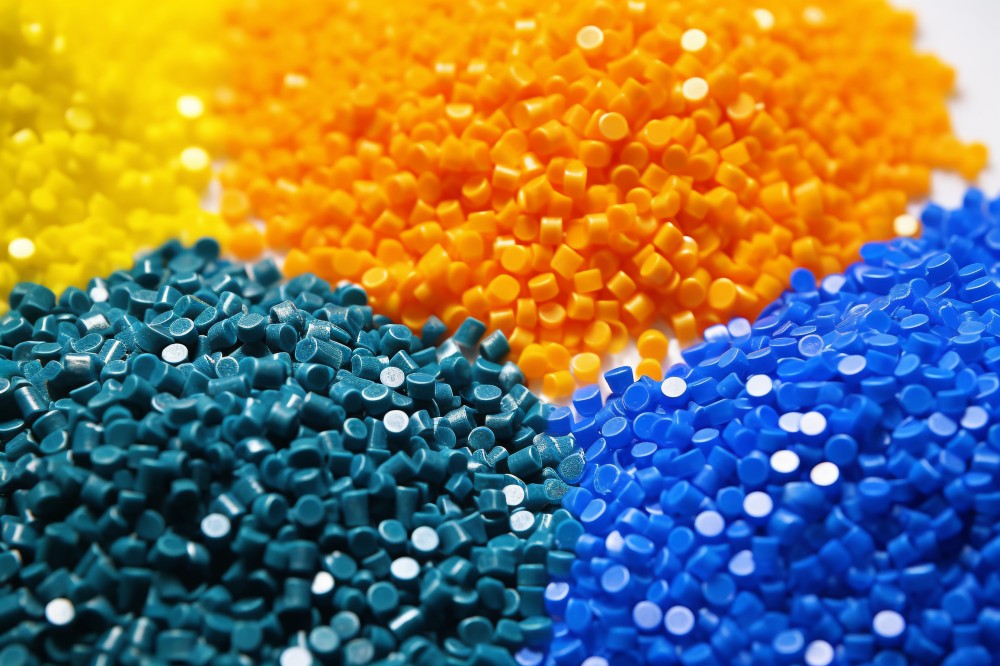
Key features :
- Lightweight and High Strength: PP pellets have a low density but high strength, making them suitable for manufacturing lightweight and durable Nonwoven Materials.
- Excellent Spinnability: Polypropylene exhibits superior melt-spinning properties, making it an ideal raw material for fiber production
- Eco-Friendliness: PP plastic pellets are recyclable, produce minimal harmful emissions during processing, and meet environmental protection standard
The right type using in Spunbond and Meltblown nonwoven machine
The polypropylene pellets used in spunbond nonwoven machine are specifically designed for fiber-grade applications. Their performance characteristics are as follows:
- Melt Flow Index (MFI):Spunbond: 25–40 g/10min/Meltblown: 400–1500 g/10min (The MFI is a critical indicator of the flow properties of the polymer melt. A higher MFI indicates better flowability.)
- Molecular Weight Distribution (Mw/Mn): < 4–5
- Melting Point: 164–170°C
- Density: 0.91 g/cm³
- Isotacticity: ≥ 96%
- Ash Content: ≤ 0.025% (by weight)
- Moisture Content: ≤ 0.05% (by weight)
- Appearance: Smooth surface, uniform granule size, free from clumping.
How to Choose the Right PP Plastic Pellets
- Based on Product Application and Market Positioning
For low-end products with minimal raw material requirements,cost-effective pellets can be chosen to reduce expenses. For high-end products, premium-grade materials are recommended to ensure quality. - Raw Material Form
Most spunbond production lines use polypropylene pellets, but some smaller lines may opt for powdered PP or recycled polypropylene. - Cost vs MFI
The cost of PP pellets is closely related to the MFI. Generally, higher MFI values lead to higher prices.
When selecting raw materials, it’s essential to consider factors such as production processes, equipment characteristics, product applications, market pricing, and production costs.
For spunbond non woven fabric manufacturers, selecting high-quality raw materials is key to ensuring efficient production and superior product performance. High-grade PP pellets not only guarantee quality but also enhance the competitiveness of the final product.
If you’re interested in learning more about nonwoven fabric production equipment or raw materials, feel free to contact our professional team. We’re here to provide you with the best solutions!