The Impact of Automation on Contemporary Nonwoven Production
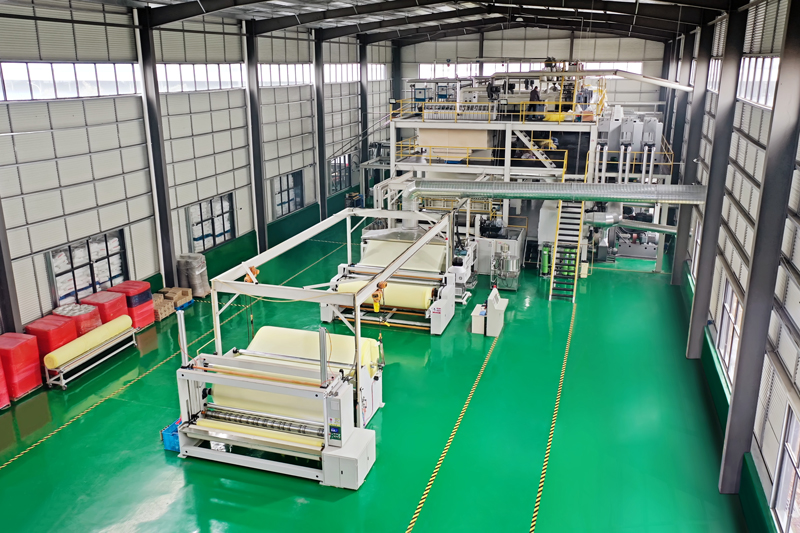
Central to this automated environment is the modern production line for spunbond nonwoven fabric. This integrated system seamlessly manages the entire process from polymer extrusion and filament spinning to web formation and thermal bonding. Automation ensures meticulous control over critical parameters—including temperature, throughput, and air pressure—throughout the production of Pp Spunbond materials. Such precise regulation guarantees uniform fabric weight, consistent mechanical properties, and a notable reduction in material waste, directly enhancing production line profitability.
A critical impact of automation is observed in quality control. Advanced sensor arrays and machine vision systems are now standard components on automated lines for spunbond Nonwoven fabric. These systems perform real-time, full-width inspection, detecting deviations in basis weight, potential defects, or contamination instantly. This allows for immediate process adjustments, ensuring that the final Pp Spunbond product consistently meets stringent specifications and virtually eliminating the delays and subjectivity associated with traditional manual quality checks.
Automation introduces predictive capabilities that optimize operational stability. By continuously analyzing data from motors, actuators, and sensors across the production line, automated systems can forecast potential equipment malfunctions in the spunbond nonwoven fabric manufacturing process. This facilitates predictive maintenance, scheduling interventions during planned downturns to prevent unplanned stops. This proactive approach significantly enhances overall equipment effectiveness and extends the operational lifespan of capital-intensive machinery.
The impact of automation on contemporary nonwoven production is foundational, particularly for widely used materials like Pp Spunbond. It has elevated manufacturing to new levels of precision and reliability, making modern spunbond nonwoven fabric production more efficient, less wasteful, and highly adaptable to market demands. As technology continues to advance, the role of automation is set to deepen further, solidifying its status as an indispensable driver of progress and competitiveness in the global nonwovens industry.