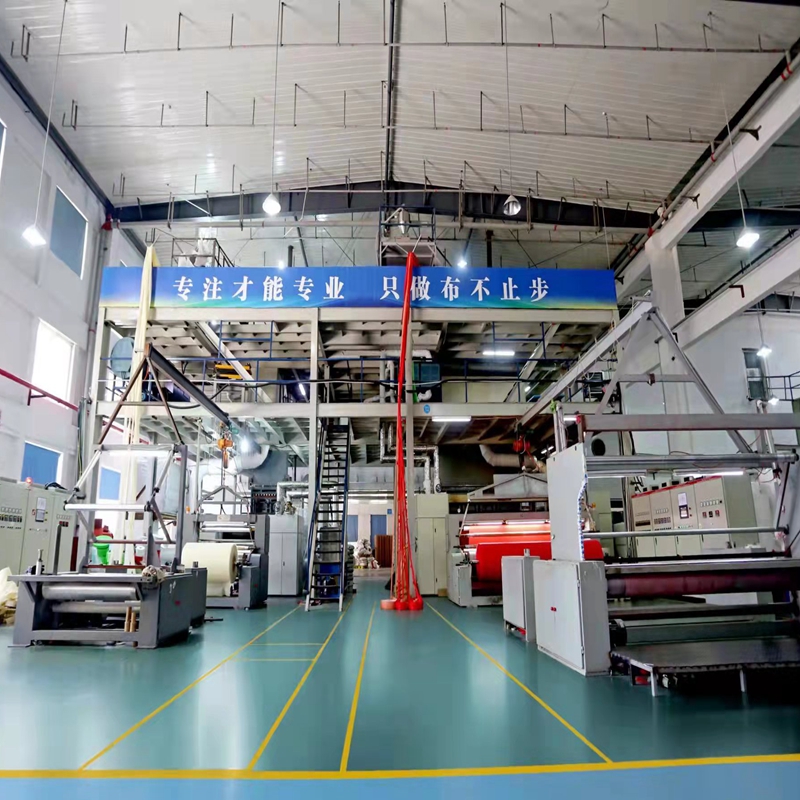
Spunbond Non-Woven Fabric, it is made by bonding together endless filaments of polypropylene without any weaving. This unique manufacturing method gives spunbond non-woven material its key characteristics: strength for its weight, breathability, liquid resistance, and cost-effectiveness. Its adaptability has made it indispensable across dozens of industries, quietly improving hygiene, safety, and convenience in our daily lives.
The most critical and widespread application is in the medical and hygiene sector. Here, the material’s barrier properties, disposability, and softness are paramount. It is the fundamental component of single-use surgical gowns, drapes, masks, and caps, providing protection against fluids and contaminants. In personal care, it forms the comfortable, absorbent top sheet and back sheet of baby diapers, feminine hygiene products, and adult incontinence products. Its ability to keep skin dry while preventing leaks showcases its perfect balance of function and comfort.
Spunbond non-wovens play a huge role in home furnishings and housewares. They are found as durable, dust-resistant furniture backings and mattress tickings, and as the breathable, water-repellent layer in bed mattress protectors. In housekeeping, they are the fabric of choice for reusable shopping bags, pillow protectors, and premium vacuum cleaner bags. Their use in geotextiles for landscaping—controlling weeds, stabilizing soil, and managing drainage—further demonstrates their durability in both indoor and outdoor environments.
The agricultural industry heavily relies on this material to enhance crop yields and protection. Used as crop covers, Spunbond Fabric acts as a protective shield against frost, insects, and excessive sun, creating a microclimate that promotes plant growth. It also serves as a weed control fabric, suppressing unwanted growth while allowing air and water to permeate the soil. This application helps reduce the need for herbicides and conserves water, making farming more efficient and sustainable.
In the packaging and industrial use, the strength and versatility of spunbond non-wovens truly shine. It is used to manufacture robust, breathable FIBC (Flexible Intermediate Bulk Container) liners for transporting agricultural products and chemicals. The material is also engineered into protective covers for machinery, filtration layers in air and liquid systems, and as reinforcement in laminated products. From high-strength fabrics for furniture to disposable protective clothing for manufacturing workers, its applications are as diverse as industry itself.
From the hospital to the farm, and from your shopping bag to your garden, spunbond non-woven material is an unsung hero of modern manufacturing. Its unique blend of functionality, economy, and adaptability solves countless practical challenges. As technology advances, we can expect even more innovative uses for this remarkable fabric, further weaving it into the fabric of our everyday lives. Whether you realized it or not, spunbond non-woven material is already an integral part of your world.