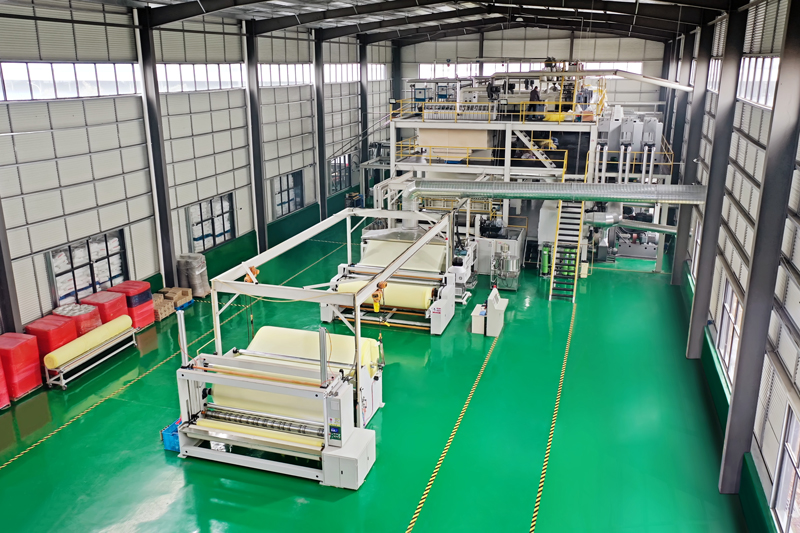
What Is Spunbond Nonwoven Fabric? Essential Beginner Facts
The production process is known for its high efficiency and scalability. Key properties of spunbond nonwoven include high tensile strength, permeability, resistance to abrasion and chemicals, and lightweight structure. It can be customized to meet specific requirements such as hydrophobicity, antistatic performance, or flame retardancy through additives and finishing treatments. These attributes make it suitable for both disposable and durable applications without the complexity of traditional textile manufacturing.
Applications of this material are extensive and varied. spunbond nonwoven in the medical and hygiene sector, it is used in surgical masks, protective clothing, diaper liners, and sanitary products. In agriculture, it functions as crop cover to improve yield and reduce environmental impact. The material also plays important roles in geotextiles for erosion control, in furniture and bedding as insulation and lining, and in automotive manufacturing for interior trim and noise reduction.
In recent years, the industry has placed greater emphasis on sustainability. Efforts are underway to develop eco-friendly alternatives, including fabrics made from recycled polymers and biodegradable materials such as polylactic acid (PLA). Production technologies are also advancing to reduce energy consumption and minimize waste. These developments align with tightening global environmental policies and growing consumer preference for sustainable products.
Spunbond nonwoven fabric is a versatile and essential material that supports a wide range of industrial and consumer applications. Its functional properties, cost-effectiveness, and adaptability continue to drive its adoption worldwide. As technology and material science evolve, it is expected to play an even greater role in promoting innovative and sustainable solutions across various industries.