Leave Your Message

2026 Top Spunbond Nonwoven Machine Manufacturers?

Choosing the 2026 top Spunbond Nonwoven Machine manufacturers requires more than comparing brochure speeds. Real performance appears on the factory floor, beside the die, winder, and control cabinet.

This guide examines established suppliers such as Reifenhäuser Reicofil, Oerlikon Neumag, ANDRITZ, and other experienced equipment makers. It considers line output, filament uniformity, energy consumption, automation, material flexibility, and after-sales support. A machine may promise 600 meters per minute. However, stable production matters more than a headline figure. Operators notice tension variation, filter changes, startup waste, and cleaning time.

Dr. Seshadri Ramkumar, a recognized nonwovens expert, has described nonwovens as “the fabrics of the future.” That view remains relevant in 2026, but the future is not automatic. Manufacturers must prove their claims through customer references, factory trials, documented specifications, and responsive technical service. Buyers should request test data using similar polymers, basis weights, and working widths.

Some rankings remain imperfect. Public information often favors large companies, while smaller specialists may deliver stronger local support. That difference deserves closer review. A reliable comparison should examine total ownership cost, not only the purchase price. Spare-part availability can decide whether a production line stops for hours or days. Training quality matters, too.

The manufacturers discussed here are assessed through practical, technical, and commercial criteria. The goal is not to declare one universal winner. It is to help investors identify the Spunbond Nonwoven Machine partner that best fits their products, workforce, budget, and long-term production goals.

2026 Top Spunbond Nonwoven Machine Manufacturers?

What Is a Spunbond Nonwoven Machine?

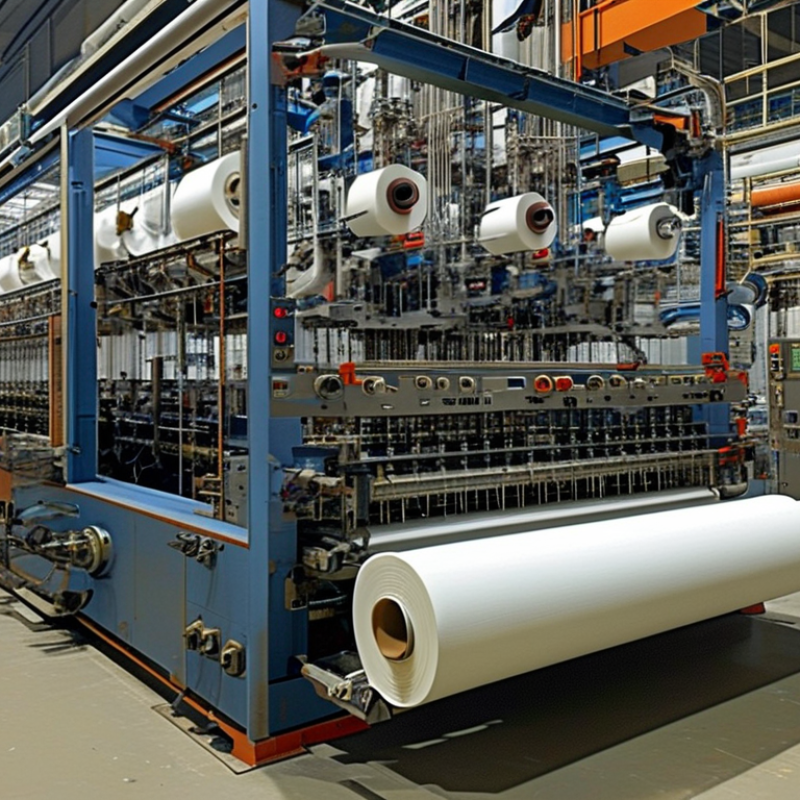
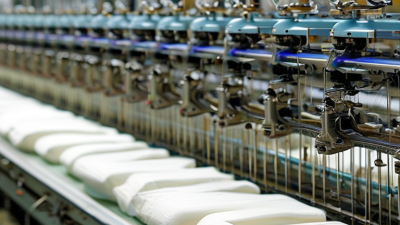
A spunbond nonwoven machine produces continuous synthetic filaments and forms them into a strong fabric web. It usually melts polymer resin, such as polypropylene, through a heated extruder. A spinning unit creates fine filaments, while an air system stretches and cools them. The filaments then land on a moving conveyor in a random pattern. Heat, pressure, or both bond the web into fabric.

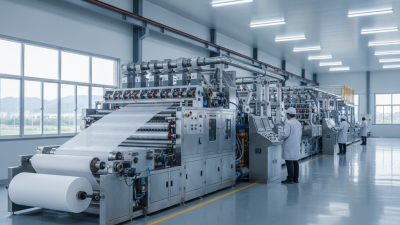
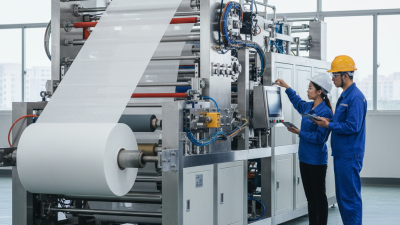
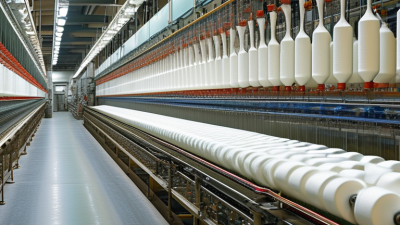
This process can run continuously, which supports stable production for hygiene products, medical covers, packaging, agriculture, and construction materials. A complete line may include resin feeding, extrusion, spinning, web forming, bonding, winding, and edge trimming systems. In practical factory inspections, operators should check fabric weight, tensile strength, elongation, width accuracy, and roll appearance. Small temperature changes can affect filament quality. That detail is easy to underestimate. Energy use, maintenance access, dust control, and operator safety also influence long-term performance. A faster line is not always the better investment.

Tips: Compare output using the same fabric weight and raw material. Ask for production records, not only catalog figures. Inspect sample rolls for holes, uneven bonding, loose edges, and thickness variation. Confirm whether technicians can support installation and training. Leave space around the line for cleaning and repairs. Also review actual power consumption under normal production conditions. Specifications may look impressive, but factory results can differ. A trial run is worth arranging before purchase.

How Does a Spunbond Nonwoven Machine Work?

2026 Top Spunbond Nonwoven Machine Manufacturers?

How Does a Spunbond Nonwoven Machine Work?

A spunbond nonwoven machine begins with polymer pellets, usually polypropylene, fed into a heated extruder. The material melts and passes through a spinneret containing many tiny holes. These holes form continuous filaments. Air then cools and stretches the filaments before they settle on a moving conveyor.

The web looks loose at first. Heat and pressure bond the fibers together through a calender, creating a stable fabric with controlled strength and softness. Sensors monitor temperature, airflow, line speed, and fabric weight. A small temperature drift can create uneven bonding or visible streaks. Practical operators inspect the web regularly, because automated controls are helpful but not perfect.

Tips: Keep the polymer supply clean and dry. Check spinneret holes during scheduled maintenance. Adjust airflow gradually, not suddenly. Record changes in fabric weight, tension, and bonding pressure. These records make troubleshooting more reliable.

Machine performance depends on more than maximum speed. Uniform fiber formation, steady cooling, accurate winding, and simple maintenance often matter more in daily production. The process seems straightforward, but it is not completely forgiving. Minor setup mistakes may waste material before the problem becomes obvious. A careful commissioning test should examine fabric appearance, tensile strength, elongation, and roll consistency. Selection should follow the intended product, production volume, and available technical support.

What Defines a Top Manufacturer in 2026?

In 2026, a top spunbond nonwoven machine manufacturer is defined by measurable performance, not impressive promises. Experienced buyers inspect fabric formation, web uniformity, and roll hardness during live trials. A stable line should control polymer temperature, airflow, basis weight, and winding tension with minimal drift. Small variations matter. They can become visible streaks, weak edges, or rejected rolls.

Professional manufacturers provide traceable test data, clear machine specifications, and documented factory acceptance procedures. They also explain realistic output instead of presenting ideal laboratory figures. Strong engineering teams support installation, operator training, troubleshooting, and planned maintenance. Their technical advice should reflect the customer’s polymer, product weight, working speed, and factory conditions. More automation is not always better. It can hide basic process problems when operators lack practical training. This is an area where many evaluations need more honesty.

Tips: Request a production trial using your intended raw material. Measure basis-weight variation across the full working width. Check noise, energy use, changeover time, and spare-part availability. Ask how quickly remote support responds. Review independent inspection records when possible. A short trial may reveal weaknesses that a polished presentation will not. Also, leave room for improvement; even a reliable line requires skilled operators and regular process review.

2026 Top Spunbond Nonwoven Machine Manufacturers? — What Defines a Top Manufacturer in 2026?
Evaluation Dimension 2026 Reference Benchmark What a Top Manufacturer Should Demonstrate Verification Method or Relevant Standard
Production Technology Industrial spunbond lines using continuous polymer filament extrusion, web formation and thermal bonding. Stable process control from polymer melting through spinning, web laying and bonding, with documented operating limits. Review process-flow documentation, commissioning records and production trial results.
Polymer Compatibility Configuration commonly designed for polypropylene; some systems may support polyester or other thermoplastic polymers when specifically engineered. Clear polymer, additive and grade requirements, together with validated melt-flow and drying conditions. Check polymer technical data sheets, melt-flow requirements and compatibility test reports.
Finished Fabric Basis Weight Common commercial range: approximately 10–150 g/m², depending on end use and line configuration. Accurate basis-weight control across the specified product range, including low-basis-weight medical, hygiene and filtration fabrics. Measure according to ISO 9073-1 or ASTM D3776/D3776M using representative samples.
Effective Fabric Width Typical industrial configurations range from approximately 1.6 m to more than 6 m; the usable width depends on the line design. Low edge trim, consistent cross-direction uniformity and a documented maximum usable width rather than only the mechanical frame width. Confirm approved product width, trim allowance and cross-direction basis-weight mapping.
Line Speed Common commercial operating speeds are approximately 300–800 m/min; actual speed depends on basis weight, polymer and bonding method. Published speed should be linked to a defined product specification, not presented as an unloaded or laboratory maximum. Validate speed at an agreed basis weight, width, polymer throughput and quality level during acceptance testing.
Production Capacity Capacity is determined by throughput, basis weight, width, line speed, uptime and product mix; it should be stated in tonnes per day or tonnes per year with assumptions. Transparent capacity calculations, realistic availability assumptions and separate ratings for standard and specialty products. Use the relationship: mass output = basis weight × usable width × line speed, adjusted for efficiency and uptime.
Basis-Weight Uniformity Uniformity must be specified by product, direction and sampling method; there is no single universal tolerance for every spunbond application. Demonstrated machine-direction and cross-direction control supported by online monitoring, alarm limits and statistical process records. Compare laboratory maps and online data using a defined sampling plan and customer-approved tolerance.
Mechanical Performance Tensile strength, elongation, tear strength and puncture resistance vary with polymer, basis weight, bonding pattern and orientation. Ability to meet application-specific mechanical targets consistently rather than relying only on peak tensile values. Use ISO 9073-3 for tensile properties; add application-specific tear, puncture or seam tests where required.
Bonding System Thermal calender bonding is widely used; bonding pattern, temperature, pressure and roll design directly affect strength, softness and appearance. Controlled bonding temperature and pressure, stable nip operation, replaceable patterns and documented product-development capability. Review bonding-window trials and test strength, elongation, softness, air permeability and visual defects.
Energy Efficiency Energy performance should be reported as a measured value such as kWh per kilogram of finished fabric under defined operating conditions. Efficient extruders, motors, heaters, drives and thermal management, with transparent electricity and compressed-air consumption data. Measure utility consumption during a witnessed production trial at an agreed product specification.
Automation and Data Modern systems generally use PLC-based control, operator interfaces, recipe management, alarms and production-data collection. Traceable recipes, user permissions, historical trends, remote diagnostics and secure data export without compromising plant cybersecurity. Conduct a functional test covering recipe recall, alarm history, audit trails, backups and data ownership.
Quality Management Manufacturing quality should be controlled through documented inspection, calibration, nonconformance handling and corrective action. A functioning quality-management system with traceability for critical components, inspection records and final documentation. Request current quality certificates and audit the quality plan, inspection points and calibration records.
Safety Engineering Equipment should address guarding, emergency stops, interlocks, hot surfaces, pressure hazards, electrical safety and safe maintenance access. Risk assessment, safety circuits, clear lockout/tagout procedures and compliance documentation for the destination market. Review the machine risk assessment, electrical documentation, safety validation and applicable local requirements.
Installation and Commissioning Project success depends on documented utilities, foundation requirements, layout, assembly, calibration and trial-production procedures. Provides installation drawings, utility-load lists, commissioning milestones, operator training and performance acceptance criteria. Use a signed installation and acceptance protocol with measurable output and quality targets.
After-Sales Support Long-term support requires spare-parts availability, troubleshooting, preventive maintenance guidance and technical response procedures. Defined response times, critical-spares recommendations, service training and lifecycle support for control and mechanical systems. Review the service-level agreement, spare-parts list, escalation process and reference installations without relying on brand claims alone.
Sustainability and Recyclability Polyolefin spunbond products can support recycling when material selection, additives, coatings and product construction are appropriately controlled. Offers mono-material options where technically suitable, minimizes process waste and provides verified energy and material data. Review recycled-content declarations, waste records, life-cycle data and applicable recyclability requirements for the target market.
Total Cost of Ownership Purchase price alone is insufficient; evaluation should include utilities, labor, waste, maintenance, spare parts, downtime and product yield. Provides a transparent five- to ten-year cost model based on stated production volume, product mix and operating assumptions. Compare suppliers using the same capacity, quality, uptime, energy and maintenance assumptions.
Manufacturer Qualification Technical claims should be supported by operating references, factory acceptance testing and documented project experience. Can provide verifiable installations, defined performance guarantees, accountable project management and evidence of continuous engineering support. Conduct reference checks, factory audits, witnessed trials and contract-based performance acceptance.
Data note: The numerical ranges are industry reference benchmarks rather than specifications for any individual supplier or brand. Actual performance depends on polymer type, basis weight, usable width, bonding pattern, product mix, utilities, operating conditions and agreed quality tolerances.

Top Spunbond Nonwoven Machine Manufacturers in 2026

In 2026, top spunbond nonwoven machine manufacturers are judged by more than output speed. Experienced buyers examine web uniformity, energy use, polymer compatibility, and long-term service support. A reliable line should produce stable fabric across different basis weights. It should also recover quickly after a material change. Small details matter, such as tension control, filter access, and sensor accuracy.

Leading manufacturers usually provide pilot testing, process data, installation guidance, and operator training. Ask for production records from comparable lines, not polished demonstrations alone. A factory visit can reveal maintenance habits, spare-parts storage, and the cleanliness of the control room. Practical suppliers explain limits clearly. That builds trust. However, published capacity figures may not match real operating conditions. Humidity, resin quality, power stability, and operator experience can reduce output. This is often overlooked.

Strong manufacturers also design systems with remote diagnostics and replaceable components. Their engineers should understand melt temperature, quenching airflow, draw ratios, and electrostatic control. Documentation must be clear enough for technicians during a night shift. Safety guarding and emergency systems require careful verification before commissioning. I have found that cheaper offers can become expensive when downtime, training gaps, and delayed parts are included. The best choice is not always the fastest machine. It is the equipment that remains consistent after months of ordinary production. Even experienced teams should question their assumptions. Some decisions still depend on local labor, product requirements, and available technical support.

2026 Top Spunbond Nonwoven Machine Manufacturers: Industry Capability Benchmark

The chart compares typical maximum production speeds for major commercial spunbond and spunmelt machine configurations available in the 2026 market. Actual performance depends on polymer type, basis weight, filament denier, working width, and product requirements.

Data unit: meters per minute. Values represent typical published equipment capability ranges and industry benchmarks rather than company rankings or brand-specific performance.

How to Choose the Right Spunbond Machine Manufacturer

Choosing the right spunbond nonwoven machine manufacturer in 2026 starts with process fit, not a polished catalog. Define your target width, basis weight, fiber denier, polymer type, and production speed. Request production samples and test rolls. Reliable manufacturers explain melt temperature, quench airflow, web uniformity, and machine tolerances clearly.

Inspect the factory if possible. Look at spin beams, control cabinets, safety guards, and calibration records. Ask for references from plants with similar output requirements. Service quality matters just as much as machine design. Confirm commissioning support, operator training, spare-part availability, and remote troubleshooting. Ask how quickly technicians respond during an unexpected shutdown. It sounds minor. It is not.

Compare total ownership cost, not only the purchase quotation. Include electricity, compressed air, filters, maintenance labor, consumables, and possible downtime. Request a written performance test with agreed conditions. A supplier may advertise impressive speed, yet stable production at 30–50 gsm could matter more. Consider a pilot run with a difficult recipe or recycled-content blend. Some decisions look obvious on paper. They are not. Operators may notice vibration, awkward cleaning access, or confusing alarms before engineers do. Choose a manufacturer that documents limitations honestly and adjusts the design after practical feedback.