Buying a Spunbond Nonwoven Machine is a major decision for manufacturers serving medical, hygiene, agricultural, and industrial markets. The wrong configuration can create uneven webs, unstable production, and unnecessary material waste. A low purchase price does not always mean lower operating costs. Energy use, maintenance access, and spare-part availability matter every day.
This guide examines seven leading machine options for global buyers. Each choice is considered through practical production factors, including output capacity, filament quality, die design, airflow control, and line automation. Experience from nonwoven production shows that small details matter. Cooling performance can affect fabric uniformity. Winder accuracy can influence roll quality. Operator training also changes results.
The comparison also considers supplier engineering support, installation guidance, warranty clarity, and after-sales response. These points are easy to overlook. They should not be. Reliable suppliers provide technical documentation, realistic performance data, and clear answers about local standards. Buyers should verify claims through factory trials, reference customers, and detailed quotations. A brochure may look perfect, but factory conditions are rarely perfect. Raw material changes, humidity, and operator habits can affect performance.
No machine wins every category. Some options may offer higher throughput, while others provide simpler maintenance or better flexibility for smaller plants. This review aims to support careful evaluation rather than push one universal answer. Global buyers can use these insights to match equipment with product requirements, investment limits, workforce skills, and long-term production goals. Expect useful comparisons, but keep questioning the numbers.
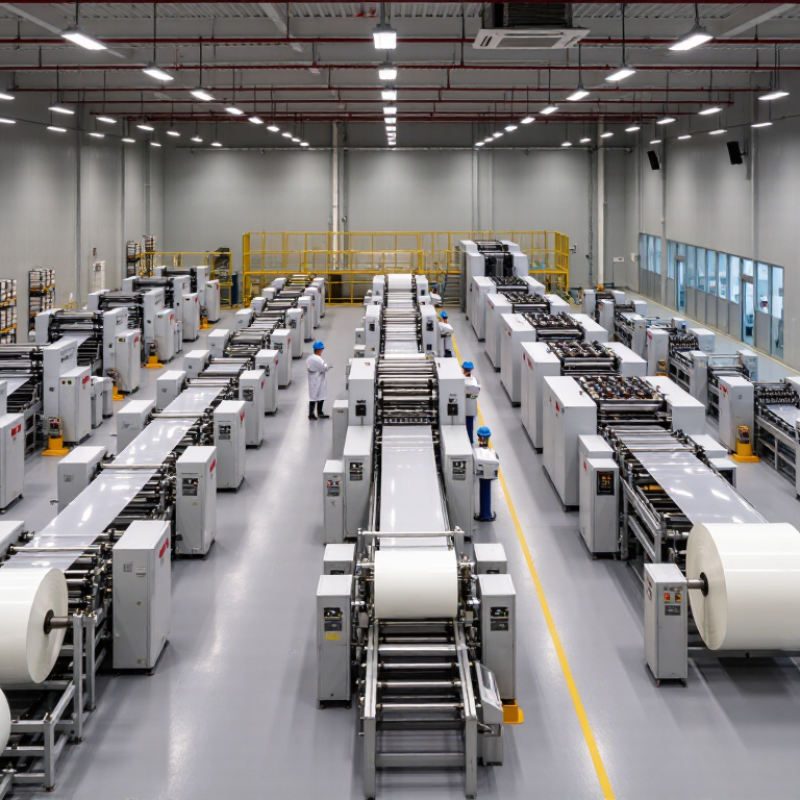
Spunbond nonwoven machines convert thermoplastic polymer pellets into continuous fabric. The process uses heat, pressure, airflow, and controlled web formation. Unlike woven equipment, these machines create fabric without traditional yarn interlacing.
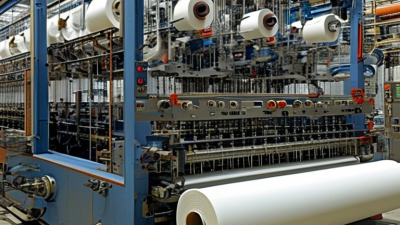
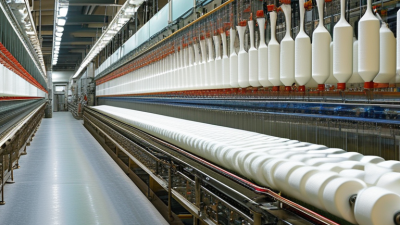
Pellets enter an extruder and melt at a carefully controlled temperature. A metering pump then sends the polymer through a spinneret with many tiny holes. Each opening produces a fine filament. Cooling air quickly strengthens the filaments before they stretch and fall onto a moving forming belt. The fibers overlap randomly, creating a soft and even web. It looks simple. It is not.
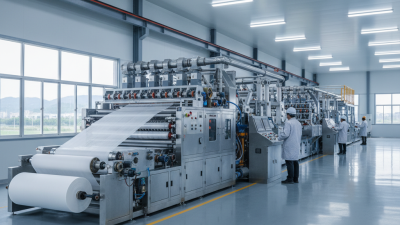
A pair of heated calender rollers bonds the web through pressure and patterned heat. Operators can adjust fabric weight, strength, width, and surface appearance. The finished material is trimmed, inspected, and wound into rolls. Small temperature changes can affect filament quality. Uneven airflow may create weak areas across the roll. This is where machine design and operator experience matter. Buyers should examine output stability, energy use, spare-part access, and cleaning procedures. A high-speed line may look impressive, yet poor tension control can waste material. That uncomfortable detail deserves attention. Proper trials with the intended polymer and fabric specifications provide more reliable purchasing evidence than brochure figures alone.
Choosing the right spunbond machine depends on fiber type, fabric weight, width, and target market. A single-beam PP line suits common hygiene and packaging fabrics. A double-beam line offers higher output and better production flexibility. It needs more floor space and stronger process control. PET spunbond machines handle heat-resistant applications, including filtration and industrial textiles. They require stable drying and carefully controlled temperatures.
Bicomponent spunbond machines create functional fibers with two polymer sections. They support softness, elasticity, or special bonding effects. Compact narrow-width machines fit smaller factories and customized orders. Wide-width high-output machines serve construction fabrics, agricultural covers, and large-scale converters. Spunbond-meltblown combination lines add filtration layers and improve product range. They also demand stricter maintenance and cleaner air management.
Look closely at the extruder, filtration unit, spinning beam, quenching system, web former, calender, and winder. These parts control consistency more than advertised speed alone. I have seen fast lines lose value when tension changes create uneven rolls. A practical trial should check basis weight, tensile strength, elongation, pore structure, and winding quality. Ask for production records, spare-parts plans, operator training, and safety documentation. Do not trust a brochure alone. Energy use, local technical support, and compliance requirements can change the final cost. Even experienced buyers may misjudge demand. A flexible machine can be wiser than the largest one.
Seven leading spunbond machine options serve different production goals, budgets, and factory conditions. A high-speed single-beam line suits large orders for hygiene fabrics and agricultural covers. A dual-beam line offers better output flexibility, especially when buyers need two basis weights. A compact spunbond machine fits smaller factories with limited floor space and trained staff. Its shorter path can simplify maintenance, though output may be lower. A wide-width line supports furniture covers, filtration media, and construction fabrics. Buyers should check usable width, edge trim loss, and roll winding accuracy.
A multi-layer spunbond machine creates stronger fabrics by combining different filament structures. It can improve softness, tensile strength, or liquid resistance without changing the entire line. An energy-conscious servo-driven model reduces idle movement and may lower power consumption during long shifts. The seventh option is a modular pilot line for product testing and regional production. It allows faster trials with colors, weights, and recycled polymer blends. No option is perfect. High-speed equipment can demand stricter temperature control and more experienced operators. I would inspect die uniformity, quench airflow, filter access, spare-part supply, and safety documentation before signing a contract. A clear acceptance test matters. Production data should cover speed, gsm variation, startup waste, noise, and energy use. Some published capacity figures look attractive, but real performance can change with polymer quality, humidity, and operator training.
Representative maximum output benchmarks for widely used spunbond and composite nonwoven line configurations. Actual capacity depends on polymer type, filament fineness, product weight, working width, and operating speed.
Capacity figures are typical industry reference ranges expressed as approximate kilograms per hour, not brand-specific specifications.
Choosing among the seven best spunbond nonwoven machines starts with capacity, not the lowest quotation. Compare usable output, fabric width, basis weight, and line speed. A 3.2-meter line running at 450 meters per minute may outperform a faster narrow line. However, advertised speed is not stable production speed. Ask for verified output under your target material and GSM range.
Material compatibility changes the calculation. Polypropylene suits many hygiene and packaging applications, while polyester supports higher heat resistance. PLA can support bio-based product goals, but it may require tighter thermal control. According to Grand View Research, the global nonwoven fabrics market was valued at about USD 53.5 billion in 2023, with projected growth through 2030. That growth does not guarantee equal demand for every polymer. Local buyers should test melt flow, fiber strength, shrinkage, and recycling requirements before purchasing.
Automation deserves practical inspection. Check automatic tension control, recipe storage, alarm history, web monitoring, and remote diagnostics. These features reduce waste during changeovers. They also expose operator errors faster. Industry 4.0 tools sound impressive, yet a poorly calibrated sensor can create expensive false alarms. Smithers’ nonwovens market analysis highlights continuing investment in high-output, flexible production lines. My caution is simple: request a factory acceptance test using your resin, die width, and target GSM. A machine that performs beautifully in a demonstration may behave differently on Monday morning.
7 Best Spunbond Nonwoven Machines for Global Buyers
Buying Factors: Quality, Compliance, Support, and Total Cost
The seven strongest options include single-beam PP, double-beam, high-speed, PET, bicomponent, recycled-compatible, and compact pilot lines. Each machine fits a different production target. A reliable line should produce even webs across the roll width. Check basis-weight variation, filament strength, die stability, and calender temperature control. Ask for test reports using your actual polymer and target fabric weight. A glossy sample can hide weak bonding.
Compliance needs practical verification. Review electrical safety documents, guarding systems, emergency stops, and machine documentation. Confirm that materials and components meet the destination market’s requirements. Certificates alone are not enough. Inspect the control cabinet, wiring labels, and software access during a factory visit. This small step often reveals costly gaps.
Support can decide whether a line earns money. Require installation training, spare-parts lists, response times, and remote troubleshooting procedures. Ask how quickly technicians can diagnose broken filaments or uneven winding. Total cost includes energy, labor, filters, dies, maintenance, freight, and downtime. A cheaper quote may become expensive after six months. I have seen buyers focus too heavily on output speed and overlook changeover losses. That was a poor assumption. Request a full operating-cost model, including realistic waste rates. Leave room for future upgrades, but avoid paying for capacity your market cannot absorb.
| Rank | Machine Configuration | Typical Product Range | Typical Working Width | Practical Output Range | Quality and Process Strengths | Compliance Considerations | Recommended Support Package | Indicative Equipment Cost | Estimated Energy Demand | Best Buyer Profile | Overall Buying Score |
|---|---|---|---|---|---|---|---|---|---|---|---|
| 1 | High-Speed SSMMS PP Spunbond Line | Medical gowns Hygiene topsheets Filtration prelayers | 3.2–5.2 m | 350–650 kg/h | Five-layer construction, fine and uniform webs, strong basis-weight control, high production stability, and good tensile balance in both machine and cross directions. | Specify CE or equivalent electrical conformity, machine guarding, emergency-stop systems, ISO 9001 supplier controls, and product-specific requirements such as ISO 13485 or EN 14683 when applicable. | On-site installation, operator training, remote diagnostics, commissioning support, critical-spares list, and a documented preventive-maintenance schedule. | Approximately US$2.5–6.0 million, excluding building work, utilities, taxes, and downstream converting equipment. | Approximately 0.9–1.4 kWh/kg of finished fabric, depending on polymer grade, basis weight, line speed, and heating efficiency. | Large converters targeting medical, hygiene, and export markets where consistent quality and high throughput are essential. | 9.2 / 10 |
| 2 | High-Speed SMS Spunbond and Meltblown Line | Protective apparel Medical drapes Liquid-barrier laminates | 1.6–3.2 m | 180–400 kg/h | Combines spunbond strength with meltblown filtration and barrier performance; suitable for multilayer structures with controlled air permeability and hydrostatic resistance. | Confirm electrical safety, pressure and thermal safety, clean-air requirements, and testing capability for applicable barrier, filtration, flammability, and biocompatibility claims. | Process recipe development, meltblown die calibration, filter-change training, spare-parts support, and laboratory testing assistance are particularly valuable. | Approximately US$1.8–4.5 million, excluding utilities and auxiliary equipment. | Approximately 1.1–1.8 kWh/kg, with higher consumption possible at very fine-fiber settings and elevated meltblown air demand. | Manufacturers needing one line for both durable spunbond fabrics and higher-barrier composite materials. | 9.0 / 10 |
| 3 | Standard PP Double-Beam Spunbond Line | Agricultural covers Furniture fabrics Packaging materials | 2.4–4.2 m | 180–350 kg/h | Reliable two-beam production, broad basis-weight capability, good mechanical strength, relatively simple process control, and lower technical complexity than multilayer systems. | Require conformity documentation, guarding and interlock verification, electrical-panel standards suitable for the destination market, and traceable material certificates for key components. | Factory acceptance testing, installation supervision, standard operator training, remote service, and availability of heaters, filters, sensors, and spinning components. | Approximately US$0.9–2.2 million, excluding site preparation and ancillary systems. | Approximately 0.8–1.3 kWh/kg under normal production conditions. | Mid-sized producers seeking a versatile general-purpose line with a manageable investment and straightforward maintenance. | 8.7 / 10 |
| 4 | Compact Single-Beam PP Spunbond Line | Shopping bags Agricultural fabric Basic hygiene components | 1.6–3.2 m | 80–220 kg/h | Lower installation footprint, simpler start-up procedure, economical production of common PP grades, and suitable control of light-to-medium basis weights. | Verify local machinery-safety conformity, electrical compatibility, noise controls, fire protection, and documentation for polymer-contact or hygiene applications where relevant. | Remote commissioning, basic training, digital manuals, recommended spare-parts stock, and response-time commitments for troubleshooting. | Approximately US$0.45–1.1 million, excluding building, utilities, and packaging equipment. | Approximately 0.9–1.5 kWh/kg, depending on line size and utilization rate. | New entrants, regional converters, and buyers testing demand before committing to a high-capacity multilayer installation. | 8.5 / 10 |
| 5 | Bi-Component Sheath-Core Spunbond Line | Elastic nonwovens Soft hygiene layers Specialty filtration media | 2.4–4.0 m | 120–280 kg/h | Produces functional fibers with a controlled sheath and core; enables softer hand feel, thermal bonding options, lower bonding temperatures, and specialty performance characteristics. | Confirm polymer compatibility, material traceability, process validation, chemical-management controls, and application-specific requirements for skin contact or medical use. | Specialist process engineers, polymer-pair trials, recipe support, die-maintenance training, laboratory evaluation, and longer-term technical service. | Approximately US$1.5–3.8 million, excluding polymer-dosing, testing, and converting systems. | Approximately 1.0–1.7 kWh/kg, influenced by polymer combinations and bonding conditions. | Producers competing in higher-margin specialty markets rather than commodity fabric production. | 8.4 / 10 |
| 6 | High-Basis-Weight PP Spunbond Line | Geotextiles Construction membranes Industrial protection | 3.2–6.0 m | 300–700 kg/h | Designed for heavier fabrics, high tear strength, robust web handling, wide-roll production, and stable operation with higher polymer throughput. | Check structural and safety conformity, lifting and roll-handling provisions, applicable geotextile or construction-product test methods, and factory quality-control records. | Layout engineering, foundation guidance, roll-handling training, wear-parts planning, scheduled service visits, and performance guarantees tied to agreed test conditions. | Approximately US$1.4–3.5 million, excluding foundations, utilities, and finishing equipment. | Approximately 0.7–1.2 kWh/kg because higher throughput can reduce energy consumption per kilogram. | Industrial producers with reliable demand for durable, heavy-gauge fabrics and access to large-scale logistics infrastructure. | 8.3 / 10 |
| 7 | Pilot and Small-Scale Spunbond Development Line | Product development University research Small-batch specialty fabrics | 0.6–1.6 m | 20–100 kg/h | Fast material trials, lower polymer consumption during development, flexible process adjustment, and lower risk when validating new additives, colors, or web structures. | Require laboratory and machinery-safety documentation, ventilation assessment, polymer-handling procedures, and clear limits on using pilot results for commercial product claims. | Application training, trial-planning assistance, data logging, recipe backup, remote support, and readily available low-volume spare parts. | Approximately US$0.25–0.9 million, depending on automation, extrusion capacity, and optional testing systems. | Approximately 1.0–2.0 kWh/kg because smaller lines generally operate below the efficiency of full-scale production systems. | Research organizations and manufacturers that need to reduce commercial-scale trial risk before investing in a larger line. | 8.1 / 10 |

Note: Cost, output, width, and energy figures are indicative international market ranges for new PP spunbond equipment. Actual performance depends on polymer grade, basis weight, die design, line speed, automation level, utility conditions, labor costs, installation scope, and destination-country compliance requirements. Buyers should require a factory acceptance test and a total-cost-of-ownership quotation before purchase.