10 Best SS Non Woven Fabric Machines for Global Buyers
Choosing an SS Non Woven Fabric Machine is a production decision, not merely an equipment purchase. Global buyers must compare output, fabric uniformity, energy use, maintenance access, and supplier support. A polished brochure can hide important details.
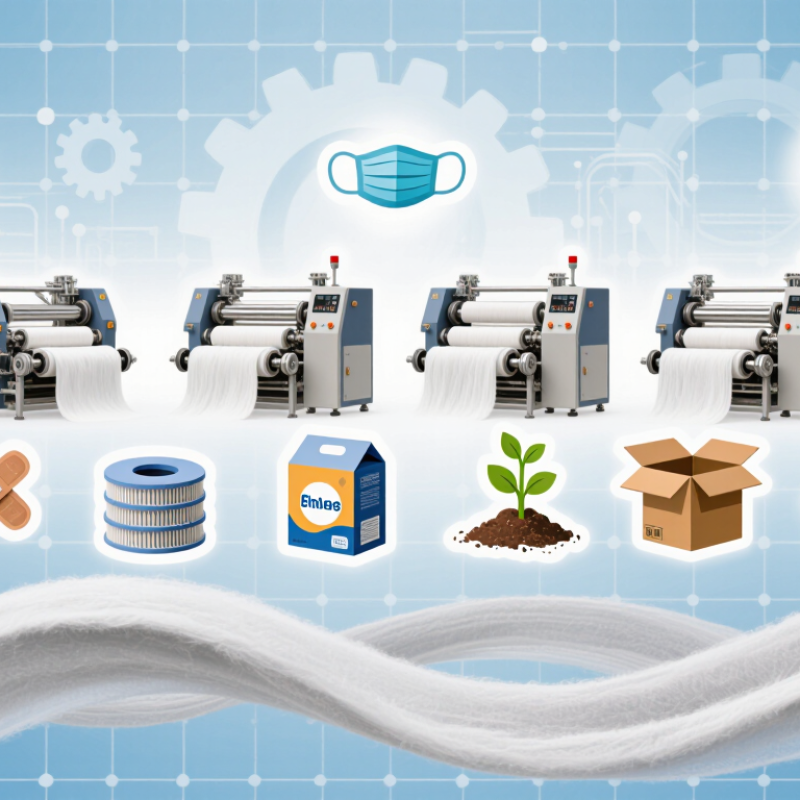
Dr. Behnam Pourdeyhimi, a leading nonwovens researcher, has stated, “Nonwovens are everywhere.” This simple observation explains the industry’s broad reach. SS lines support fabrics used in hygiene products, medical applications, filtration, packaging, agriculture, and construction. Each market demands different specifications, including basis weight, tensile strength, softness, filtration efficiency, and web stability.
Small details matter.
A reliable SS Non Woven Fabric Machine should deliver consistent spunbond layers during long production runs. Buyers should inspect die design, spinning technology, bonding performance, automatic controls, and spare-part availability. Factory trials are especially valuable. They reveal whether the machine handles actual polymer grades, target speeds, and requested fabric weights.
Still, no ranking can suit every factory. A high-speed line may be unsuitable for a smaller converter with limited technical staff. A lower-cost option may create higher maintenance expenses later. This comparison examines ten machines for global buyers, while recognizing that available data is sometimes incomplete. Performance claims deserve verification through technical documents, sample testing, reference visits, and clear acceptance standards.
The best choice is rarely the most impressive machine. It is the machine that fits the buyer’s product, workforce, budget, and future capacity.
SS Non Woven Fabric Machine Basics and Production Principles
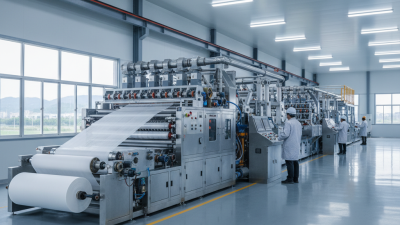
SS nonwoven fabric machines use two spunbond systems to form a continuous web.
Most lines process polypropylene resin, although suitable polymers depend on equipment design and product requirements. Pellets enter an extruder, where controlled heat melts them evenly. A filter removes impurities before the melt reaches the spinning assembly.
The melt passes through hundreds of tiny holes and becomes fine filaments. Cooling air solidifies these filaments, while drawing airflow stretches them and improves uniformity. The first and second spunbond layers then spread across a moving forming belt. Their overlapping structure gives the fabric better coverage and strength. A heated calender bonds the layers through pressure and temperature. Finally, the fabric is trimmed and wound into rolls.
Operators should monitor melt pressure, air temperature, line speed, and basis weight continuously. Small changes can create visible streaks or weak edges. In a production trial, a 15-gsm web may feel smooth but still fail tensile testing if bonding is uneven. That is why visual inspection alone is unreliable. Samples should be checked for weight, thickness, tensile strength, elongation, and roll hardness. Clean filters matter. So does steady cooling airflow. A practical weakness remains: even a well-adjusted machine can produce variation during startup or material changes. Experienced technicians record these fluctuations instead of hiding them, then adjust temperature, tension, and speed after reviewing test data.
Key Specifications for Comparing SS Non Woven Fabric Machines
When comparing SS non woven fabric machines, start with usable output, not the advertised maximum. A practical line should state production rates at specific fabric weights, widths, and polymer grades. Check whether the quoted speed applies to stable operation. It often does not.
Review the working width and the adjustment range. A machine producing 1.6 to 3.2 meters offers broader planning flexibility. Confirm the target GSM range, filament denier, and web uniformity across the full width. Two spunbond beams should be evaluated separately. Compare melt flow requirements, extruder capacity, die-hole design, and temperature control accuracy. Small thermal variations can create visible stripes in light fabric. Airflow settings also matter. Uneven suction may cause edge thinning or unstable web formation.
Look beyond the main machine. Inspect the calender pressure range, bonding temperature, winding tension, and roll diameter. These details affect strength, appearance, and downstream handling. Ask for energy use per kilogram under normal production conditions. Electrical load, compressed-air demand, and cooling-water consumption can change operating costs significantly. Control systems should record alarms, recipe settings, and production data for traceability. Safety guarding and emergency stops must be practical, not merely listed. From factory evaluations, service access is often underestimated. A crowded maintenance area can extend downtime. I would also request sample rolls from comparable settings, because laboratory results may not reflect daily production. That extra check takes time. It can prevent an expensive assumption.
10 Best SS Non Woven Fabric Machines for Global Buyers
Key Specifications for Comparing SS Non Woven Fabric Machines
This benchmark compares ten representative SS spunbond machine configurations using commonly specified commercial ranges. Higher line speed and output can improve productivity, while wider working width supports larger production volumes. Actual performance depends on polymer type, filament denier, fabric GSM, energy use, and operating conditions.
Ten Leading SS Non Woven Fabric Machines for Global Buyers
Ten Leading SS Non Woven Fabric Machines for Global Buyers
SS spunbond nonwoven machines combine two spunbond beams for stable, uniform fabric production. They commonly support hygiene, medical, agriculture, and packaging applications. Grand View Research estimated the global nonwoven fabric market at about USD 53.7 billion in 2023. Its forecast indicates continued growth through 2030, increasing demand for reliable production equipment.
The ten leading machine options should be compared through measurable factors, not appearance. Check output capacity, GSM accuracy, energy consumption, polymer compatibility, and automatic tension control. A practical SS line may produce lightweight fabric from roughly 10 to 80 GSM, depending on configuration.
Operators should inspect the die, spinning system, web-forming unit, calender, and winding section. Small temperature variations can create visible stripes across a finished roll.
Smithers’ industry analysis identifies hygiene and filtration as important nonwoven demand areas. INDA reports also emphasize efficiency, quality consistency, and recycled-material development. These trends make online monitoring and quick material changeover increasingly valuable.
I would not treat the highest output as the best choice. A faster line may consume more energy or require harder maintenance. Buyers should request trial fabric, production records, spare-parts terms, and verified energy data. One detail is often missed: local technician support can matter more than a polished specification sheet.
How to Evaluate Capacity, Quality, Energy Use, and Automation
10 Best SS Non Woven Fabric Machines for Global Buyers
Capacity should mean saleable output, not the number printed in a brochure. Test an SS line at your target GSM, polymer mix, and fabric width. Record kilograms per hour after startup, trim loss, rejects, and filter changes. A wider line may deliver more output, yet poor web uniformity can erase that advantage. Smithers’ The Future of Global Nonwovens to 2028 identifies hygiene, medical, and filtration products as major growth areas, where stable quality matters more than peak speed.
Check basis-weight variation, tensile strength, elongation, and bonding consistency across the full roll. Ask for laboratory results and a witnessed factory trial. ISO 9001 procedures help, but they do not replace process evidence. Small defects become expensive at high speed. They do.
Energy evaluation needs a real denominator: kilowatt-hours per kilogram of acceptable fabric. IEA’s Energy Technology Perspectives 2024 reports that industry consumes about 37% of global final energy, making motor efficiency, heater control, and heat recovery important purchasing factors. Compare measured data at different speeds, not only installed power. Automation should show alarms, recipe control, tension feedback, and downtime records. OEE is useful, but operators sometimes enter incomplete data. That weakness deserves attention.
10 Best SS Non Woven Fabric Machines for Global Buyers - How to Evaluate Capacity, Quality, Energy Use, and Automation
| Rank |
Machine Configuration |
Effective Width
(mm) |
Basis Weight
(gsm) |
Nominal Capacity
(kg/h) |
Typical Output
(t/day) |
Line Energy Use
(kWh/kg) |
Filament Diameter
(μm) |
Automation Level |
Online Quality Control |
Estimated Footprint
(m²) |
Best-Fit Buyer |
| 1 |
High-Capacity SS-4 |
3,200 |
10–150 |
850–1,000 |
18–22 |
0.55–0.70 |
16–25 |
Fully automatic |
Basis-weight monitoring, web inspection, alarm history |
2,800–3,600 |
Large hygiene and medical-material producers |
| 2 |
Wide-Web SS-3.2 |
3,200 |
12–160 |
700–850 |
15–18 |
0.60–0.75 |
17–27 |
Fully automatic |
PLC recipes, tension control, defect recording |
2,500–3,200 |
High-volume general-purpose production |
| 3 |
Balanced SS-2.6 |
2,600 |
10–140 |
550–700 |
12–15 |
0.58–0.72 |
16–26 |
Automatic |
Load-cell dosing, temperature alarms, manual sampling |
2,100–2,700 |
Medium-to-large nonwoven converters |
| 4 |
Low-Energy SS-2.4 |
2,400 |
12–130 |
450–600 |
10–13 |
0.50–0.65 |
17–28 |
Automatic |
Variable-frequency drives, recipe storage, process alarms |
1,900–2,400 |
Buyers prioritizing operating-cost control |
| 5 |
Medical-Grade SS-2.0 |
2,000 |
10–100 |
350–480 |
8–10 |
0.60–0.78 |
15–24 |
Fully automatic |
Clean-room-compatible layout, web inspection, traceable recipes |
1,700–2,200 |
Medical, filtration, and certified hygiene applications |
| 6 |
Flexible SS-1.6 |
1,600 |
10–120 |
260–360 |
6–8 |
0.62–0.80 |
16–28 |
Automatic |
Touchscreen HMI, automatic winding, basic weight checks |
1,400–1,900 |
Diversified product lines and regional factories |
| 7 |
Compact SS-1.6 |
1,600 |
12–100 |
220–300 |
5–7 |
0.65–0.82 |
17–29 |
Semi-automatic |
Basic PLC control, manual roll change, alarm display |
1,200–1,600 |
Start-ups and small-to-medium production plants |
| 8 |
Heavy-Weight SS-2.0 |
2,000 |
20–180 |
400–550 |
9–12 |
0.65–0.85 |
18–32 |
Automatic |
Thickness control, edge-trim monitoring, production reports |
1,800–2,300 |
Furniture, construction, and agricultural fabric producers |
| 9 |
Recycled-Polymer SS-2.4 |
2,400 |
15–140 |
420–560 |
9–12 |
0.70–0.90 |
18–30 |
Automatic |
Melt-pressure monitoring, blend-ratio control, recipe logging |
2,000–2,600 |
Manufacturers processing controlled recycled-content blends |
| 10 |
Entry-Level SS-1.2 |
1,200 |
12–90 |
140–220 |
3–5 |
0.70–0.95 |
18–32 |
Semi-automatic |
PLC speed control, manual inspection, basic safety interlocks |
950–1,300 |
New entrants, pilot lines, and local-market suppliers |
Reference note: The figures are practical comparison ranges for two-beam spunbond (SS) polypropylene lines. Actual capacity and energy consumption vary with polymer grade, basis weight, line speed, product width, ambient conditions, utilities, and operating efficiency. Typical output assumes approximately 20–22 hours of productive operation per day.
Installation, Maintenance, Compliance, and After-Sales Support Criteria
10 Best SS Non Woven Fabric Machines for Global Buyers
Choosing an SS non woven fabric machine requires more than comparing output speed. Installation conditions often decide whether production starts smoothly. Confirm factory floor strength, ceiling height, power stability, compressed air quality, and ventilation before signing. A supplier should provide layout drawings, utility requirements, foundation guidance, and trained commissioning support. Remote instructions help, but they cannot replace a technician during alignment and first-line testing.
Maintenance planning is equally important. Ask for lubrication schedules, inspection points, recommended spare parts, and fault-code explanations. Operators should easily reach filters, heaters, sensors, and drive components. Preventive checks can reduce uneven web formation and unexpected stoppages. Still, no checklist catches every weakness. Dust, humidity, and rushed cleaning may expose problems later. This is where practical operator training matters.
Compliance must cover electrical safety, guarding, emergency stops, noise, documentation, and local import requirements. Request test reports, wiring diagrams, risk assessments, and manuals in a usable language. Do not accept vague promises about certification. Verify which standards apply in the destination market. After-sales support should include response times, spare-part availability, software assistance, and escalation procedures. A strong supplier explains warranty limits clearly and records service history. Ask for references from factories with similar materials, widths, and production targets. Sales claims are useful. Verified operating evidence is better.