China Top 10 Spunbonding Nonwoven Machine Suppliers
China has become a major manufacturing base for advanced nonwoven production equipment. Among its diverse suppliers, the Spunbonding Nonwoven Machine remains important for producing consistent fabric rolls at industrial scale. These machines serve hygiene products, medical textiles, agriculture, packaging, and construction applications.
This guide introduces China’s top 10 Spunbonding Nonwoven Machine suppliers through practical industry criteria. We consider machine output, polymer compatibility, line stability, energy use, automation, after-sales service, and spare-parts availability. Real purchasing decisions also depend on fabric weight, working width, production speed, and local installation conditions. A compact line may suit a regional converter, while a wider system can support high-volume manufacturing.
Technical claims require careful verification. Supplier brochures may present ideal output figures, but factory performance can vary with raw materials, operator skills, maintenance routines, and product specifications. This point deserves attention. No supplier is perfect for every project.
The selection also considers certifications, quality-control procedures, export experience, commissioning support, and customer feedback. Buyers should request test reports, sample fabrics, reference projects, and a detailed warranty before signing a contract. Factory visits can reveal practical details, such as electrical cabinet organization, filter cleanliness, and spare-part storage.
This overview is designed for manufacturers, investors, procurement teams, and technical managers seeking reliable Chinese equipment partners. It does not replace engineering assessments or direct supplier verification. Market rankings may change as technologies and service capabilities develop. Even so, the following suppliers provide a useful starting point for comparing performance, value, and long-term production reliability.
What Is a Spunbonding Nonwoven Machine?
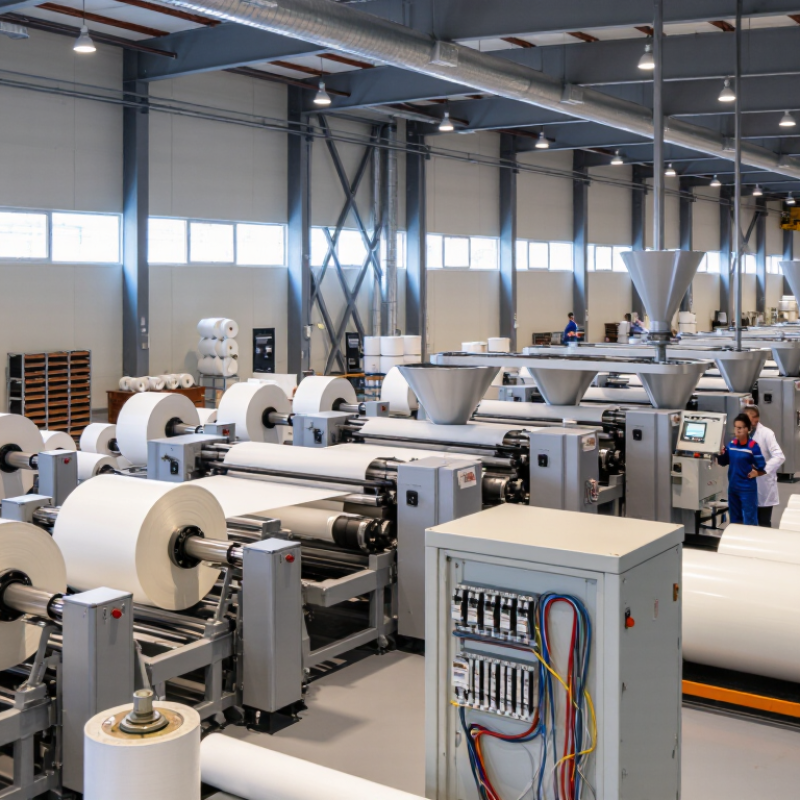
A spunbonding nonwoven machine converts thermoplastic polymer into continuous fibers and forms them into fabric. Polypropylene is common, while polyester suits selected technical applications. The process starts with polymer pellets entering a heated extruder. Controlled melting matters because unstable temperature can create weak fibers or uneven surfaces.
The molten polymer passes through a spinneret with many small openings. Quenching air cools the emerging filaments. High-speed air then stretches them, reducing their diameter and improving strength. A moving conveyor collects the fibers into a loose web. Thermal calendering bonds the layers with patterned rollers. The final fabric may feel soft, firm, breathable, or dense, depending on settings.
Small adjustments change the result. Noticeable differences can appear after changing line speed by only a few meters per minute. Operators monitor temperature, air pressure, web weight, bonding pressure, and fabric width. Clean filters and stable feeding systems also protect production consistency. A machine’s brochure rarely explains every maintenance burden. That part deserves careful questioning. Reliable suppliers should provide test data, operating guidance, spare-part support, and clear safety documentation. Buyers should inspect trial fabric, not only polished samples. Even experienced teams can misjudge a line when humidity, polymer quality, or workshop airflow changes. Performance is practical, measurable, and sometimes less predictable than expected.
How Spunbonding Nonwoven Machines Work
China Top 10 Spunbonding Nonwoven Machine Suppliers
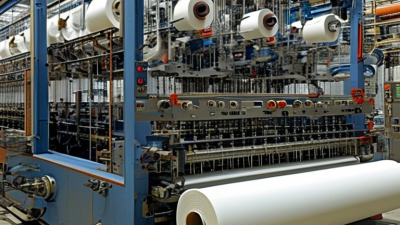
A spunbonding nonwoven machine turns polymer pellets into a continuous fabric web. The process begins inside a heated extruder, where pellets melt and become a controlled polymer flow. A metering pump pushes this melt through a spinneret containing hundreds of tiny openings. The melt is unforgiving.
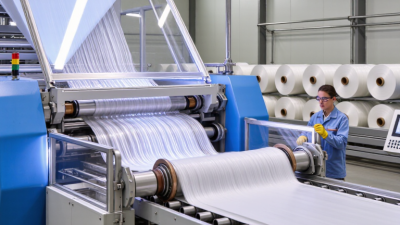
Freshly formed filaments pass through quenching air, which cools and stabilizes them. Drawing airflow stretches the filaments, improving strength and reducing uneven thickness. A moving collector then spreads the filaments into a loose web. Thermal calender rollers bond the web with pressure and heat. Roller temperature, line speed, and pressure must stay balanced. Too much heat can flatten the fabric. Too little heat can cause weak bonding.
From practical machine evaluations, operators should inspect melt pressure, airflow distribution, spinneret cleanliness, and web weight regularly. Small changes can create visible streaks across the roll. Online sensors improve control, but they do not replace trained observation. In real production, settings rarely behave perfectly after material changes or maintenance. This is where supplier engineering support, clear manuals, spare-part access, and documented testing become important. A reliable supplier should explain energy use, output limits, maintenance intervals, and acceptance standards without hiding difficult details. Trial data matters more than impressive capacity figures.
Key Features of China’s Leading Machine Suppliers
China’s leading spunbonding nonwoven machine suppliers compete through engineering depth, not attractive brochures. Their lines often combine precise polymer dosing, stable spinning beams, and servo-controlled web forming. These features help maintain fabric weight across long production runs. Operators also value touchscreen controls with clear alarms and stored recipes. Small details matter. A readable alarm can prevent hours of downtime.
Experienced suppliers usually offer flexible configurations for medical, hygiene, agricultural, and industrial fabrics. They may adjust die width, nozzle design, cooling airflow, and winding systems for different output targets. Energy monitoring is another important feature. Efficient heaters and variable-speed drives can reduce operating costs without weakening production stability. However, higher speed is not always better. Excessive speed may create uneven bonding or fragile edges.
Reliable suppliers support their claims with factory testing, material samples, and documented inspection records. Buyers should review line tolerances, spare-part availability, installation procedures, and operator training before signing an order. Quality systems such as ISO-based production controls can improve consistency, but certification alone proves little. A factory visit can reveal more: clean cable routing, labeled piping, guarded moving parts, and technicians who explain problems clearly. Remote support is useful, though it cannot replace skilled maintenance on the production floor. Some suppliers still understate commissioning time, so a realistic schedule deserves careful questioning. Even advanced equipment needs adjustment during its first weeks.
China’s Top 10 Spunbonding Nonwoven Machine Suppliers
China’s Top 10 Spunbonding Nonwoven Machine Suppliers
China’s top 10 spunbonding nonwoven machine suppliers are often judged by more than sales claims. In practical sourcing work, engineers should inspect output stability, energy use, and maintenance access. A reliable line should produce even webs at target speeds. Operators also need clear control panels and safe working spaces.
Technical checks matter. Review polymer compatibility, die design, filament drawing, web-forming accuracy, and calender pressure control. Ask for production samples using similar raw materials. Examine basis-weight variation across the full fabric width. Small differences can affect medical gowns, hygiene products, and agricultural fabrics.
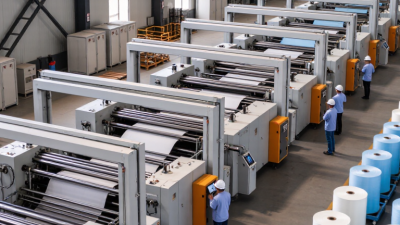
Factory visits provide useful evidence. Watch a trial run, inspect spare-part storage, and speak with service technicians. Request installation records, training plans, warranty terms, and customer references. Electrical systems should meet the buyer’s local requirements. Documentation should be complete and understandable.
Not every ranking is perfect. Supplier capacity can change after one large project. Some impressive machines may need longer adjustment periods than expected. This is where transparent testing helps. A serious supplier should explain limits, downtime risks, and realistic delivery schedules. Buyers should compare total operating costs, not only the initial quotation. A lower price may hide complicated maintenance or slow technical support.
China’s Top 10 Spunbonding Nonwoven Machine Suppliers
Reference comparison of commonly published spunbond line configurations in China’s supplier market
The chart compares typical spunbond production-line web widths with nominal output capacities reported in Chinese machinery catalogs. Wider lines generally support higher production volumes, while actual output depends on polymer type, basis weight, operating speed, and final product specifications. Supplier names and brand-specific figures are intentionally excluded.
How to Choose the Right Chinese Supplier
Choosing among China’s top ten spunbonding nonwoven machine suppliers requires more than comparing quotations. A low price can hide weaker heating controls, unstable web formation, or limited commissioning support. Ask for production records using your target polymer, fabric weight, width, and output. Request dated test videos, not polished showroom footage. An experienced supplier should explain line speed, energy use, filter changes, and expected downtime clearly. Their answers reveal practical knowledge.
Inspect the factory remotely or in person. Look at wire management, welding quality, electrical cabinets, spare-parts storage, and safety guards. Ask whether critical components are tested before shipment. Verify machine tolerances, warranty terms, installation scope, training hours, and response times. Independent references matter. Speak with two or three users running similar lines. Their maintenance experience after six months may matter more than a sales presentation. Compare the supplier’s drawings with your floor plan. Overlooked access space can become an expensive mistake.
Tips: Build a technical checklist before requesting prices. Include GSM range, fabric width, color changes, compressed-air needs, power standards, and acceptance-test criteria. Keep every promise in the contract. If a supplier avoids written details, pause. Still, no checklist is perfect. Leave room for trial adjustments, because fiber behavior may differ from laboratory samples. A small pilot run can expose problems early.
China Top 10 Spunbonding Nonwoven Machine Suppliers - How to Choose the Right Chinese Supplier
| Supplier Profile |
Machine Configuration |
Typical Web Width |
Typical Speed Range |
Typical GSM Range |
Compatible Materials |
Automation Level |
Typical Delivery Window |
Standard Warranty |
Key Verification Points |
| Profile 01 |
PP spunbond production line |
1.6–3.2 m |
350–500 m/min |
10–150 g/m² |
PP resin and masterbatch |
PLC-controlled; automatic tension control |
6–9 months |
12 months |
Run a sample trial and verify output stability |
| Profile 02 |
High-speed PP spunbond line |
2.4–4.2 m |
450–600 m/min |
9–120 g/m² |
PP resin, recycled PP subject to filtration |
Automatic dosing, winding and fault alarms |
7–10 months |
12 months |
Confirm speed at the required GSM, not at the minimum GSM |
| Profile 03 |
Compact spunbond production line |
1.6–2.6 m |
250–400 m/min |
12–160 g/m² |
PP resin |
Standard PLC and manual changeover |
5–8 months |
12 months |
Check floor area, utility load and operator requirements |
| Profile 04 |
Double-beam spunbond line |
2.4–4.8 m |
400–550 m/min |
10–180 g/m² |
PP resin and selected additive systems |
Automatic web guiding and recipe management |
8–12 months |
12–18 months |
Review beam uniformity data and long-run production records |
| Profile 05 |
Spunbond line for hygiene applications |
1.6–3.2 m |
300–500 m/min |
10–80 g/m² |
PP resin with hydrophilic or hydrophobic additives |
Inline basis-weight monitoring available |
6–10 months |
12 months |
Test softness, liquid strike-through and basis-weight consistency |
| Profile 06 |
Heavyweight spunbond line |
2.4–4.2 m |
250–450 m/min |
50–250 g/m² |
PP resin and UV-stabilized formulations |
Automatic winding with reinforced calender control |
7–11 months |
12 months |
Verify roll hardness, tensile strength and calender temperature control |
| Profile 07 |
Energy-efficient spunbond line |
1.6–3.2 m |
300–480 m/min |
10–150 g/m² |
PP resin |
Variable-frequency drives and energy monitoring |
6–9 months |
12 months |
Request measured power consumption per kilogram of fabric |
| Profile 08 |
Export-oriented modular line |
2.4–4.8 m |
350–550 m/min |
10–180 g/m² |
PP resin; optional recycled-content processing |
Remote diagnostics and modular controls |
8–12 months |
12–18 months |
Confirm spare-parts availability and remote-service response time |
| Profile 09 |
Multi-purpose spunbond line |
1.6–4.2 m |
300–500 m/min |
10–200 g/m² |
PP resin and application-specific additives |
Recipe control with quick product changeover |
7–10 months |
12 months |
Evaluate changeover time, waste rate and product repeatability |
| Profile 10 |
Custom-engineered spunbond line |
Designed to order |
Project-specific |
Project-specific |
PP and other polymers subject to engineering review |
Tailored automation and production monitoring |
9–14 months |
12–24 months |
Require a signed technical specification, acceptance criteria and penalties |
The figures above are typical industry specification ranges rather than company-specific claims. Before purchasing, compare audited production references, machine acceptance-test results, actual energy consumption, spare-parts support, safety documentation, installation scope and after-sales service terms.