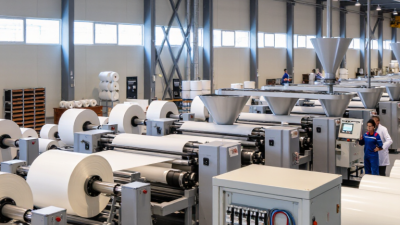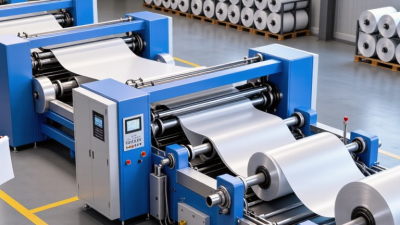
Choosing an Ss Spun Bond Non Woven Machine in 2026 requires more than comparing price tags and production speed. The decision affects fabric uniformity, energy consumption, maintenance time, and long-term product quality. Smithers’ The Future of Nonwovens to 2029 identifies hygiene, filtration, medical, construction, and automotive applications as key demand areas. These sectors require different basis weights, tensile strengths, and bonding performance.
The machine must match the intended fabric, not merely the factory floor. A hygiene line may need stable high-speed output, precise web formation, and reliable online inspection. A filtration producer may prioritize fiber fineness, basis-weight control, and consistent air permeability. Grand View Research also reports continued growth in the global nonwoven fabrics market, supported by healthcare, infrastructure, and consumer applications. Numbers help. Specifications can mislead.
A practical evaluation should examine polymer compatibility, die design, spinning beam stability, drafting control, calender temperature accuracy, and automated fault detection. Ask suppliers for verified output data using the same raw material and fabric specification planned for production. Request energy consumption per kilogram, replacement-part availability, commissioning support, and operator-training records. These details often reveal more than a polished brochure.
No buying guide is perfect. Local electricity quality, climate, labor skills, and after-sales response can change the final result. A machine performing well in one region may need different filtration, cooling, or control settings elsewhere. This guide therefore combines market evidence with production experience, supplier verification, and realistic risk assessment. The right Ss Spun Bond Non Woven Machine should deliver dependable fabric every shift, not only impressive figures during a factory demonstration.
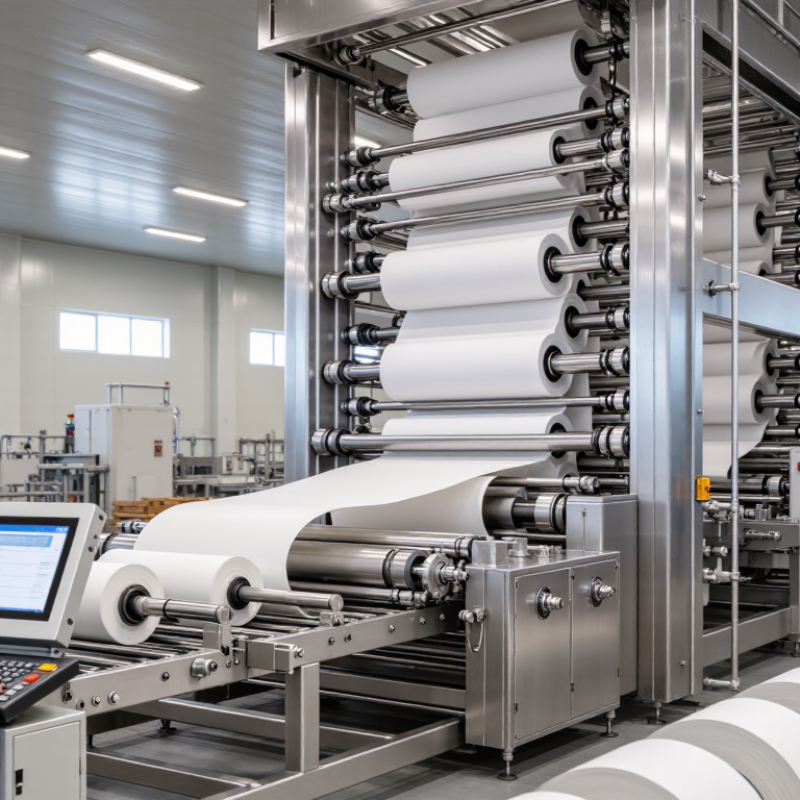
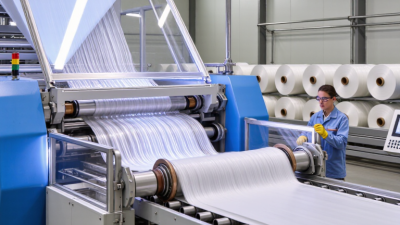
An SS spun bond non woven machine produces fabric through two spunbond layers. Polymer chips are melted, filtered, and pushed through hundreds of spinneret holes. The filaments are stretched by air, then placed on a moving forming belt. Two web-forming systems build the SS structure before thermal calendering bonds the layers.
This design can deliver stable strength, soft touch, and consistent weight. Operators usually adjust extrusion temperature, air pressure, belt speed, and calender temperature together. Small errors can create thin lines, uneven edges, or weak bonding. I have found that a clean spinneret matters as much as high output. It is easy to overlook.
EDANA and INDA reported global nonwoven production at about 13.8 million tonnes in 2023. Smithers also identifies hygiene, medical, filtration, and construction as major demand areas in its 2024 market analysis. These figures support continued interest in SS lines, but market forecasts can age poorly. A larger machine is not automatically better. In 2026, buyers should compare usable width, gram-weight range, energy consumption, filter-change time, and waste recovery. A line running at 500 meters per minute may still perform poorly if downtime is frequent.
Ask for verified production data, fabric samples, and measured power consumption before choosing.
Choosing an SS spun bond non woven machine in 2026 starts with a clear production definition. Record your target fabric width, GSM range, daily output, and operating hours. A machine designed for 3.2-meter rolls may be inefficient for narrow medical or packaging materials. State whether you need one continuous grade or frequent product changes. Changeovers affect labor, waste, and delivery schedules.
Material specifications require equal attention. Identify the polymer type, melt flow range, additive requirements, and filament strength targets. Also define color consistency, elongation, softness, and hydrostatic performance. For example, a 25 GSM fabric for shopping bags differs greatly from a 60 GSM fabric for protective covers. Ask for trial production using your actual resin. Test roll weight, web uniformity, tensile strength, and edge stability. Samples can expose problems that brochures hide.
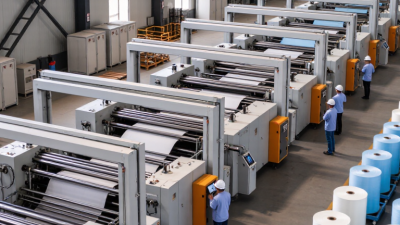
Do not estimate output from speed alone. Die width, cooling efficiency, suction control, and winding tension also matter. Leave enough floor space for maintenance access and finished-roll handling. Your electrical supply and filtration system must match the machine design. I have seen buyers focus on maximum speed, then struggle with unstable GSM at normal production rates. That mistake is expensive. A detailed requirement sheet helps, but it should remain flexible. Early assumptions may prove wrong after testing. Keep room for adjustment.
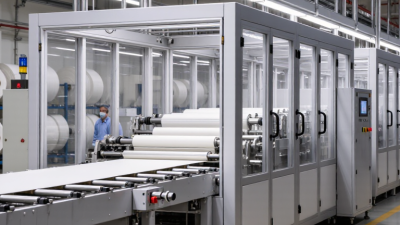
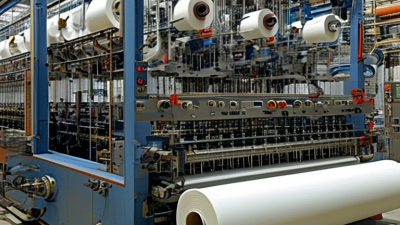
Machine structure should match your products, not only your floor space. An SS line uses two spunbond beams, allowing different polymer combinations and more control over fabric layering. Check the extruder design, spinneret alignment, web-forming system, calender pressure, and automatic tension control.
A stable line should keep basis-weight variation near ±3% during long production runs. Small deviations become visible on medical gowns, shopping bags, and filtration layers.
Output capacity must include usable output, not the headline speed. A 3.2-meter machine running at 450 meters per minute may produce less after start-up waste, maintenance, and grade changes. Smithers’ The Future of Nonwovens to 2028 projects continued global demand growth, with hygiene, construction, and filtration supporting investment.
That growth does not justify buying the largest machine. Electricity use, polymer loss, labor requirements, and spare-part availability affect the real payback.
I once compared machines by speed alone. That was too optimistic.
Product quality deserves measurable acceptance standards. Test GSM consistency, tensile strength, elongation, air permeability, surface uniformity, and roll hardness. The Grand View Research nonwoven fabrics market report estimated a global market value above 50 billion dollars in 2023, showing why consistent quality matters across export markets.
Ask for trial data using your polymer and target GSM. A clean web is essential. Yet, perfect samples can hide unstable production. Review at least eight hours of continuous output, including roll changes and speed adjustments.
Energy consumption should be measured during real production, not only at idle. Ask for kilowatt-hour data per kilogram of finished fabric. Check heater insulation, motor efficiency, and automatic temperature control. A stable line wastes less polymer and reduces rejected rolls. Request a trial using your expected material, width, and speed. Numbers from a showroom can mislead.
Automation should support operators, not confuse them. Look for touchscreen alarms, recipe storage, tension control, and automatic thickness adjustment. Remote access may help technicians, but it needs secure permissions and clear records. During a factory visit, watch an operator change specifications. Is the process clear? I have seen impressive interfaces slow production because basic faults were buried under complex menus.
Maintenance details often decide long-term value. Inspect filter access, lubrication points, sensor locations, and spare-part availability. Ask how quickly common components can be replaced. A ten-minute inspection should not require removing half the machine. Keep written service schedules and calibration records. This is often neglected.
Safety features deserve practical testing. Check emergency stops, guarded rollers, heat warnings, interlocks, and safe restart procedures. Operators should not reach near moving webs during routine clearing. Review risk assessments and local machine-safety requirements with qualified personnel. Training matters too. A well-designed guard cannot prevent unsafe habits. Leave room for improvement.
Evaluate Suppliers, Total Cost, Compliance, and Future Expansion
Choosing an SS spun bond non woven machine requires more than comparing quoted prices. A reliable supplier should provide clear technical drawings, production records, installation plans, and accessible spare parts. Ask for a live trial using your target polymer and fabric weight. Request measured output, energy use, defect rates, and changeover time. Ask for evidence.
Supplier evaluation should include factory inspections, technician availability, training quality, and response times. Speak with existing users, but verify their production conditions. A machine performing well at one site may struggle with your humidity, raw material, or operating schedule. I have seen buyers trust attractive demonstrations without checking maintenance access. That decision later increased downtime.
Calculate total cost over several years. Include freight, installation, utilities, molds, filters, labor, software updates, maintenance, and rejected rolls. A cheaper machine can become expensive when electricity consumption rises by only a few percent. It looked affordable. The spreadsheet said otherwise.
Compliance must cover machinery safety, electrical protection, workplace risks, emissions, and applicable textile requirements in your sales markets. Keep certificates, inspection records, and manuals in the contract file. Do not accept vague promises. Verify testing with qualified professionals.
Future expansion also matters. Check whether the frame supports additional beams, wider fabrics, automated winding, or online quality monitoring. Leave space for transformers, compressors, material storage, and service access. Expansion changes the calculation. A compact layout may save money today but restrict tomorrow’s production. This is where many evaluations need another review.