How to Choose the Best Spunbonding Nonwoven Machine?
Choosing the right Spunbonding Nonwoven Machine is critical for businesses in the nonwoven fabric industry. According to a report by Grand View Research, the global nonwoven fabric market is expected to reach $25.9 billion by 2027. This growth emphasizes the need for high-quality machinery that can enhance production efficiency.
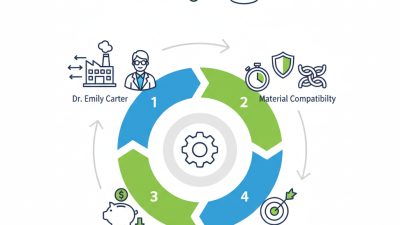
There are several factors to consider when selecting a Spunbonding Nonwoven Machine. For instance, production capacity, material compatibility, and energy efficiency play vital roles in determining the best fit for your operation. Industry insights suggest that machines with modular designs offer flexibility, allowing manufacturers to adapt quickly to market demands. However, understanding the machine's specifications can be overwhelming.
Despite the advancements in technology, not all machines perform equally. Some may fail to deliver the expected quality and output. It's essential to research suppliers and review user feedback. A thorough evaluation can help prevent costly mistakes in your investment. Remember, the right Spunbonding Nonwoven Machine can significantly influence your production success.
Understanding Spunbonding Nonwoven Technology
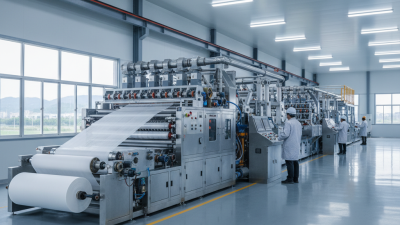
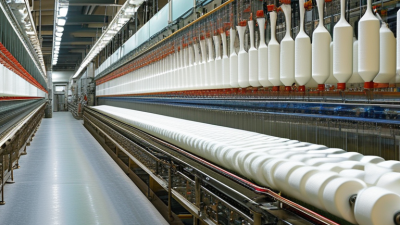
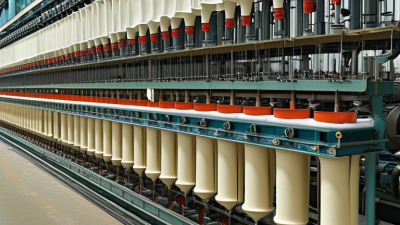
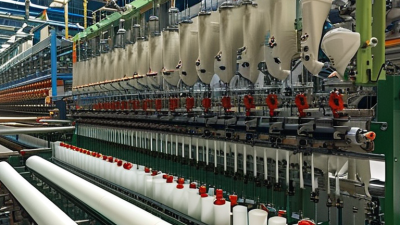
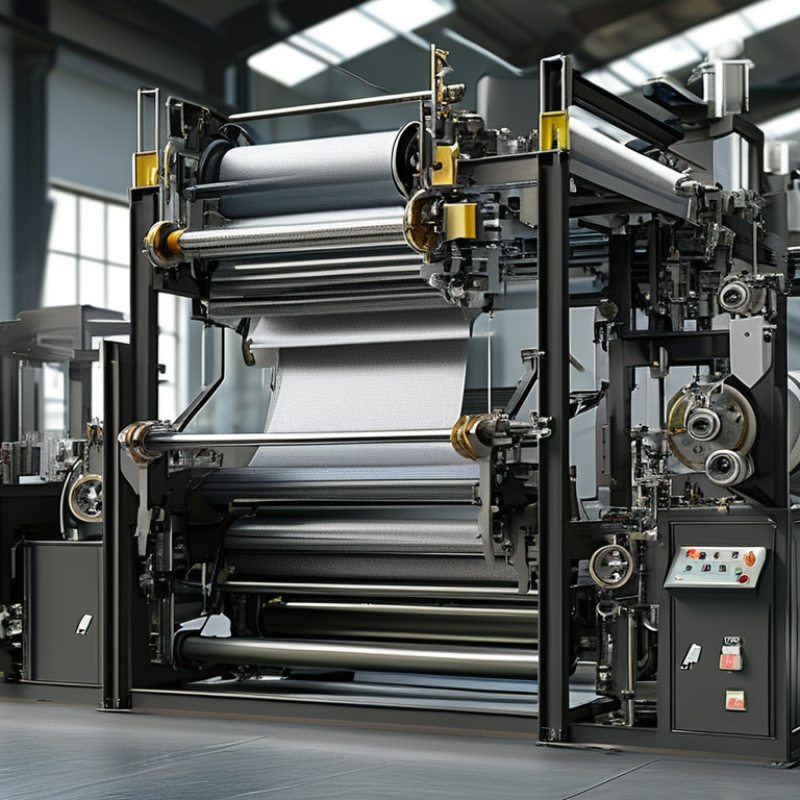
Spunbonding nonwoven technology plays a crucial role in various industries. This process involves the extrusion of molten polymer fibers. These fibers are then laid down randomly or in a specific pattern, creating a strong fabric. What makes spunbonding unique is its ability to produce lightweight and durable materials. These materials are used in applications from hygiene products to geotextiles.
When assessing spunbonding technology, consider specific characteristics. Fiber diameter, density, and production speed significantly influence the final product. A machine's ability to control these factors ensures high-quality output. Operators need training to manage these variables effectively. Mistakes can lead to variations in fabric quality. It's important to understand the relationships between machine settings and material properties.
There can also be challenges. For instance, maintaining consistent temperature is crucial for perfect fiber formation. If the temperature fluctuates, it may cause defects. Additionally, the choice of polymer affects the final fabric's properties. Operators should remain vigilant and adapt to changes in material quality. Continuous improvement is necessary in this evolving field. Understanding the intricacies of spunbonding can lead to better decision-making and more reliable production outcomes.
Key Features to Consider in Nonwoven Machines
Choosing the right spunbonding nonwoven machine involves understanding its key features. One significant aspect to consider is production speed. Machines that operate faster can handle higher volumes, but speed shouldn't compromise quality. It’s essential to assess your production requirements first.
Material compatibility also plays a crucial role. Different nonwoven fabrics require specific machinery. Ensure the machine can work with the types of polymer you're using, whether it's polypropylene or polyester. Test runs can reveal if adjustments are needed for optimal performance.
Maintenance is a factor often overlooked. A reliable machine requires regular upkeep to function smoothly. It's wise to analyze maintenance requirements before purchasing. Look for machines that offer easy access to critical components. This reduces downtime and helps maintain production efficiency.
Regular consultation with industry experts can provide valuable insights. Engage with professionals who understand the nuances of nonwoven production. Their advice might uncover areas of improvement you hadn't considered. It’s important to ask questions and explore various options fully.
Types of Spunbonding Machines Available on the Market
When selecting a spunbonding nonwoven machine, it’s essential to know the different types available. Spunbonding machines can generally be categorized into dry and wet systems.
Dry spunbonding processes involve polymer melting and filament spinning. Wet systems, on the other hand, require additional steps, such as treating the fibers with a liquid medium. Both approaches have unique advantages, affecting the final product's properties.
Additionally, consider the production capacity of each machine. Different models can produce varying widths and weights of fabric. Some machines offer higher speeds but may compromise on fiber uniformity.
Others focus on delivering high-quality, consistent fabrics at a slower pace. Choosing the right balance is crucial for efficiency and quality in production.
A key area to reflect upon is the maintenance of these machines. Regular upkeep can ensure reliability and longevity. Ignoring this aspect may lead to disruptions in production.
It’s vital to research specifications carefully and assess your long-term needs. Consider the learning curve associated with operating new technology. This can affect both output and workforce training requirements.
Evaluating Machine Performance and Efficiency Metrics
When considering a spunbonding nonwoven machine, evaluating machine performance is crucial. Start by looking at production speed. A higher speed often indicates better efficiency, but it should not compromise product quality. Machines vary widely, so benchmark against industry standards. Pay attention to output consistency, as fluctuations can affect your overall production line.
Next, assess energy consumption. Efficient machines use less power while maintaining output. This aspect is often overlooked during the selection process. Reduced energy costs can significantly affect profitability. Monitor the metrics over time to ensure you're not just getting high performance initially.
Don't forget about maintenance needs. Regular upkeep is essential for sustaining productivity. Machines that require frequent repairs can lead to expensive downtimes. Consider how easy it is to get parts and service. Sometimes, a less advanced model may prove more reliable in the long run, offering peace of mind. Reflect on your production goals and long-term needs. Efficiency should always align with your operational strategy.
Budget and Cost Considerations for Nonwoven Machinery
When selecting a spunbonding nonwoven machine, budget and cost considerations are crucial. Investing in new machinery requires a clear understanding of operational expenses. Reports indicate that the total cost of ownership can exceed $300,000 for high-capacity machines. This figure includes initial purchase costs, maintenance, and energy usage. It's important to evaluate not just the upfront price but also these ongoing expenses.
While quality matters, optimizing your budget is essential. A study by the Nonwovens Innovation and Research Institute found that manufacturers often underestimate the impact of energy consumption. Machines that are energy-efficient may have a higher initial price, yet they reduce long-term operational costs. Consider calculating return on investment over several years to guide your choice.
Balancing quality and cost is challenging. Entry-level machines might seem cost-effective, but they can incur higher maintenance fees. A common issue is the trade-off between speed and durability. Slower machines can be less expensive but may not meet production demands. Assess the capacity required for your operations and align it with your budget constraints. This reflects the importance of thorough research and realistic financial planning.